
When considering different storage options for the garage, it is essential to consider the air circulation and ventilation as a whole to guarantee a safe and healthy atmosphere. In addition to storage, many people use their garages as work rooms or even as recreational places. To prevent problems like stale air, unpleasant smells, and the accumulation of toxic gases, proper ventilation is crucial. It is essential to think about how storage options could affect the garage’s airflow as a whole before installing them.
Keeping passages open for air circulation is one successful tactic. To keep air moving freely, avoid putting storage units in a manner that blocks windows or doors. Keep air ducts and vents clear so that air can flow freely. In order to improve the air quality in the garage and decrease the concentration of pollutants, it is recommended to install exhaust fans or ventilation systems.
Another thing to think about is finding storage options that have ventilation already installed. To allow air to circulate, the designers of some storage units have included perforations or mesh panels. In addition to improving air circulation within the storage compartments, this design aids in preventing the formation of dust and musty odours. It is crucial to store chemicals and paints, which produce fumes, in cabinets with good ventilation or in a specific space with enough airflow to avoid the accumulation of dangerous gases.
Cleaning and dusting the garage on a regular basis is crucial for maintaining proper airflow. Accumulated dust and dirt in storage spaces can degrade air quality and put people at risk for respiratory problems. Making one’s garage a healthier and more pleasant place to spend time is possible through strategic storage arrangement, careful planning of one’s ventilation system, and the use of storage solutions that incorporate airflow features.
How Are the Various Forms of Ventilation Classified?
Inactive Airflow
An open door, a duct leading to a roof vent, or a hole in the wall could all be examples of passive ventilation. All of these alternatives share a commonality: they are completely powerless. The term “passive ventilation” refers to a method of cleaning your garage that does not actively use fans or other mechanical devices to eliminate odours and pollutants. This can also involve opening a door or window to let air in, although we probably shouldn’t do it when we’re not there.
Activated Breathing
To mechanically remove or recirculate air, active ventilation employs a fan. An open window with a box fan or a ducted exhaust fan equipped with a humidity sensor are two examples of how this can be done. Included in this category are turbine ventilators, which draw air in via ducts when a wind blows through the turbine. Among the better possibilities, these systems can move more air faster and are more consistent than passive ones. Nevertheless, they may necessitate upkeep and come with a higher initial cost.
Think About This
An important thing to keep in mind is that passive vents basically involve cutting a hole in your roof or wall. When the fan is running, the louvres in the vents are pushed open, and when the fan is turned off, the louvres are dropped closed, creating an active system. Having closable louvres in your garage can assist you retain a portion of the heated or cooled air.
Where To Install A Garage Vent
If you want to get the most out of your vent and get those fumes out of your garage, put it as near to the source as you can. To further ensure that fumes are diverted away from any potential weak points in the air seal between your home and garage, it is recommended to place the vent further away from any entrance that leads to your residence.
Air Circulating Through The Walls
As one might expect, this is the spot where a passive or mechanical vent breaks through a wall on the outside. Because of its proximity to the ground and reduced susceptibility to issues like leaks, it is simpler to install and maintain.
A/C On The Roof
Depending on the situation, roof vents can be either ducted from the ceiling to the roof or installed directly through the roof in cases where there is no ceiling. Avoid doing things like putting a vent in the garage ceiling and another in the roof without connecting them with ductwork. Fumes from this can build up in your attic and cause problems down the road. Although roof vents can be less unsightly and cleaner, they are nonetheless vulnerable to leaks and more difficult to repair due to their inaccessibility.
Carport Air Vents
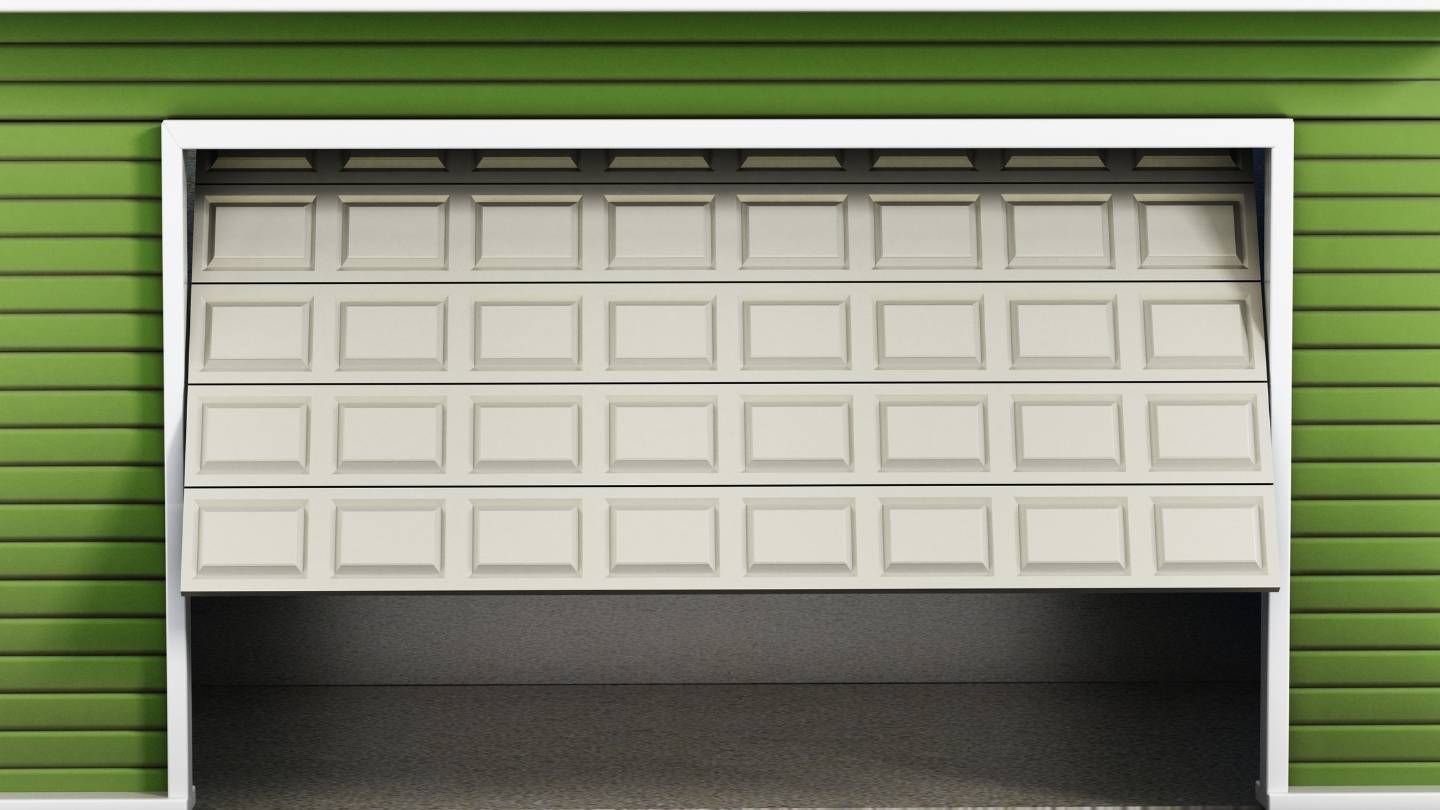
With the help of kits sold at big-box retailers and online, cutting out and inserting vents into your garage door is a breeze. Typically, these are unobtrusive.
FAQs About Garage Storage
What Are The Key Benefits Of Installing A Garage Storage System?
Garage storage systems offer several benefits, including maximizing space utilization, providing organized storage for tools and equipment, and enhancing the overall functionality of the garage. They help create a clutter-free environment, making it easier to find items and maintain a well-organized space.
How Do I Determine The Right Garage Storage System For My Needs?
Choosing the right garage storage system depends on factors such as the available space, the types of items you need to store, and your specific organizational preferences. Consider wall-mounted shelves, cabinets, pegboards, or overhead racks based on the items you have, whether they are tools, sports equipment, or seasonal items.
Can I Install A Garage Storage System Myself, Or Should I Hire A Professional?
Many garage storage systems are designed for easy installation, and DIY options are available. If you’re comfortable with basic tools and follow the instructions provided, you may be able to install the system yourself. However, for more complex installations or if you prefer professional assistance, hiring a professional installer ensures proper setup and optimization of the storage system.
How Can I Make The Most Of Vertical Space In My Garage Using A Storage System?
Utilizing vertical space is crucial for efficient garage storage. Consider installing wall-mounted shelves, cabinets, or pegboards to keep items off the floor. Overhead storage racks or platforms are excellent for bulkier items or seasonal storage. This approach maximizes floor space and creates a visually organized garage environment.
Are Garage Storage Systems Customizable To Accommodate Specific Items And Tools?
Yes, many garage storage systems are customizable to accommodate specific items and tools. Modular systems often allow you to adjust shelf heights, add hooks or brackets, and create a configuration that suits your storage needs. Some systems also offer accessories like baskets, bins, or specialized racks designed for specific tools, ensuring a tailored storage solution.
Garage Ventilation Options
Now that you understand the need of garage ventilation, you can move on to finding the most effective approach. Feel free to give these a shot.
Install Roof Vents
Installing a ridge vent is one method to enhance the ventilation level in a shed or garage. The ridge or peak of your garage roof is the typical location for this sort of exhaust vent, which is among the most frequent. A ridge vent is a ventilation device that allows heated air to escape and cool air to enter a system.
The gable vent goes another category. You may see this one peeking out from under the garage roof when you have a gable roof. Because hot air rises, this ventilation design allows it to escape from the building. Keep in mind that the gable vents in your garage need room to breathe, so don’t pile anything there.
Open Windows To Let In Natural Air
An easy and common technique to let in fresh air and escape stifling heat is to open the windows. Their primary downside, though, is in warmer climates. You should probably go with an alternative since leaving the windows open could make the inside hotter and more humid.
Make Use Of Doors To Facilitate Airflow
There is also the option of opening the garage door, which is a fast and easy way to let air into the garage. Similar to windows, doors don’t perform as well as other choices. Also, depending on your location, it could be a security concern to leave doors and windows open.
Set Up The Exhaust Fans.
Any garage would benefit from exhaust fans as a means of ventilation. Additionally, they facilitate the expulsion of gases and pollutants, such as carbon monoxide (CO), and aid in maintaining comfortable interior temperatures. Particularly in linked garages, where carbon monoxide fumes from vehicles idling inside the house can contaminate the air, this is of the utmost importance.
Properly positioning exhaust fans in your garage means positioning them high on a wall or ceiling, far from any entrances into your home.
Install Both Floor And Ceiling Fans.
You can also have floor or ceiling fans specifically designed for garages, in addition to exhaust fans. You can find these fans in a range of sizes, making them ideal for garages with two cars or more. For those hot days when you want to spend a lot of time relaxing in the garage, floor and ceiling fans can also provide a refreshing breeze.
Install A Window Air Conditioner Window Air Conditioners
Since its primary function is to reduce room temperature, air conditioners aren’t usually considered while thinking about ventilation choices. Cooler air in the garage, on the other hand, helps cut down on airborne dust and pollen and prevents mould growth by lowering humidity levels.
Why Garage Ventilation Is Important
Keeping the garage door well-ventilated has many advantages. A couple of these advantages are a way for hot air to escape during the summer and a way for exhaust fumes from cars to escape.
Entrapment in the toxic fumes produced by vehicles and other machinery is risky business. A place to sell them is necessary. Similarly, your home’s interior temperature may rise if you let the heat build up in your garage throughout the summer.
Installation Of A Fan
An exhaust fan, which can be found in most stores, can be set up. A self-installation kit is typically included with exhaust fans, so the installation process isn’t too difficult. In the event that you are still experiencing problems, you can seek assistance from a garage door company in Flower Mound.
Keeping Warm
For optimal ventilation in your garage, consider using paper-backed batt insulation. This insulation eliminates the need to build ceiling wallboard, should you so desire. It won’t have anything to do with ventilation per se, but it will lessen the likelihood that you’ll need to find an alternative.
Plant Trees
If you want to keep your garage cool and shaded from the sun, planting some trees near your garage is a good idea. When it’s hot outside, trees provide welcome shade. Trees can damage your home’s foundation if planted too close to the garage, so be careful not to put any large trees there. It is recommended to keep a sufficient distance.
Operating Systems
In order to get windows put, you should contact a local garage door provider. Installing windows in your garage is a fantastic way to let fresh air in. In most cases, garages lack windows, which might make it difficult to receive enough air. Instead of having plain glass on your windows, you can go for frosted glass if you value your privacy.
Make Use Of Vents
You may alleviate the heat and odours in your garage by installing vents. As a result, the garage will have more natural ventilation. While most individuals would rather not build vents because they are afraid animals or outsiders might get in, a turbine can block these vents and prevent anyone from getting in.
Conclusion
When choosing storage solutions for your garage, it’s crucial to consider air circulation and ventilation to ensure a safe and healthy atmosphere. Proper ventilation is essential for preventing stale air, unpleasant smells, and toxic gas accumulation. To improve air quality, consider keeping passages open, avoiding obstructions like windows or doors, and keeping air ducts and vents clear. Installing exhaust fans or ventilation systems can also improve air quality.
Some storage units have ventilation features, such as perforations or mesh panels, which prevent dust and musty odours. Regular cleaning and dusting are essential for maintaining proper airflow. There are various forms of ventilation, including passive, active, and closable vents. Passive ventilation involves cutting holes in the roof or wall, while active ventilation uses fans to remove or recirculate air.
To install a garage vent, place it near the source and away from any entrance that leads to your home. Air circulating through the walls is easier to install and maintain due to its proximity to the ground and reduced susceptibility to issues like leaks. Roof vents can be ducted from the ceiling to the roof or installed directly through the roof, but they are vulnerable to leaks and more difficult to repair due to their inaccessibility.
Carport air vents can be easily installed using kits sold at big-box retailers and online. By understanding the importance of garage ventilation, you can find the most effective approach for your garage.
To improve ventilation in a shed or garage, consider installing roof vents, gable vents, and opening windows to let in natural air. Open garage doors for easy airflow but may pose security concerns. Install exhaust fans to expel gases and pollutants, especially in linked garages where carbon monoxide fumes can contaminate the air. Position fans high on walls or ceilings, away from home entrances.
Install floor and ceiling fans specifically designed for garages to provide a refreshing breeze. Consider installing window air conditioners to reduce room temperature and prevent mold growth. Garage ventilation is crucial for escaping hot air during the summer and exhaust fumes from cars. Use paper-backed batt insulation to keep the garage cool and shaded from the sun. Plant trees near the garage to provide shade but avoid damaging the home’s foundation.
Install windows to let fresh air in and opt for frosted glass for privacy. Use vents to alleviate heat and odours in the garage, and consider using a turbine to block vents and prevent entry. Keeping garage doors well-ventilated can help prevent toxic fumes and increase the interior temperature.