
Shelving serves many purposes in the ever-changing world of modern office design, not the least of which is storage. To make a workstation that is both useful and aesthetically beautiful, it is essential to incorporate shelving ideas that are both.
This talk will shed light on important factors that go into making workspaces that are both inspiring and efficient, including flexible shelf systems, materials, colours, and the incorporation of technology. Come explore with us the science and art of creating shelving designs that enhance the contemporary workplace through case studies, ecological concerns, and inventive solutions.
Balancing Functionality And Aesthetics In Office Design
Striking a balance between form and function is essential in office design. In addition to making a good first impression, a well-designed office boosts morale and efficiency. Finding that sweet spot between form and function in workplace design is the topic of this blog.
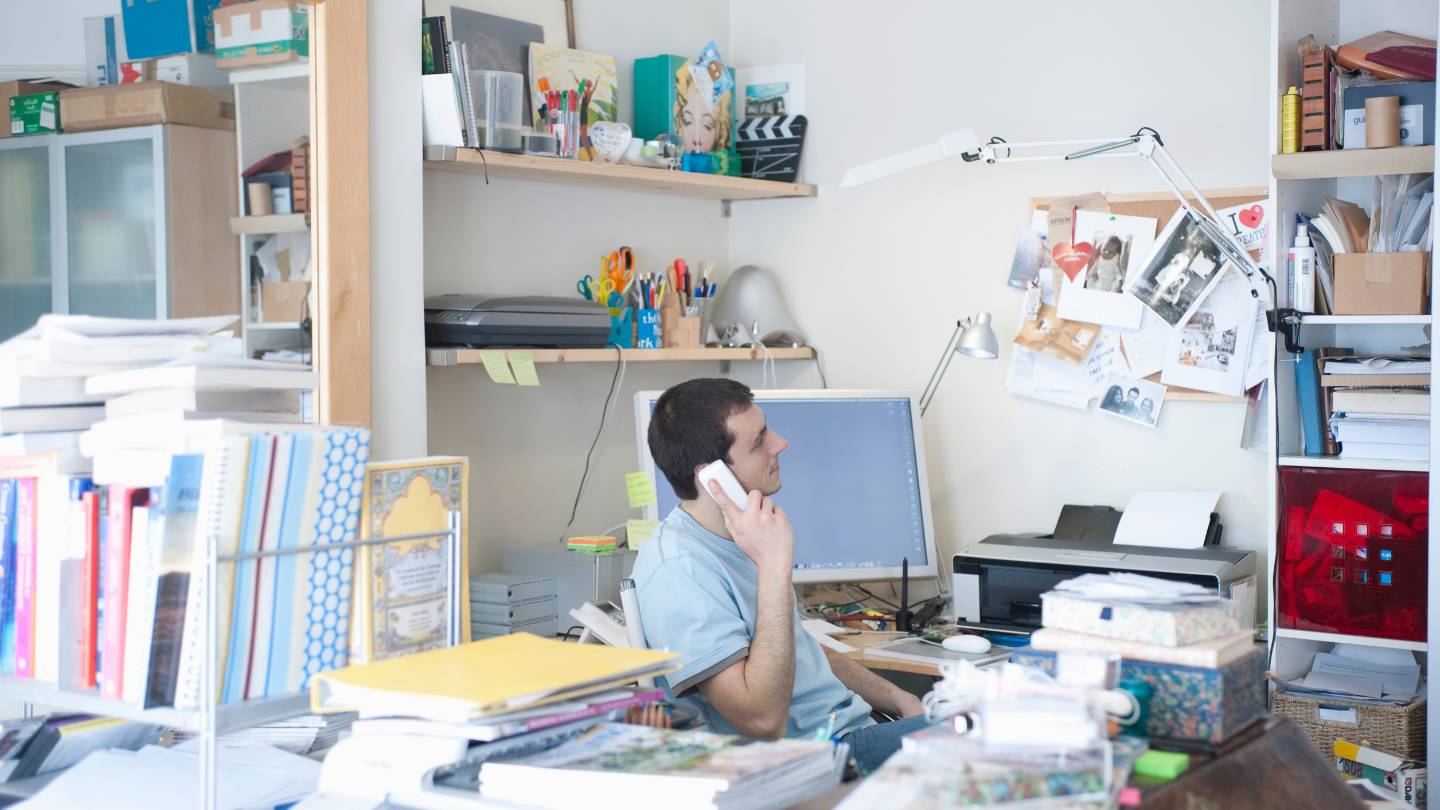
Functionality Should Be The Priority
When planning an office layout, practicality must always take precedence. Creating a space that is both productive and inspiring is an important part of any practical office design.
Choose The Right Furniture
It is critical to furnish your office with the correct furnishings. Choose pieces of furniture that are as comfy as they are practical. Your employees’ physical well-being should be prioritised while designing the furniture.
Optimise The Space
Creating a well-organised and effective workspace that maximises the utilisation of available space is what office space optimisation is all about. The goal should be to make the most efficient use of space while also providing a pleasant environment for workers.
Use Color Psychology
When planning an office’s layout, colour is one factor to consider. The colours you choose should inspire originality and drive results. Consider the relaxing and focusing effects of blue and green, as well as the energising effects of yellow and orange.
Incorporate Natural Elements
Offices that incorporate natural elements, such as plants, light, and water features, tend to have a more pleasing look. They can also boost morale and productivity, which is good for workers.
Keep It Simple
Your office environment should be designed to be simple and tidy. Staff health and productivity are directly correlated to the degree to which this fosters an atmosphere free of anxiety and tension.
Emphasise Branding
Your workplace ought to be an extension of your brand. Incorporating your brand’s colours and logo into the office’s design is one way to accomplish this. On top of making the room more aesthetically pleasing, this also helps to solidify people’s perceptions of your brand.
Importance Of Shelving In Office Spaces
Increased Organisation
Storage shelves’ capacity to aid businesses in the organisation of tangible goods is one of its primary advantages. Having well-organised shelves is essential for every business, as they allow you to keep track of all the necessary documents, shipping supplies, medical equipment, books, and more. You understand the importance of having easy and rapid access to what you need if you’ve ever had to dig through disorganised paperwork or search a large warehouse for a certain piece of equipment.
Better Efficiency
As soon as an employee has to waste ten minutes aimlessly searching for something, that’s ten minutes they can’t put towards more productive tasks. Wall shelves that are well-organised allow workers to discover what they need fast and easily, which in turn helps the work flow smoothly.
Space Optimisation
When it comes to renting out storage space or protecting important warehouse square feet, space equals money, particularly for corporations. With storage shelves, companies may make the most of all available space, even the vertical ones, to save their most valuable possessions. Improving workplace traffic flow and freeing up floor space can be achieved by installing storage cabinets with shelves.
Limits Item Loss
Shelves provide a home for all of a company’s priceless possessions. Things are not only more easily located, but they are also less likely to go missing, thanks to this. Everything your workers need to complete their jobs will be easily accessible rather than stowed away in a dark recess or forgotten in a drawer. All of your tools will be more visible and easy to reach with storage shelving units.
Keeps Items More Secure
Accidental damage to costly company property might occur if things are left in the wrong spot. For instance, crucial documents stashed in a dark, damp spot may attract mildew or perhaps the jaws of an inquisitive animal. Danger lurks when tools are haphazardly stashed on an unstable surface, such as a table or countertop. Metal storage shelves provide a sturdy and secure environment for storing goods.
Easy To Assemble
No need to fret; the majority of shelving units are sold in pieces. They usually take little time and effort to put together. Putting them together won’t necessitate any high-tech equipment or a degree in translation. Surprisingly, the sort of shelving you bought can dictate that all that’s needed for installation is rivets.
You and your crew can usually put together your shelves the very same day they come. Enquire with your service person about the possibility of having your shelves assembled either as part of your order or as an additional service if you are uneasy about it.
Versatility
You may easily adjust your storage racks to accommodate the changing needs of your business. As an example, you can store a range of products on various shelving units’ adjustable shelves. You can expand the unit’s size by adding more shelves as your storage demands increase. Lastly, if you frequently rearrange your workplace space, you’ll appreciate the portability of rolling shelves, which include storage cabinets with shelves.
Durability
Replacing broken company equipment may be an expensive ordeal that disrupts regular workplace operations. Metal storage shelves are only one of several types of storage shelves that can withstand the test of time. These shelf units can withstand extremes of temperature and weight. Invest in sturdy shelving units if you value the longevity of your equipment.
Increased Worker Safety
Your employees’ safety is in jeopardy in a disorganised office or warehouse. There is a high risk of injury due to tripping over dropped tools or falling boxes on workers. A more secure workplace is a more organised one, and storage shelves are a great way to do just that. The purchase of storage shelves will be more than justified if they can avert just one accident.
Increased Productivity
Your staff will be more efficient when they can find what they need quickly and easily among the well-organised storage shelves in your company. Your staff will be free to concentrate on more strategic tasks that will bring in more money for your business instead of wasting time looking for paperwork, stumbling over machinery, or storing unnecessary boxes in a corner. Shelves for storing goods are an inexpensive way to radically improve your company’s efficiency.
Functional Shelving Solutions
Wall-Mounted Cabinets
These clever ideas keep things off the floor in a way that doesn’t sacrifice style. Simple and elegant, wall-mounted cabinets are the way to go for storing anything from books and office supplies to additional towels.
Hidden Storage
For those seeking even more clandestine storage options, hidden compartments are a necessity. Disguised drawers and concealed shelves are only two examples of the many unusual locations where you could find hidden storage. One solution is to use under-the-bed boxes or stylish storage ottomans to conceal frequently used goods while still allowing easy access to them.
Statement Shelving
Why not show off your collection of books, trinkets, and other intriguing knickknacks in a manner that complements their attractiveness? Adding statement shelving to your room is a great way to display your personal style while also maximising storage space. To draw the eye and make a statement, go for options with interesting forms, hues, and textures. Or, for a more eclectic look, try combining shelves of several sizes and styles.
Decorative Trunks
While also serving as decorative accents, these items can provide a functional means of organisation. Extra blankets, linens, novels, and magazines can all be found in a decorative trunk. Try to find designs that use bright colours or patterns or paint them to make them uniquely yours. Or, put another way, this storage solution may spruce up any room with its retro flair!
Vertical Planters
Those who are short on square footage will adore these space-saving marvels. Vertical planters, whether hung from the ceiling or mounted on the wall, are a great way to inject some life and greenery into any space. They are available in a wide range of styles and materials, and some even include shelves or pockets for stowing away little things like jewellery or keys.
Plant Stands With Storage
Decorative and practical, plant stands let you show off your green thumb while keeping all of your gardening accoutrements within easy reach. To get the most out of your storage space, look for stands that include shelves or drawers.
Floating Shelves
A great approach to making the most of wall space and maintaining a clutter-free area is with these basic yet efficient shelves. In addition to being simple to set up, they offer a practical storage solution for all of your go-to items. Think about putting them in a strategic spot at your entrance or all around your home office.
Command Centers
This multipurpose organiser gives you a place to put all your calendars, schedules, and other critical documents. Your schedule and list of things to do can be better managed with a well-planned command centre. To scribble down reminders and notes, you may make use of a blackboard or a dry-erase board. Additionally, you can enhance the organisation of documents and other materials by incorporating hanging folders or storage bins. For convenience, set this unit up in a kitchen or corridor that gets a lot of foot traffic.

Shelving’s Advantages
It is challenging for many people to locate suitable housing. Making the most of available space by arranging items in an orderly manner is of the utmost importance nowadays. In spite of this, shelf systems may be the best choice for houses, companies, and factories of varying sizes when it comes to storage and organisation.
Having more space on the floor is the best advantage of a shelving system. Their adaptability makes them suitable for use in both private and public settings. No matter what you need to store—books or big industrial goods—shelves will solve your storage problems. A wide variety of materials and styles are available for shelving, such as metal, plastic, and wood. Each of these racks serves an important purpose and has its own unique characteristics.
Many people’s mental image of shelving is of wooden shelves. The reason is that it can be made from sturdy, beautiful wood, which gives it strength, durability, and resilience. Therefore, these bookcases are considered essential furniture for many libraries across the globe.
Plastic shelves are great for displaying and storing light things, but that’s about all. These long-lasting shelves are versatile and perfect for a variety of spaces. Further, battery acid and other solvents are safe to use on plastic shelves when cleaning.
The longest-lasting and most versatile choice would be metal shelves. Consequently, they are widely utilised by several businesses in a wide range of industries. When compared to regular shelves, they are far more capacious and long-lasting.
Conclusion
This blog post talks about how important it is to balance usefulness and style when designing an office. It stresses the importance of being useful, having comfortable furniture, making good use of space, colour psychology, natural elements, keeping things simple, branding, and brand extension.
Businesses need shelving in their offices because it helps them organise physical items, work more efficiently, and make the best use of space. Shelves that are well-organized make it easy to find documents, shipping supplies, medical equipment, and books, which boosts efficiency. Putting in storage boxes with shelves makes the best use of space because they improve the flow of traffic in the workplace and free up floor space.
Shelves also help keep things from getting lost by giving valuable items a place to live making them easier to find and less likely to disappear. Metal shelves for storage make a stable and safe place to keep things. It doesn’t take long or much work to put them together, and you can get it done as part of your order or as an extra service.
Shelving is also useful because it can be used in different ways. You can easily change the size of your storage racks to meet the needs of your business as it grows or changes. For example, you can store a variety of goods on shelves that can be changed or on rolling shelves that can be easily moved as storage needs change. By taking these things into account when designing your office, you can make a well-thought-out place that not only looks good but also makes people happier and more productive.
Businesses and homes of all kinds need shelving systems because they offer a variety of storage options. They can last a long time, handle high and low temperatures and heavy loads, and make work safer. They also make workers more productive by making it easy for them to find what they need.
Wall-mounted cabinets, secret storage, statement shelving, decorative trunks, vertical planters, plant stands with storage, floating shelves, and command centres are all useful ways to organise your shelves. Wall-mounted shelves look good and keep things off the floor. Drawers and hidden shelves can be used for storage, and statement shelving lets you show off your style while making the most of your storage space. Decorative trunks are a good way to keep extra blankets, linens, books, and papers organised. Vertical pots bring life and greenery into rooms, and plant stands with storage make it easy to get gardening tools.
Floating shelves are great for entryways or home offices because they make the most of wall space and keep areas clear of junk. Command centres are places where important papers like calendars, schedules, and more can be kept and managed. They can be put up in places like kitchens or hallways where a lot of people walk by.
Shelving systems have many benefits, such as being flexible, long-lasting, and adaptable. People like wooden shelves because they are strong, durable, and flexible. Plastic shelves, on the other hand, can be used with a lot of different things and are safe to use with battery acid and cleaners. Metal shelves last the longest and can be used in most situations. Businesses in many fields use them. Overall, shelving systems are a quick and cheap way to make your workplace more organised and efficient.
Content Summary
- Shelving is a key element in modern office design, offering functional storage and aesthetic appeal.
- These designs focus on flexibility, material choices, colour schemes, and technology integration.
- Balancing form and function is crucial for a well-designed office that boosts morale and efficiency.
- Practicality should be the priority in office layout planning, aiming for productive and inspiring spaces.
- Choosing comfortable and practical furniture is essential for employee well-being.
- Office space optimisation maximises space use and creates a pleasant work environment.
- Colour psychology in office design can inspire creativity and drive results.
- Incorporating natural elements in offices enhances aesthetics and boosts morale and productivity.
- A simple and tidy office environment reduces anxiety and tension, promoting staff health and productivity.
- Office design should reflect the company’s brand through colours and logos.
- Shelving in offices aids in organising tangible goods like documents and supplies.
- Well-organized shelving improves efficiency by allowing quick and easy access to necessary items.
- Shelving optimises space, saving money and improving workplace traffic flow.
- Proper shelving limits item loss and ensures easy access to essential tools and documents.
- Shelving provides a secure storage environment, protecting items from accidental damage.
- Most shelving units are easy to assemble, requiring minimal tools and effort.
- Shelving is versatile, adjustable to changing business needs, and can be portable.
- Investing in durable shelving units ensures the longevity of company equipment.
- Organised storage shelves increase workplace safety by reducing tripping hazards.
- Efficient shelving organisation leads to increased productivity in the workplace.
- Wall-mounted cabinets offer stylish and space-efficient storage solutions.
- Hidden storage solutions like disguised drawers provide clandestine storage options.
- Statement shelving allows for the display of books and knickknacks in an attractive way.
- Decorative trunks serve as both functional storage and aesthetic elements in an office.
- Vertical planters are space-saving options for adding greenery to an office.
- Plant stands with storage combine decoration with practicality for gardening enthusiasts.
- Floating shelves maximise wall space and maintain a clutter-free area.
- Command centres in offices organise critical documents and schedules efficiently.
- Shelving systems are ideal for maximising floor space in various settings.
- Shelving comes in diverse materials like metal, plastic, and wood, each serving specific purposes.
- Wooden shelves are popular for their strength, durability, and aesthetic appeal.
- Plastic shelves are suitable for light items and are easy to clean with solvents.
- Metal shelves offer the greatest durability and versatility, preferred in many industries.
- Shelving enhances floor space availability, which is beneficial for both private and public spaces.
- Bookcases made of sturdy wood are essential in many libraries globally.
- The adaptability of shelving systems makes them suitable for a wide range of storage needs.
- Metal shelving units are capable of handling heavier loads and offer longevity.
- Shelving solutions can cater to specific storage requirements, from books to industrial goods.
- Choosing the right shelving material impacts its function and durability in the workplace.
- Shelving systems can be customised to fit the unique storage needs of any business.
- The efficiency of an office can be greatly enhanced by the strategic placement of shelving.
- Incorporating shelving into office design can transform underutilised spaces into productive areas.
- Effective shelving design contributes to a cleaner, more organised work environment.
- Modern shelving solutions can be integrated with technology for smarter storage.
- Eco-friendly shelving options align with contemporary ecological concerns.
- The installation of shelving units can be an opportunity for team collaboration and engagement.
- Customisable shelving options allow for flexibility in design and layout changes.
- The use of colour in shelving can contribute to the overall mood and energy of the office space.
- Shelving designs can be both a practical storage solution and a decorative feature in an office.
- The evolution of shelving design reflects the changing needs and trends in modern office environments.
Frequently Asked Questions
What Are The Benefits Of Adjustable Shelving Systems?
Adjustable shelving systems offer flexibility to adapt to changing office needs. They allow for easy customisation, enabling efficient storage of various items, and can accommodate evolving workspaces.
How Can Modular Shelving Units Enhance Office Spaces?
Modular shelving units enhance office spaces by providing versatility in arrangement. They allow for easy reconfiguration to meet specific storage requirements, making them ideal for maximising storage efficiency in limited areas.
Why Consider Built-in Shelving For Offices?
Built-in shelving integrates seamlessly with office architecture, offering a streamlined and cohesive look. It maximises storage without sacrificing floor space, contributing to a clean and organised office environment.
What Factors Should Be Considered When Choosing Materials For Office Shelving?
The material choice should balance durability and visual appeal. Common options include wood, metal, and glass. Each material has its unique characteristics, influencing both the aesthetics and functionality of the shelving.
How Can Technology Be Integrated Into Office Shelving Designs?
Technology integration involves incorporating features such as cable management solutions, accommodating smart office devices, and including built-in charging stations and power outlets to enhance functionality and convenience.