
Creating an organised and useful storage space requires effective labelling and categorisation of objects on garage shelves. Adopting best practices in this area improves the garage’s general cleanliness and aesthetic appeal, in addition to making it easier to locate individual objects. Using labels that are readable and clear is a basic tactic. Labels should be readable from a distance, whether they are printed or handwritten so that anyone entering the garage can instantly determine what is on each shelf.
Another important approach is classifying goods according to their purpose or use. Organising related objects in groups simplifies the storage system and makes it easier for users to find what they need. For example, setting aside distinct spaces for gardening materials, tools, and car accessories enables a sensible organisation that follows typical usage trends. This categorisation technique can be improved even further by using colour coding, which offers a visual indication that facilitates rapid identification. The whole storage arrangement becomes more user-friendly and adds an additional layer of organisation when distinct colours are assigned to different categories or types of goods.
For the labelling system to remain functional, regular maintenance is essential. Labels have to be updated when things are added or removed. This guarantees that the classification is correct and current. Regular evaluations of the complete labelling and classification system also enable modifications in response to changing storage requirements. Last but not least, making an inventory sheet gives a thorough rundown of everything kept on the garage shelves, enhancing the labelling system. Whether it is kept on paper or on digital media, an inventory list is a useful tool for managing and tracking items that are being stored. In general, following these best practices turns garage shelves into a neat, easily accessible area that increases productivity and reduces clutter.
Garage Organisation Is Essential For A Tidy Home
Keeping your garage structured is crucial to maintaining a tidy home. Despite the common misconception that the garage is dirty or resembles a big, messy shed, it can actually be quite helpful in keeping you organised in your home.
The reasons behind the importance of keeping your home garage organised are as follows:
- Maintaining a neat garage will provide you with more storage space. Longer-handled gardening tools, sporting goods, and other things you don’t keep in your home can be kept there. If you organise your belongings well and maximise the space you have, you may store more goods in your garage without taking up the entire area.
- Streamline item access | It’s important to know exactly where to search in your garage in case you need to find something. If you maintain your garage tidy, you can locate everything you need to find fast. If you do this, you’ll find that seeking such things will take less of your time and tension.
- Boost your safety | By keeping your garage organised, you can reduce the likelihood that you’ll trip over misplaced items, prevent similar accidents, and improve the safety of your family and guests.
- Boost visual appeal: A neat garage has much more visual appeal and pleasingness. Actually, since the organisation maximises available space and creates a neat, functional space, it plays a significant influence on a garage’s appearance.
- Reduce tension | A tidy garage can help reduce stress, just like a clean home can. Being engulfed by clutter and not having to search for things makes your garage feel cosier and calmer.
For the obvious reasons of utility, security, comfort, and even car preservation, organising your garage is crucial to maintaining a tidy home.

12 Label System Organising Tip Ideas
Being able to locate what you need when you need it is a drawback of owning stuff. Not only may you lose a lot of time looking for things, but it can also make you crazy! Label organisation can be useful. Here are a ton of clever and imaginative labelling suggestions and ideas from our field editors and readers.
Mania of the Label Makers
When I mistakenly labelled the drawers of our tool cabinet, I became addicted to my label maker. After that, I worked on our power strip, and I just couldn’t stop. The labelled light switches in our foyer are perplexing. The kitchenware we bring to communal meal gatherings is clearly marked with our surname. Stop me before I label the fuse box, grocery jars, power adapters, tools the neighbours borrow, file folders, and more!
Quick Labels for Parts Cabinets
You can see the screws or nails within plastic drawers, but you can’t always tell how big they are. This is a straightforward fix: Cut off the labels from the fastener boxes, then tape them inside the drawer fronts. At a look, you’ll know exactly where everything is.
Wrenches with Colour Coding
I mark the type of my wrenches using coloured vinyl tape. I encircle my metric wrench handles with a blue strip of tape and my SAEs with a red strip of tape. To avoid hiding the size marker, I just wrap a piece of tape around the handle once at one end.
Marker Paint
You can make reusable labels on metal containers, jars, drawers, and a lot of other items with chalkboard paint. Simply remove the chalk and rewrite the label whenever you need to change the contents of a drawer or jar. Hardware stores and home centres have both brush-on and spray-on varieties of chalkboard paint. Chalkboard paint is generally suitable for direct application on nonporous surfaces. Alternatively, you may use blackboard paint to coat refrigerator magnets and mailing labels to create your own DIY magnetic and adhesive labels.
Magnet labels that are printable
I adore using my home printer to create magnetic labels because I have horrible handwriting. Simply use your computer to design the labels, load the magnet sheets into your printer, select “print,” and then cut them out. They work wonderfully on tool chests and metal file drawers. Simply rearrange the labels or add new ones when you’re done.
FAQs About Garage Storage
How can I store and organise a collection of hardware tools, such as screws, nuts, and bolts, for easy accessibility?
Storing hardware tools involves using organisers with multiple compartments for screws, nuts, bolts, and other small items. Label each compartment for easy identification. Consider a wall-mounted hardware organiser or a drawer cabinet with removable dividers. Keep similar items grouped together, and regularly review and replenish supplies as needed.
Can I repurpose old kitchen cabinets for garage storage, and what are some creative ideas?
Yes, repurposing old kitchen cabinets for garage storage is a creative and cost-effective solution. Use cabinets with doors and shelves to store tools, gardening supplies, or automotive accessories. Install a countertop on top of lower cabinets to create a makeshift workbench. Consider painting or staining the cabinets to match the garage decor. Repurposing kitchen cabinets adds functional storage without the need for custom-built solutions.
How can I organise and store a collection of camping gear, including tents, sleeping bags, and cooking equipment?
Organising camping gear involves using weather-resistant storage solutions for items like tents and sleeping bags. Label bins or containers for camping accessories and cooking equipment. Consider hanging gear like backpacks and hiking poles on wall-mounted hooks. Create a designated area for camping gear to make it easy to grab and go when planning outdoor adventures.
Magnetic Chalkboard Labels
Self-adhesive blackboard labels that have already been painted are available at Amazon.com and other online stores. Google “chalkboard stickers.”
Hard Labels for Gentle Purses
Soft-sided bags, such as toolboxes, sports bags, and camping duffels, should have labels that can withstand being rolled around, dropped, drenched, crushed, and pulled. Although they can be hard to acquire, short lengths of tie-down straps or nylon webbing (available at fabric and camping stores) are good alternatives. All you have to do is loop the webbing around your bag’s handle and mark it with a waterproof marker.
Treatment for Headaches
Every time I purchase aspirin or ibuprofen in child-safe bottles, I use red nail polish to colour both of the white arrows. In this manner, I can quickly remove the cap and see how the arrows align when I need medication.
Index of Storage Bins
My wife and I, along with many others, are huge fans of plastic containers. Nevertheless, when your bins are stacked high on garage shelves, it can be difficult to recall what’s inside each one and almost impossible to see a little label. We labelled our containers with large numbers, which helped us handle both issues. A page in a binder listing the contents of each bin corresponds to each number. Changing the list is easy, and reviewing the binder makes it far easier to find what you need than searching through each bin by hand. – Gerald Naumann, reader. Editor’s Remark: We like sticky storage pouches that make it simple to slide index cards in and out when it comes to bin I.D. tags. Office supply businesses and internet merchants carry these.
Self-Adhering Vinyl Markers
Both indoors and outdoors, self-adhesive vinyl letters create excellent labels. Office supply stores, art galleries, and internet merchants carry them. Certain models are ideal for dim spaces like garages and basements since they reflect light. To remind my kids to put things back where they got them, I also use mine inside the kitchen cabinets!
Labels for emergencies
I use shipping labels to identify all the significant switches and valves in the house. These consist of the well electric switch and the main water shutoffs. After that, I snap pictures of each shutoff along with its tag and store them in a folder labelled “House Reference.” Everyone will know what to do in the event of a leak while I’m away from home, saving a catastrophe. That’s exactly what I did in our cabin.
Stencil Intelligence
Using plastic stencils (found at art and office supply stores) to spray-paint our name and address on items that have a propensity to “walk” away is my favourite labelling method. Thus far, I have stencilled our recycle bins, sleds, toolcases, and garbage cans. I may have to stencil my youngest child as well if he doesn’t stop running off!
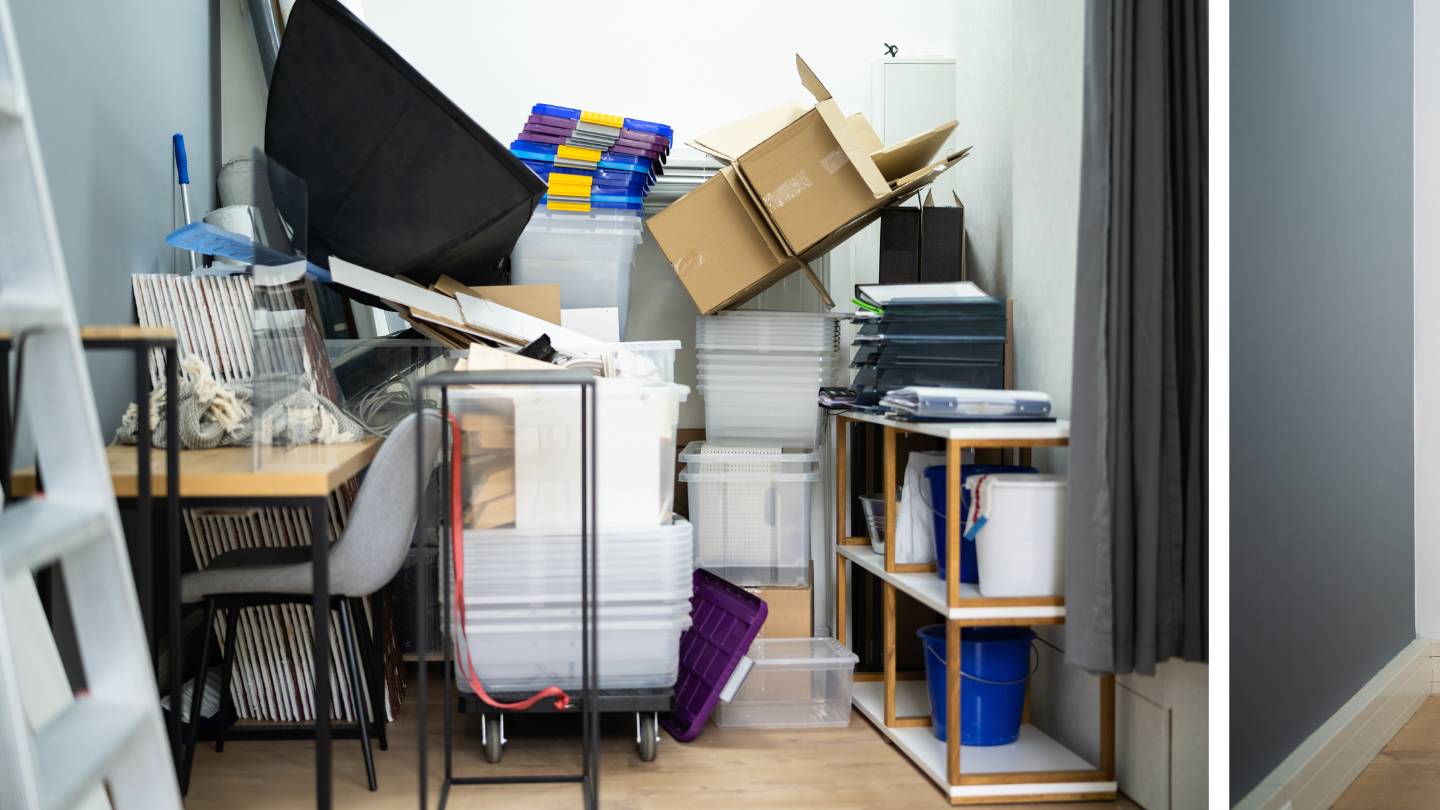
Installing Garage Storage Systems Has Its Advantages
Systems for organising a cluttered garage are useful. Every piece of equipment and tool can be arranged in a convenient and safe location. You may get sturdy, aesthetically pleasing cabinets and shelves to match your interior design.
To increase the utility of your garage, install bespoke garage storage solutions. Shelves and storage cabinets make it easier for you to get at your belongings. Find out seven additional justifications for adding storage systems to your garage.
Get Rid of Clutter
Even in garages with plenty of space, floor clutter is frequently an ongoing nuisance. Finding tools becomes difficult when things are cluttered. You may make your garage clutter-free once you work with professionals in garage organisation. Systems for storing items in the garage also aid in keeping clutter at bay. Install storage systems and provide family members instructions on which areas of the garage to use for certain objects.
Improve the Look of Your Garage
You can really make your garage seem amazing with bespoke storage solutions. Storage solutions enable you to make your garage a more fashionable and useful space.
Investing in well-made storage solutions allows you to work with the best installers to update the interior of your garage to a contemporary style. There are various sizes, styles, and colours for cabinets and drawers. Make precise design choices that will improve the way your garage looks.
Encourage Security
Eventually, the tools leaning against the wall could fall and inflict harm or damage. A cluttered garage floor increases the danger of harm to your car and other helpful equipment.
Once you clear out the garage of clutter, the hazards to your safety will decrease. It’s highly probable that dangerous substances like paints, cleansers, fertilisers, and car fluids are also present in your garage. They endanger both the floor and the occupants of the house. To increase safety, put hazardous chemicals and sharp objects in locked cabinets.
Increase Property Value
One of the things that many house buyers seek is ample parking places, which storage systems assist you in generating. An easy-to-maintain garage with enough parking is a great selling feature for your home. Because of the worth of your house, you can nearly always find a buyer fast if you decide to move.
A well-maintained and professional garage contributes to the kerb attractiveness of a property. Systems for storing items in the garage might be thought of as prudent investments.
Secure Important Items
It is best to store expensive hand tools, an air compressor, and power generators in a secure location to safeguard your investment. Locking door cabinets and garage drawers offer designated storage space.
In addition, garage environments are frequently damp, dusty, and filthy. Your assets are in danger in such environments. The drawers and cabinets help shield your treasures from moisture and insects. You’ll feel more at ease knowing that your things are safe.
Make the Most of Your Garage Space Shelve
Cabinets and drawers in your garage are great ways to make the most of your space and maintain organisation. Systems for storing things assist you in making enough space for your cars, motorcycles, and tools. It gets tougher to keep your garage organised the more bikes and tools you accumulate.
You’ll save more time storing and retrieving your bikes and cars and searching for your tools, thanks to the storage places.
Establish a Workroom in the Garage
Many gearheads and hobbyists eagerly anticipate establishing a garage workshop. It is possible to transform your garage into a multipurpose area. Additionally, you can alter your cabinets to suit your demands for working. Worktops are frequently available in cabinets and drawers.
Finding the right storage option might make garage space a chore. The abundance of boxes, tools, and bikes scattered around the floor might quickly overwhelm you. If your garage currently looks like this, install dependable storage systems to make a change.
Conclusion
Effective labelling and categorisation of items on garage shelves are crucial for creating a neat, easily accessible storage area. Adopting best practices improves the garage’s cleanliness and aesthetic appeal, making it easier to locate individual objects. Labels should be readable and clear, whether printed or handwritten, so anyone entering the garage can instantly determine what is on each shelf. Classifying goods according to their purpose or use simplifies the storage system and makes it easier for users to find what they need.
For the labelling system to remain functional, regular maintenance is essential. Labels must be updated when things are added or removed, and regular evaluations enable modifications in response to changing storage requirements. An inventory sheet provides a thorough rundown of everything kept on the garage shelves, enhancing the labelling system.
Maintaining a neat garage is essential for maintaining a tidy home. It provides more storage space, streamlines item access, boosts safety, enhances visual appeal, and reduces tension. Label organisation can be useful for utility, security, comfort, and even car preservation.
There are 12 clever and imaginative labelling tip ideas from Field Editors and readers. Some ideas include using quick labels for parts cabinets, colour-coding wrenches, marker paint for metal containers, printable magnet labels, magnetic chalkboard labels, and hard labels for gentle purses. These tips help keep garage shelves organised, increase productivity, and reduce clutter. By following these best practices, you can create a tidy, organised, and functional garage that benefits your home and your family.
The author discusses various ways to organise and maintain a garage, including using red nail polish to colour white arrows for medication, labelling plastic containers with large numbers, using self-adhesive vinyl markers, labelling for emergencies, and using plastic stencils. They also discuss the advantages of installing garage storage systems, such as getting rid of clutter, improving the look of the garage, encouraging security, increasing property value, and making the most of garage space.
Clutter can be a nuisance in a garage, but by working with professionals in garage organisation, you can make your garage clutter-free. By providing instructions on which areas to use for certain items, you can create a more stylish and useful space. Additionally, storage systems can help increase property value by providing ample parking spaces, which is a great selling feature for a home.
Safety is another important aspect of garage storage systems, as cluttered garage floors can lead to harm to valuable equipment and other items. Locking door cabinets and garage drawers offer designated storage space, protecting valuable items from moisture and insects.
Organising garage space can be achieved through cabinets and drawers, which help make the most of the space and maintain organisation. This can save time and effort when storing and retrieving bikes and cars. Additionally, establishing a garage workshop can transform the garage into a multipurpose area, with worktops often available from cabinets and drawers.
In conclusion, organising and maintaining a garage can be a rewarding experience, especially if you have a cluttered and unorganised space. By investing in storage solutions, you can create a more organised and functional space that enhances your garage’s functionality and appeal.
Content Summary
- Effective labelling and categorisation of items on garage shelves enhance cleanliness and aesthetics.
- Readable and clear labels, whether printed or handwritten, are essential for instant identification.
- Classifying goods by purpose simplifies storage and facilitates quick access.
- Colour coding adds visual cues for easy identification and organisation.
- Regular maintenance ensures the labelling system remains functional and up-to-date.
- Evaluation of the system allows for adjustments based on changing storage needs.
- Inventory sheets provide a thorough overview of items on garage shelves.
- A tidy garage creates more storage space for various items.
- Easy access to items reduces the time and stress associated with searching.
- Organising reduces the risk of accidents, improving safety for all.
- A visually appealing garage contributes to a pleasant environment.
- Reduced clutter in the garage helps in stress reduction.
- Label organisation offers efficient retrieval of items when needed.
- Label makers become addictive once started, improving organisation.
- Quick labels inside parts cabinets aid in identifying contents easily.
- Colour-coded wrenches streamline tool identification and selection.
- Marker paint allows for reusable labels on various items.
- Printable magnet labels enhance organisation on metal surfaces.
- Magnetic chalkboard labels offer versatile labelling solutions.
- Labels for soft bags withstand rough handling and maintain clarity.
- Unique labelling aids in the quick identification of medication bottles.
- Indexing storage bins simplifies retrieval and management.
- Self-adhering vinyl markers offer visibility in dim spaces.
- Labels for critical switches and valves aid in emergencies.
- Stencil labels deter items from being misplaced or lost.
- Garage storage systems provide convenient and safe organisation.
- Clutter-free garage floors aid in finding tools easily.
- Bespoke storage solutions enhance the visual appeal of the garage.
- Organised garages reduce safety hazards and potential damage.
- Well-maintained garages contribute to increased property value.
- Locked cabinets secure expensive tools and equipment.
- Garage drawers protect belongings from environmental hazards.
- Cabinets and drawers maximise garage space and organisation.
- Storage systems make space for vehicles and tools.
- A garage workshop can be established with proper organisation.
- Multipurpose garage spaces can be tailored to individual needs.
- Workbenches from cabinets offer convenient work surfaces.
- Reliable storage systems transform cluttered garages.
- Labelled plastic drawers aid in identifying screw sizes easily.
- Colour-coded tape on tools simplifies selection and usage.
- Chalkboard paint allows for versatile labelling on various surfaces.
- Magnetic labels offer flexibility in organising metal surfaces.
- Secure labels ensure critical items are readily identifiable.
- Indexing storage containers aids in efficient management.
- Vinyl markers provide visibility in low-light garage spaces.
- Labels for switches and valves enhance emergency preparedness.
- Stencilled labels deter theft or misplacement of items.
- Bespoke storage solutions enhance garage aesthetics.
- Lockable cabinets safeguard valuable tools and equipment.
- Organised garages create functional and appealing spaces.