

Finding adequate storage for bulky tools and machines in a small garage can be challenging when every square inch counts. Hooks are an easy and effective way to keep your garage organised and your tools safe. Is it possible to hang such hefty items on garage hooks? Ever wondered, “Can I hang heavy equipment and tools on garage hooks?” You’re in the right spot at the right time.
This article will explain how garage hooks function and discuss the kinds of large weights they can hold. The information we provide here will be useful whether you’re a weekend warrior who likes to tinker or a full-time craftsman planning a new garage. Now is the time to investigate each hook in your garage to determine if it can securely and comfortably hold your heavy tools and equipment.
How Much Weight Can Hooks In A Garage Hold?
You may be curious about a garage hook’s longevity. The strength of the garage ceiling is usually a determining factor in how much weight the hooks can hold. When the ceiling is plastic, it can support loads of up to 25 pounds. You can confidently hang up to 50 pounds if it’s made of metal. The weight should be distributed across multiple joists or trusses to prevent the hooks from crashing through the ceiling.
Garage Hooks For Heavy Item Storage Above The Garage
We get nostalgic over our collections, whether it’s comic books, stickers, stamps, or even back scratchers. If you were to leave, where would you most likely go? Where we live! However, we don’t only keep our collections in the garage. There, we keep our motorcycles, boats, and tools. Due to the large number of items we keep in our garage, it rapidly becomes a jumbled mess. These heavy-duty hooks are ideal for the garage.
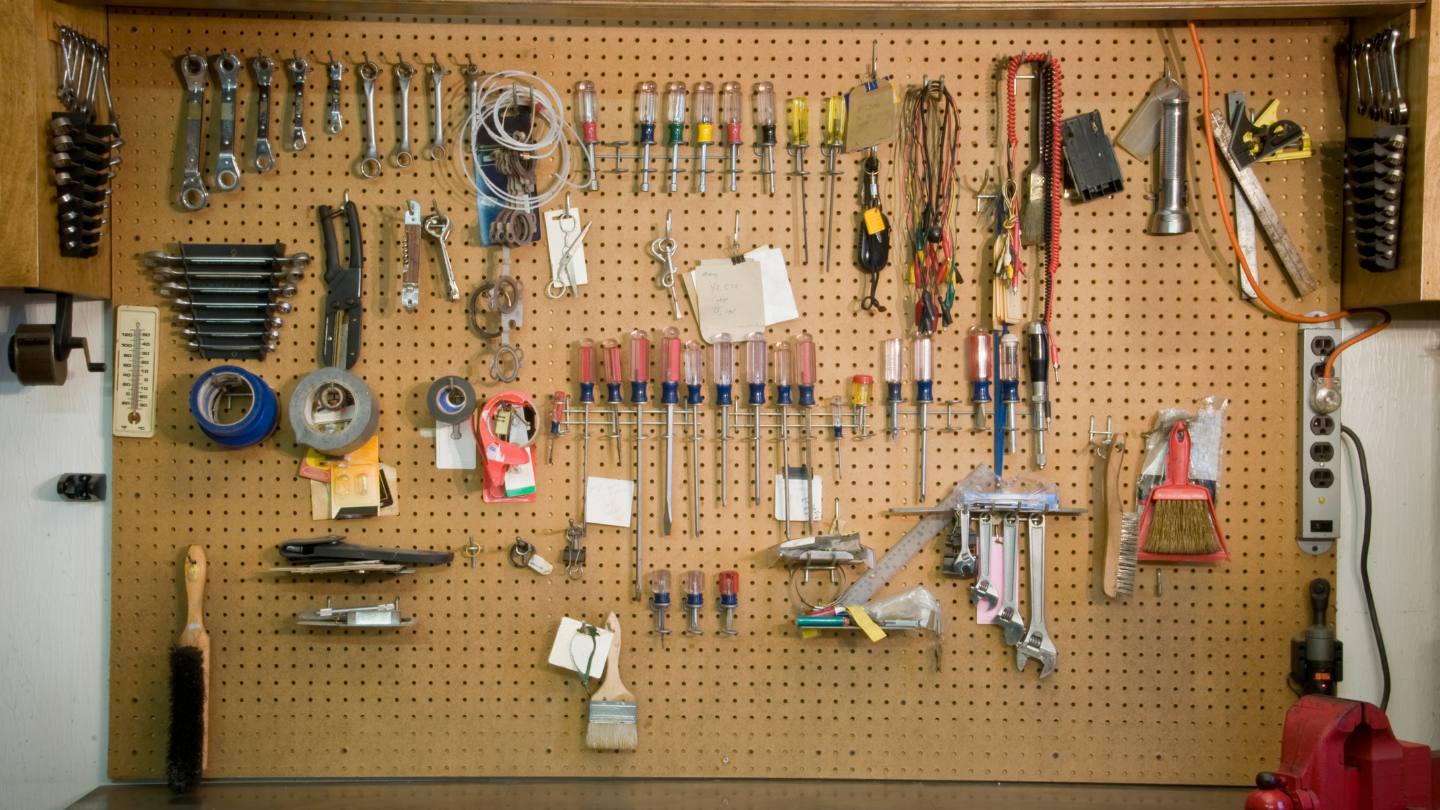
However, we aren’t talking about the miniature hooks found on pegboards. You should install hooks high above the garage ceiling. Hanging a mountain bike or even a yacht from one of these is possible and looks great. They are more useful in the garage for maximising the vertical space of the walls and ceiling.
Once you know what you want to keep in the garage, you can start looking for hooks and hangers to mount on the ceiling. We’ve collected a list of the best garage overhead storage hooks to help you save time searching. You can trust that they can hold a lot of weight because of the widespread usage of metals like iron and steel in their construction.
Garage Wall Ceiling Hook
When reliability is paramount, tubular steel is the material of choice. This is a common building material for industrial and commercial machinery and equipment. Thanks to its tubular steel design, wall ceiling garage hook has a firm hold. This is what you need to mount a huge bicycle to the wall. The hooks on this item are convenient because they can be installed either on the wall or the ceiling. This will prevent the bicycle from slipping off the hooks.
Hooks For Bikes In The Garage
A mountain bike of this calibre might be more affordable than a car, but it would still be pricey. Don’t go scuffing and scratching that priceless possession of yours. The hooks are padded to protect your bikes from scratches. Hooks are protected from damage to bicycles by a rubberised coating. The rubber also prevents the items from moving around. You can hang it securely on the wall no matter how hefty your bike is.
Bicycle And Ladder Hooks
It could be inconvenient to retrieve your items if you hung these hooks from the ceiling. Getting things down from a hook in the garage ceiling is a lot easier with the help of the RAD Bike & Ladder Hooks. The hooks are easy to yank because of the rail mount style. A tall bar stool is no longer required while placing and removing items from hooks. The inclusion of a secure locking mechanism is a nice touch. With this new feature, the rope will self-tighten with each use. It will only be if you want something to go on the floor.
Wall-Mounted Organiser
Chairs that fold up easily are very helpful for get-togethers with relatives. However, the garage space may need to be improved for them. You can put them in a pile on the floor, but doing so could be dangerous. Instead, you may use this rack to hang your foldable chairs on the wall. There are sturdy garage hooks supplied that can hold up to 300 pounds. This rubber coating is standard for garage hooks and keeps your belongings from falling off.
Overhead Garage Storage Organiser
Keeping all our cleaning products in a single, little garage closet is disheartening. To maintain order, install a Wall-Mountable Storage Organiser. This garage hanger is unique because it comes with iron plates. These plates fasten the hooks in place. Another great feature of this garage storage organiser is its adjustable hooks. You can rearrange them on the metal sheets to make the most of your unique storage space in the garage.
Ladder Hooks On The Ceiling
Buying a good ladder is the most secure and stable choice, rather than using tall bar stools. However, just like folding chairs, ladders can take up a lot of room in the garage when not in use. Ladders can be mounted on the ceiling to free up valuable storage areas in the garage. The ladder ceiling rack makes this a practical option. Ladders can be safely stored on this hook rack. This hook rack is sturdy steel and can handle the heaviest ladders.
Lift For Storage In The Ceiling
You may expect a sports kayak to be one of your most expensive investments. Please don’t leave it in the open or a poorly ventilated garage area, where the winter weather could harm it. Hang your kayak from the ceiling using this hoist and save space in your garage. This hook is an excellent way to keep your kayak off your garage floor, thanks to the pulley system. There is no risk of falling because of the safety lock on this ceiling hoist.
Ceiling-Mounted Hooks And Racks For Storage
If you need more storage space but are short on shelves, the overhead storage rack and hooks are an excellent option. This product’s integrated grid design is a standout feature. Installation of the grid shelves is substantially simplified because they need to be attached to the ceiling brackets.
An additional convenient feature is the provision of additional utility hooks. These are perfect for making use of the unused space in your garage. The garage is typically utilised as a dumping ground for unwanted household objects. Organise your garage with the help of hooks. Use the vertical space in your garage to its full potential with the help of these handy hanging devices. Now you have more room to roam about in! If you hang up the majority of your belongings in the garage, you’ll have more space to park your car.
Guidelines For Installation
Certainly! These guidelines can help you put up garage hooks correctly:
- Locate Studs. Find the wooden studs behind garage walls with a stud finder before installing garage hooks. By fastening the hook to the studs, a solid foundation is created.
- An anchor might be installed to compensate for the lack of a stud in the wall. Wall anchors make it possible to safely and securely mount even the heaviest of gadgets and instruments to the wall.
- To properly secure the garage hook, use the appropriate screws, bolts, and, in certain cases, wall anchors. Verify that the hooks are securely fastened and can support the load.
- Think About the Wall Material. The best way to install your garage doors will depend on the material utilised for the walls. For instance, masonry drill bits and wall anchors may be necessary for drilling into concrete and brick walls.
- When selecting how far apart to place the hooks, remember the sizes and shapes of the items and equipment you plan to hang. Leave considerable space between each hook to avoid tangles.
- Install the hooks to be perpendicular to the ground using a level. This makes it seem better and ensures that the weight is spread evenly.
- Only hang something heavy after first testing the hooks’ weight capacity. This ensures that they will succeed under the intended stress.
- Keep hooks for tools and equipment in easy reach. More often-used items should be hung at a convenient height, while less regularly used-items can be hung at a greater or lesser distance.
- The hooks should be labelled or colour-coded so you can easily tell which piece of equipment is hung from which one. This helps maintain order and makes locating what you need quickly easier.
- Always inspect the hooks for signs of damage or wear as part of your routine upkeep. Damaged components must be fixed or replaced immediately to ensure the building’s continued integrity and safety.
By following these instructions, you can maximise your garage space and make quick work of hanging heavy tools and equipment on garage hooks. Always put security first, select the right hooks, and set them up properly to provide a long-lasting storage solution.
Benefits Of Using Garage Hooks
Increased Space
Using garage hooks, you may maximise your vertical storage space. Instead of storing things on the floor, you might use the available space more by hanging them.
Easy To Reach
Things are more accessible when they are hanging up on hooks. You won’t have to rummage through disorganised drawers or sort through piles of miscellaneous items to find what you need. Time and effort are conserved due to the convenience of the location.
Enhanced Organisation
Garage hooks are a great place to keep tools and equipment out of sight. Having a specific hook for each item reduces the likelihood of anything becoming lost. This technique allows you to easily find what you need without sifting through disorganised piles or untangled wires.
Increased Safety
When tools and equipment are hung up correctly, they provide less of a tripping hazard. As an alternative to throwing things on the floor or leaning them against the wall, garage hooks are a great storage solution. As a result, there is less of a chance that someone may trip and damage a piece of equipment or that it will be knocked over by accident.
Tool Lifetime Preserved
Hanging tools up helps keep them in good condition. When tools are kept in drawers or stacked on top of one another, they risk getting dinged, dented, or bent. If you hang your tools up on hooks instead of letting them clang around on the ground, they will last much longer.
Effective Workflow
Tools that are properly hung up in a garage are easier to find, which boosts efficiency. If you maintain order, you may quickly retrieve what you need, complete your task, and return the item to its proper location. This streamlined process can help you save time and increase productivity.
Customisable Setup
Garage hooks provide several design and customisation opportunities. Hooks may be moved or added to the rack without trouble as your storage needs change. As a result, you may maximise the utility of your garage by storing a wide range of equipment and tools there.
Versatility
Garage hooks have a wider variety of uses beyond merely holding tools. They can be used for various purposes, including organising and storing various items, such as gardening tools, extension cords, sports equipment, and bicycles. A wide variety of objects can be conveniently stored on garage hooks.
Installing garage hooks brings you closer to a well-organised and efficient garage; all these benefits are yours to enjoy. Keeping your desk free of clutter can make finding what you need when you need it easier.
Conclusion
You need garage hooks to keep your garage safe and organised, especially if you have heavy tools. The weight that hooks can hold is based on how strong the garage ceiling is. Plastic ceilings can hold up to 25 pounds, while metal ceilings can hold up to 50 pounds. Heavy-duty hooks are perfect for hanging mountain bikes, boats, and tools from the ceiling of a garage to make the most of the room vertically.
There are many different kinds of garage overhead storage hooks, such as tube steel, bicycle and ladder hooks, wall-mounted organisers, ladder hooks on the ceiling, ladder ceiling racks, and lifts for storage in the ceiling. Hooks made of tubular steel have a strong grip and can be used to mount large bikes or motorbikes. Hooks for bikes and ladders are padded to keep bikes from getting scratched, and they have a safe locking system that makes them easy to get back. Folding chairs can be hung on the wall with wall-mounted organisers, and adjustable hooks and iron plates make top garage storage organisers even more useful.
Ladder hooks on the roof are a safe and stable choice, but they can take up storage space that could be used for other things. Ladder hook racks are made of strong steel and can hold even the largest ladders. A pulley system on a roof hoist makes it easy to store sports kayaks, and safety locks keep them from falling.
In short, you need garage hooks to keep your garage organised and to hold heavy things. They can be made of tubular steel, rubberised coating, wall-mounted organisers, ladder hooks, and hoists, and they can be placed on the ceiling or wall to make the most of vertical space.
The storage rack and hooks that hang from the ceiling are a great choice for people who need more storage space but don’t have enough shelves. They have a grid that is built in, which makes mounting easier. Also, they have utility hooks for areas of the garage that aren’t being used, which makes it easier to keep things in order and park your car.
Follow these steps to put up garage hooks correctly: Find the studs behind the garage walls with a stud finder, secure the hooks with screws, bolts, or wall anchors, think about the wall material, choose the distance between hooks, install them perpendicular to the ground, test the hooks’ weight capacity, keep hooks for tools and equipment close by, label or colour-code them, and check them regularly for signs of damage or wear.
Using garage hooks has many benefits, such as more vertical storage space, better organisation, more safety, longer-lasting tools, an efficient process, a customisable setup, and a wide range of uses. By following these steps, you can make the most of the room in your garage and hang heavy tools and equipment quickly.
When you use garage hooks, you get more room, it’s easier to get to things, they’re better organised, it’s safer, your tools last longer, you can change how they’re set up, and they’re versatile. You can enjoy the benefits of a well-organized and efficient garage if you keep it clean and free of mess.
Content Summary
- Garage hooks offer an effective solution for organising heavy tools and equipment in a limited space.
- The strength of a garage hook depends on the material of the garage ceiling.
- Plastic garage ceilings can support loads of up to 25 pounds, while metal ceilings can handle up to 50 pounds.
- Weight should be distributed across multiple joists to ensure the hooks don’t crash through the ceiling.
- Heavy-duty hooks can be used to store not just tools but also motorcycles and boats.
- Unlike miniature pegboard hooks, garage hooks for heavy items should be installed high above the garage ceiling.
- High-quality overhead storage hooks commonly use metals like iron and steel for construction.
- Tubular steel offers high reliability for wall-to-ceiling garage hooks.
- Such hooks can either be installed on the garage wall or ceiling, offering versatility.
- To protect bicycles from scratches, some hooks come with a rubberised coating.
- RAD Bike & Ladder Hooks feature a rail mount style for easy item retrieval.
- These particular hooks also have a secure locking mechanism to ensure items stay put.
- Hooks can also be used to store foldable chairs on the wall, thus conserving floor space.
- Certain wall-mounted organisers can hold up to 300 pounds.
- Organisers with iron plates offer additional sturdiness for holding items.
- Adjustable hooks make it easier to maximise unique storage spaces.
- Ladder hooks on the ceiling can free up valuable floor space.
- Ceiling-mounted ladder hooks are often made of sturdy steel to handle heavy ladders.
- Specialised hooks with pulley systems can be used to store kayaks off the garage floor.
- Safety locks on ceiling hoists prevent items from falling.
- Overhead storage racks with integrated grid design simplify installation.
- Additional utility hooks can further utilise unused garage space.
- The use of garage hooks allows for better organisation, freeing up room for car parking.
- Installation guidelines recommend locating studs for a more secure foundation.
- In the absence of studs, wall anchors can be used to safely mount hooks.
- The choice of screws, bolts, and anchors is crucial for properly securing hooks.
- Wall material should be considered when installing hooks; masonry bits are needed for concrete walls.
- Consideration of the size and shape of items is important when placing hooks.
- Hooks should be installed perpendicular to the ground for even weight distribution.
- Before hanging heavy items, testing the hook’s weight capacity is advised.
- Regular inspection of hooks for wear or damage is essential for safety.
- Hooks should be easily accessible, and items should be hung at convenient heights.
- Labeling or colour-coding hooks can make finding items easier.
- Using garage hooks maximises vertical storage space, leaving more floor space available.
- Hanging items on hooks makes them easier to reach, saving time and effort.
- An organised hook system reduces the likelihood of losing tools or equipment.
- Storing items off the ground reduces tripping hazards and enhances safety.
- The lifetime of tools is extended when they’re properly stored on hooks.
- Proper organisation can improve workflow and boost efficiency.
- Garage hooks offer a customisable setup that can adapt to changing storage needs.
- They are highly versatile, and suitable for storing a wide range of items.
- Beyond tools, hooks can be used for gardening equipment, extension cords, and sports gear.
- An organised garage space leads to a more effective and efficient workspace.
- Overhead storage hooks often come with additional utility hooks for extra storage.
- Wall-mounted organisers with adjustable hooks are ideal for unique storage needs.
- Hooks with rubber coating not only protect items but also prevent them from slipping off.
- A well-organised garage enhances productivity by making it easier to locate what you need.
- Ceiling-mounted ladder racks offer a practical solution for storing ladders safely.
- Specialised hooks with safety features, like locking mechanisms, offer added peace of mind.
- Following installation guidelines carefully ensures a safe and long-lasting storage solution.
Frequently Asked Questions
What Do You Use Garage Hooks For?
The hooks line our entire wall, saving us so much space and helping to keep things off the garage floor. We use them for camping chairs, beach bags, towels, backpacks, and more.
What To Hang Tools In A Garage?
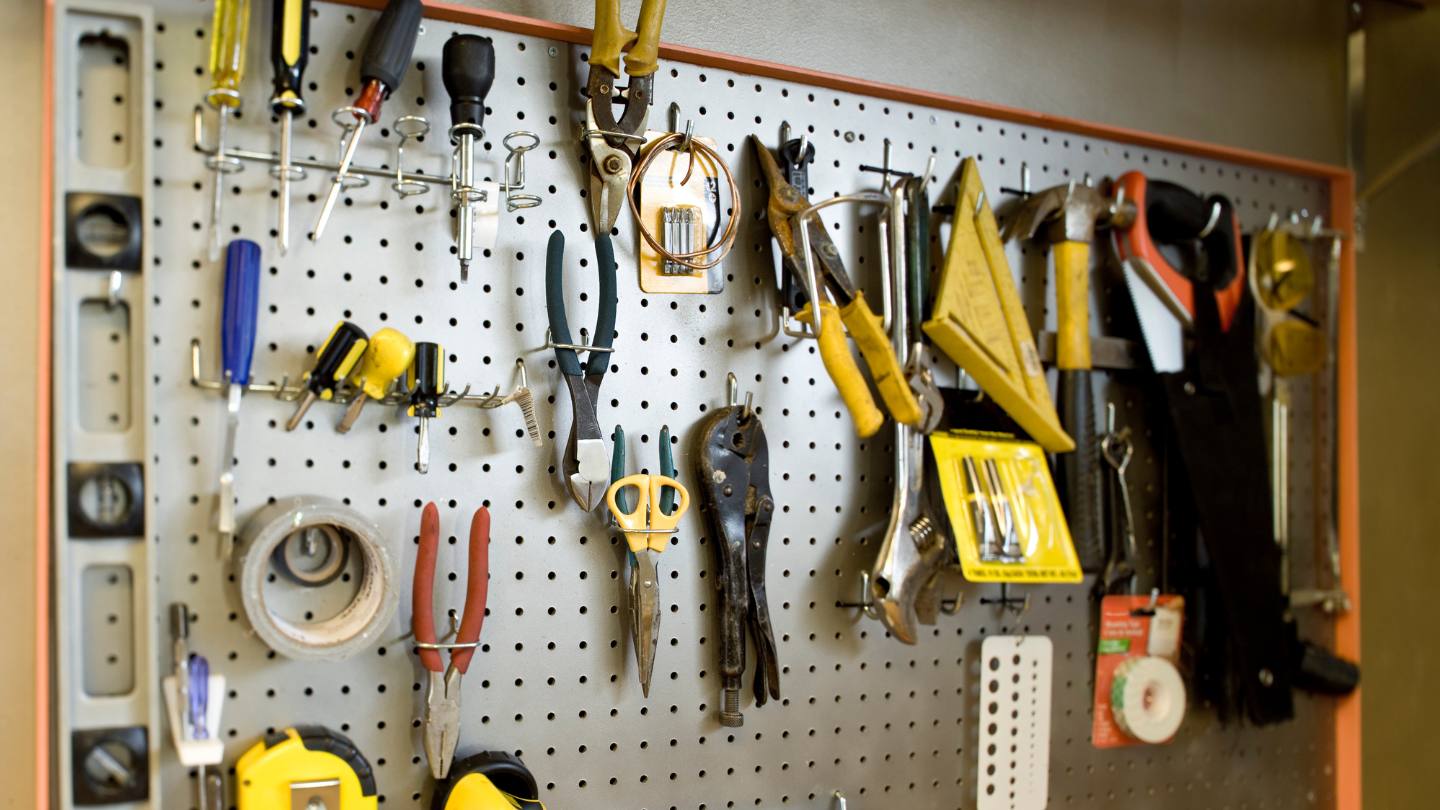
Use a pegboard to hang your tools on the wall – it’ll make them easy to find and keep your bench clear.
How Do You Hang Heavier Items?
Use a toggle bolt or anchor to hang the piece on areas with no studs. The piece’s weight and the wall’s thickness will dictate the toggle size. The typical metal toggle bolt can hold 25 to 50 pounds on plaster. A plastic one can hold 10 to 25 pounds.
What Do You Use To Hang Tools?
There are many ways to hang tools on a wall, including slat boards and pegboards. Another popular option is vertical strips and anchor hooks on the strip. For smaller tools, consider a magnetic strip.
How Do You Store Tools And Equipment?
Go vertical. Tools should never be stored on the ground. Invest in shelving for smaller tools, or hang pegboard along your workbench or on a wall in your garage. You’ll be able to hang things like wrenches, hammers, box cutters, garden equipment and many other tools, so they’ll be easy to access at any time.