

Some things belong in the garage, and others don’t. When you’re short on room at home, how often do you throw an additional box in the far corner of the garage without giving it a second thought? Here are some items you must not keep in your garage if you are serious about organising your belongings and protecting yourself from harm.
Things You Should Keep In Your Garage
Automobile Parts Are Fine
Because your vehicle spends so much time in the garage, it’s only natural that auto parts and accessories will eventually get up there. As long as you have a few extra tools and a way to check the pressure in your tyres, there’s no need to fret. The key is to maximise storage space.

A Garage Is An Ideal Storage Area For Tools.
The garage is the most secure location for most people’s power tools and socket wrenches. In addition to making sure they’re always within reach, storing these goods in high-traffic areas also helps keep dirt and oil from tracking throughout the house.
You can also keep all of your gardening equipment in a garage. Using Slatwall racks, you can conveniently store rakes, shovels, and other gardening tools on your walls. Weed wackers and lawnmowers should be stored in a readily accessible area. When storing your mower for the winter, place a drip cloth underneath it.
Outdoor Furniture And Bikes Are Fine
The garage is a great spot to keep your patio out of the way when bad weather strikes. You may conceal a patio umbrella when it’s not in use, hang up lawn chairs when not, and use the area under your patio table to store boxes and bins. Stay within the maximum weight restriction if you also intend to store objects on top of the table.
Are any of your bicycles gathering dust? Prop them against a wall to keep them dry and protected from the weather. Fill your tyres to the pressure indicated by the manufacturer before beginning the next bicycling season, and make sure you have a working bike pump on hand.
Garages Are Great For Temporary Storage
When storing items temporarily, many put them in dark, out-of-the-way places like basements, attics, or garages. The key is to assign a certain garage area to serve as storage, whether for the short term or the long haul and then use that space. Garages are notorious for quickly becoming disorganised, so it’s a good idea to partition off the space and give each portion a specific purpose. This will make it much simpler to keep the area neat.
Things You Definitely Shouldn’t Keep In Your Garage
Beware Of Dangerous Substances
Do not store anything in your garage that could catch fire, is hazardous, or is easily leaky or ignitable. Storing gasoline and propane in your garage is not a good idea. In addition to the risk of fire, there is also the issue of odours.
Uneven heating and cooling can cause flammable liquids to expand and become volatile, and most garages do not have enough ventilation for this kind of storage. Another thing that could perform better in a garage is paint. While it’s not precisely combustible, sudden shifts in temperature can impair the paint’s consistency by making it harden.
Keep Pests Out
As it is, pests like rats and insects love to congregate in garages. Do not put valuables like clothes, documents, wood, books, or bedding in storage because doing so could attract rodents. Although it should go without saying, the garage is also not the place to keep pet food. Ensure that everything above is securely stored indoors in temperature-controlled locations.
Nothing Fragile Or Valuable
Valuables are vulnerable to weather-related problems such as warping, cracking, and water damage. In addition, garages are sometimes targeted by would-be robbers. Keeping priceless artefacts and other valuables inside, away from the elements, is the greatest approach to ensure their safety and preservation. Consider getting a little safe or lockbox.
Techniques For Safely Storing Food
Keeping the goods above in your garage is a bad idea, but there are measures you can take to make it safer. Sealable plastic containers are ideal for storing goods in boxes or bags, including those for pets, to ensure that no rodents or other pests get inside.
Canning foods requires extra caution due to their unpredictable temperature. You can utilise your garage as a short-term storage solution for canned goods if you regularly rotate them.
Soda cans are a great food item in your garage, but you should often inspect them for rust or damage. Get creative indoors; there are better places to keep perishable items like wine or food than the garage.
What Are Some Foods That I Can Keep In The Garage?
The garage can be a great place to store food, whether you have a little pantry inside and need additional room to keep perishable items or prefer a three-month to one-year supply. The following, however, must not be included:
Fresh Food
In most cases, the temperature in a garage is too high to store perishable items safely.
Wine
The wine loses its flavour and colour when exposed to high temperatures, rendering it unfit for human consumption.
Canned Foods
Store canned products in a cool, dry place to prolong shelf life. Your food’s shelf life will be significantly reduced if the temperature in your garage is below 70 degrees, and it will be frozen if it stays above. Rust, which can ruin food, can also happen depending on your climate.
Food Such As Cereal, Chips, Crackers, And Other Snacks Are In Boxes.
For small animals, this is a call to feast. A swarm of pests can easily empty the bag’s contents and wreak havoc on your garage.
Pet Foods
This is the same problem as when you have food in boxes. The garage is a great place for pests to live.
Are There Any Chemicals That I Can Keep In My Garage?
Among the many storage-related enquiries, “What chemicals can I keep in my garage?” stands out. You want to ensure that you, your loved ones, and your house are safe, so this is a crucial question. Some things might be dangerous, and you might not even know it. Below is a list of typical compounds that can be harmful around the home.
- Multi-use cleaning products
- Ammonia
- Sprays and insecticides
- Fluids and automotive batteries
- De-icing agent
- Coconut oil Bleach solution
- Crop Enhancers
- Lighting with fluorescent bulbs
- Fuel and gasoline
- Roundup for gardens and lawns
- Removable paint
- Fluid paint
- Killing weeds
Tips For Safely Storing Chemicals
Your garage is a great place to keep everything above, but you must be careful with how you put them away. Read this if you want to know how to store chemicals in your garage properly.
Products That Have Expired Or Are Unused
Reducing the amount of chemicals in your garage is a bonus to making more room by removing expired products that are no longer needed.
Ensure Chemicals Are Well-Labeled
You can always tell what a chemical is and when it will expire if you keep it in its original container or label it correctly. This is especially important for dangerous products.
Make Sure Children Can’t Get To Them
Keep all potentially dangerous substances in a secure location, such as behind closed doors or on a high shelf, out of the reach of children. For more garage shelving alternatives, you can visit this page.
Keep Chemicals Safe From High Temperatures And Freezing Lows
Extreme temperatures, as well as low temperatures, can pose dangers to chemicals. Always follow the manufacturer’s instructions and keep chemicals in a cool, dry place. To keep chemicals safely stored, you can lower the temperature of your garage in several ways.
Pay Close Attention To Where You Keep The Chemicals
Finding a secure location to keep your chemicals is essential, even if it may seem obvious. Avoid combustible areas, radiators, furnaces, engines (such cars or lawnmowers), and other ignition sources.
Being close to sources can seversourcetroy most substances.
Cleaning Up Toxic Spills
Cat litter can be used to mop up toxic spills; however, we hope this never happens. Use adequate kitty litter to soak up all the chemicals; this should ensure no remaining moisture. The kitty litter should be easily swept up and placed in a metal bin or other flame-resistant container in a few hours.
Additional Things That You Can Keep In Your Garage
Car And Car Supplies
While you should use your garage space to keep your vehicle, there are plenty of other things you can keep there, such as a roof rack, air pumps, wiper fluid, and more!
Because your vehicle spends so much time in the garage, it’s only natural that auto parts and accessories will eventually get up there. As long as you have a few extra tools and a way to check the pressure in your tyres, there’s no need to fret. The key is to maximise storage space.
Gym Equipment
If you have enough space, storing exercise equipment in the garage reduces the risk of harm at home. As the weather warms up, remember to use it and keep cool.
Tools
Equipment is obvious. Your tools should be stored in a garage. A rolling tool cabinet is perfect for storing your assortment of wrenches, sockets, and screwdrivers. Use plastic drawers for storing nuts, bolts, and screws.
The garage is the most secure location for most people’s power tools and socket wrenches. In addition to making sure they’re always within reach, storing these goods in high-traffic areas also helps keep dirt and oil from tracking throughout the house.
You can also keep all of your gardening equipment in a garage. Using Slatwall racks, you can conveniently store rakes, shovels, and other gardening tools on your walls. Put lawnmowers and weed wackers in a convenient spot. When storing your mower for the winter, place a drip cloth underneath it.
Beer
Then why are you keeping that beer? You ought to be consuming it, right? Beer keeps well for a while, and a garage (ideally with a fridge) is a good spot to keep it out of the reach of children. Beer can stink and spoil if left in the sun for too long, so be careful!
Batteries
Batteries are a great electrical tool to have on hand in the garage. Be careful to keep them in a cool place, as this will greatly reduce the battery’s lifespan. A junkyard is a great place to generate some extra cash, so consider taking any old lead batteries you might have.
Christmas Decorations
Use the space in your garage for storage if you’re out of room in the attic. If you want to avoid opening every single box in search of a certain little item, it’s a good idea to package and name them. Packaging materials like bubble wrap can further guarantee the item’s safety during shipment.
Yard And Gardening Tools
Any equipment or tools used exclusively outside should be kept in the garage. Imagine a toolbox full of shovels, hoses, lawnmowers, extension cords, gardening implements, additional flower pots, and the like. Storage cabinets in the garage are a terrific way to keep your equipment organised, and you can also use them to store outside materials like potting soil, ice melt, and other large containers.
Infrequently Used Items
Comparable to the basement or attic, the garage is a good spot to stash things you seldom or never use. Things that are strong and can withstand the elements are better off stored in a garage, while things that are more fragile, such as documents and electronics, are better off stored in an attic or basement.
Shoes
One word of caution while storing footwear in the garage for an extended period: spiders. To check for webs or eggs, hang them up and open them sufficiently. Before putting the boots away, make sure they’re dry. Additionally, we regret any inconvenience caused by your need to inspect your footwear for any ominous insects or spiders with each wear.
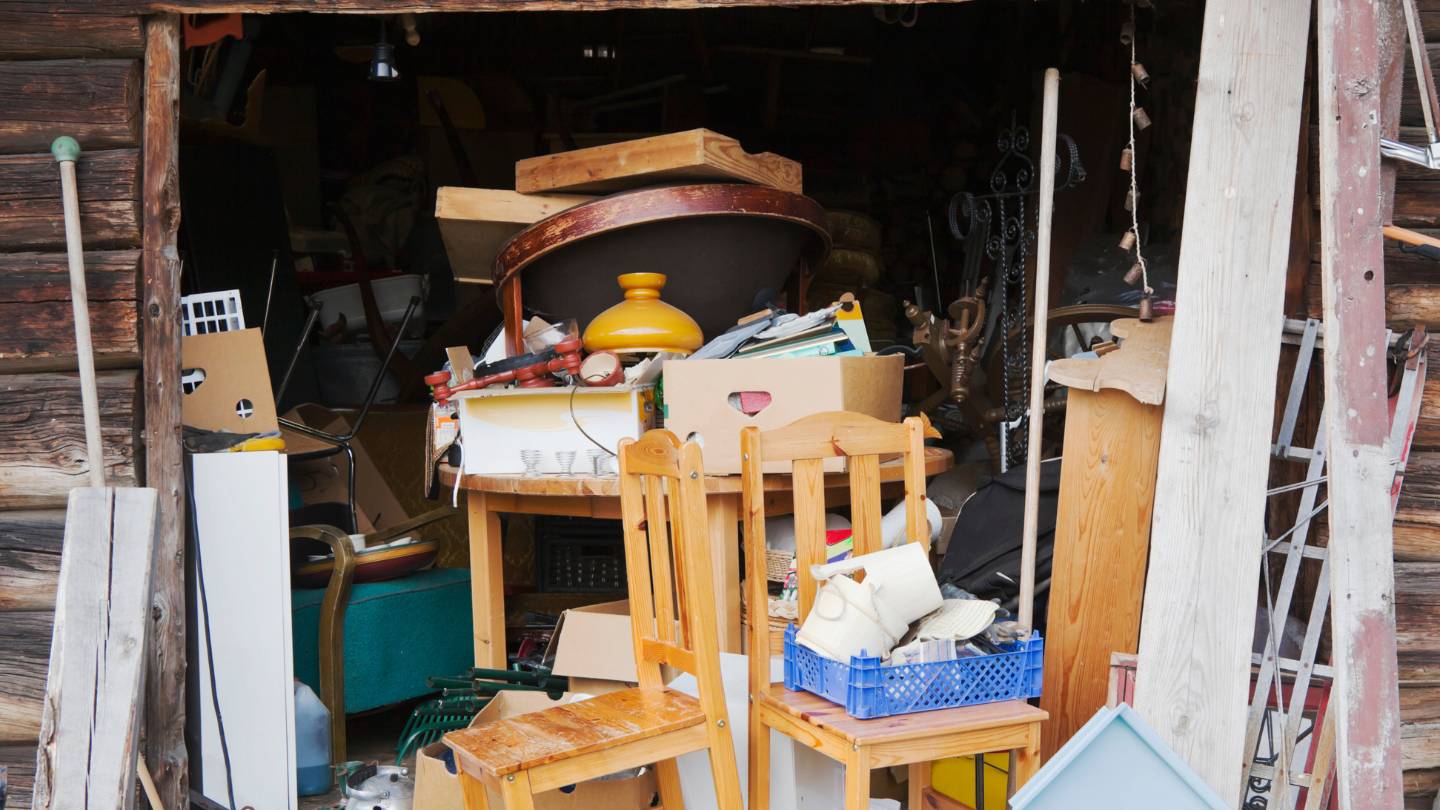
Outdoor Furniture And Bikes Are Fine
The garage is a great spot to keep your patio out of the way when bad weather strikes. You may conceal a patio umbrella when it’s not in use, hang up lawn chairs when not, and use the area under your patio table to store boxes and bins. Stay within the maximum weight restriction if you also intend to store objects on top of the table.
Are any of your bicycles gathering dust? Prop them against a wall to keep them dry and protected from the weather. Fill your tyres to the pressure indicated by the manufacturer before beginning the next bicycling season, and make sure you have a working bike pump on hand.
Garages Are Perfect For Short-Term Stuff
When storing items temporarily, many put them in dark, out-of-the-way places like basements, attics, or garages. The key is to assign a certain garage area to serve as storage, whether for the short term or the long haul and then use that space. Garages are notorious for quickly becoming disorganised, so it’s a good idea to partition off the space and give each portion a specific purpose. This will make it much simpler to keep the area neat.
Conclusion
The garage is a great storage space for various items, but it’s important to consider what should and shouldn’t be stored there. Some items that can be stored in the garage include auto parts, gardening equipment, outdoor furniture, bicycles, and temporary storage. However, it’s essential to be cautious of dangerous substances like gasoline, propane, paint, and valuables.
Garages are great for temporary storage, but it’s crucial to assign specific areas for each purpose. Keep valuables inside, away from the elements, to ensure their safety and preservation. Sealable plastic containers are ideal for storing goods in boxes or bags, while canned foods require extra caution due to their unpredictable temperature. Soda cans are also suitable for storage, but they should be regularly inspected for rust or damage.
Food can be stored in the garage, but it’s not safe for fresh food, wine, canned foods, cereal, chips, crackers, and other snacks. The temperature in the garage can be too high, making them unfit for human consumption. Canned foods should be stored in a cool, dry place to prolong shelf life. Boxes can be a breeding ground for pests, and pet foods can be a breeding ground for pests.
Some chemicals that can be harmful in the garage include multi-use cleaning products, ammonia, sprays and insecticides, fluids and automotive batteries, de-icing agents, coconut oil bleach solution, crop enhancers, lighting with fluorescent bulbs, fuel and gasoline, roundup for gardens and lawns, removable paint, and killing weeds.
In conclusion, while garages can be a useful storage space, it’s essential to be cautious of dangerous substances and chemicals. By storing only what is necessary and properly, you can ensure the safety and well-being of your belongings and home.
Content Summary
- When organizing your garage, avoid storing items that could pose harm or hazards.
- Automobile parts and accessories are suitable for garage storage, maximizing space and accessibility.
- The garage provides a secure location for power tools, preventing dirt and oil from spreading inside the house.
- Gardening equipment, including rakes and shovels, can be conveniently stored on Slatwall racks in the garage.
- Outdoor furniture and bikes can be safely stored in the garage during bad weather.
- Utilize the garage for temporary storage by assigning specific areas and purposes to avoid disorganization.
- Avoid storing dangerous substances like gasoline, propane, and paint in the garage due to fire risks.
- Keep valuables indoors to protect them from weather-related damage and potential theft in the garage.
- Safely store food in the garage using sealable containers to prevent pests from getting inside.
- Canned goods can be stored temporarily in the garage if rotated regularly to ensure freshness.
- Wine, fresh food, and snacks in boxes are not suitable for garage storage due to temperature concerns.
- Exercise equipment, such as gym gear, can be stored in the garage to reduce clutter and minimize home hazards.
- Store tools, including wrenches and screwdrivers, in a rolling tool cabinet for easy access and organization.
- Batteries are ideal for garage storage but should be kept in a cool place to extend their lifespan.
- Christmas decorations can be stored in the garage to save attic space, with careful packaging for protection.
- Yard and gardening tools, including shovels and hoses, can be organized in garage storage cabinets.
- Infrequently used items are suitable for garage storage, especially those that can withstand the elements.
- Shoes can be stored in the garage, but caution is advised to check for spiders and ensure they are dry.
- The garage is a suitable place for outdoor furniture storage during adverse weather conditions.
- Bicycles can be safely stored in the garage to protect them from dust and weather elements.
- Garages are perfect for short-term storage, provided specific areas are designated and organized.
- Avoid storing perishable items, like fresh food and wine, in the garage due to temperature fluctuations.
- Use sealable containers to safely store pet food in the garage and prevent attracting pests.
- Exercise caution when storing chemicals in the garage, keeping them labeled and out of reach of children.
- Dispose of expired or unused chemicals to reduce clutter and potential hazards in the garage.
- Ensure chemicals are stored away from high temperatures and freezing lows to prevent risks.
- Keep chemicals away from combustible areas, radiators, furnaces, engines, and other ignition sources.
- Cleaning up toxic spills in the garage can be done with cat litter, but proper disposal is crucial.
- Car supplies, including roof racks and air pumps, can be stored in the garage alongside the vehicle.
- Beer can be stored in the garage, preferably in a fridge, to keep it out of reach of children.
- Batteries are excellent for electrical tools in the garage, but they should be kept in a cool place.
- Christmas decorations can be stored in the garage, with careful packaging for protection.
- Yard and gardening tools can be organized in garage storage cabinets to keep them accessible.
- Infrequently used items are suitable for garage storage, especially those that can withstand the elements.
- Shoes can be stored in the garage, but caution is advised to check for spiders and ensure they are dry.
- The garage is a suitable place for outdoor furniture storage during adverse weather conditions.
- Bicycles can be safely stored in the garage to protect them from dust and weather elements.
- Garages are perfect for short-term storage, provided specific areas are designated and organized.
- Avoid storing perishable items, like fresh food and wine, in the garage due to temperature fluctuations.
- Use sealable containers to safely store pet food in the garage and prevent attracting pests.
- Exercise caution when storing chemicals in the garage, keeping them labeled and out of reach of children.
- Dispose of expired or unused chemicals to reduce clutter and potential hazards in the garage.
- Ensure chemicals are stored away from high temperatures and freezing lows to prevent risks.
- Keep chemicals away from combustible areas, radiators, furnaces, engines, and other ignition sources.
- Cleaning up toxic spills in the garage can be done with cat litter, but proper disposal is crucial.
- Car supplies, including roof racks and air pumps, can be stored in the garage alongside the vehicle.
- Beer can be stored in the garage, preferably in a fridge, to keep it out of reach of children.
- Batteries are excellent for electrical tools in the garage, but they should be kept in a cool place.
- Christmas decorations can be stored in the garage, with careful packaging for protection.
- Yard and gardening tools can be organized in garage storage cabinets to keep them accessible.
Frequently Asked Questions
Can I Store Firewood In The Garage?
It’s not recommended. Firewood can introduce pests into the garage, and the wood may harbour mould in a humid environment. Store firewood outside in a dry location.
What About Household Cleaning Supplies?
Yes, the garage is a suitable place for storing cleaning supplies. Ensure they are securely stored, away from extreme temperatures and out of reach of children.
Can I Store Camping Gear In The Garage?
Yes, the garage is an excellent place for camping gear. Clean and dry equipment before storing it to prevent mould and mildew.
Is It Safe To Store Pet-Related Items In The Garage?
Yes, but be cautious. Ensure pet food is stored in sealed containers to prevent pests. Keep bedding and other items in a clean and dry condition.
Can I Store Important Documents In The Garage?
No, it’s not recommended. Important documents are sensitive to temperature and humidity changes. Store them indoors in a secure, climate-controlled space.