
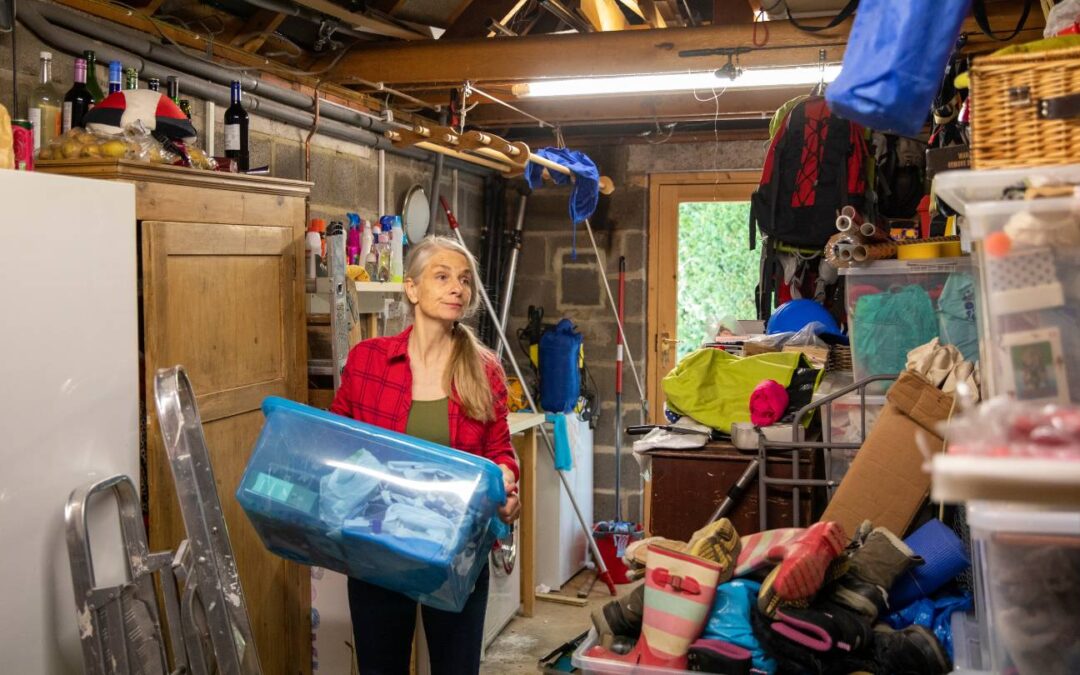
If you’re feeling stifled by the amount of stuff in your garage, need help finding something, or run out of floor space, it may be time to declutter. Even though it’s not springtime in Australia, a nice spring cleaning is always welcome.
Because most people think of their garages as “out of sight, out of mind,” they rarely use them. Because your house is where you spend most of your time, the accumulation of clutter there is more readily apparent.
The problem will escalate rapidly if you pile additional stuff into your garage by driving around. Plus, you know it’s time to take action when you have trouble parking!
Clutter in the garage is inevitable, but there are easy ways to get it under control.
Gathering Necessary Items to Declutter Your Garage
To succeed at anything significant, you must first plan it out. This also applies to clearing out your garage. You are laying the groundwork for success by collecting your materials, making a plan, and scheduling the time you will need. Take your time and be organised with this procedure. As soon as you do, you’ll come to regret it deeply.
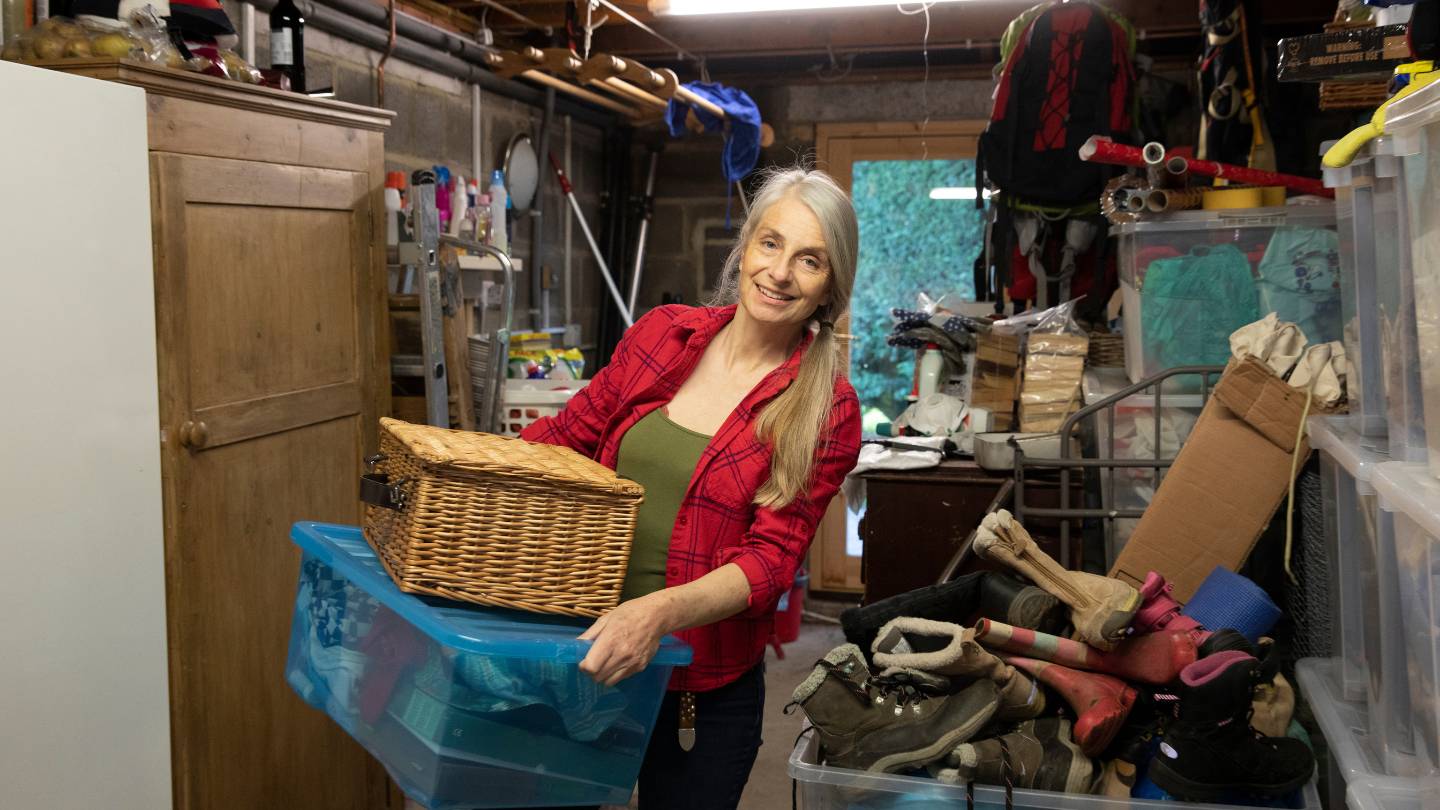
Gather Your Supplies
You may get more done in less time and with fewer tools if you have the following items on hand before clearing out a garage. My recommendation is as follows:
- Use large trash bags. You can get by with standard bags if you only have them, but the heavy-duty ones would be perfect.
- Use larger empty cartons, crates, or bins if possible. Items to be disposed of or discarded will be sorted using these.
- Leash System
- Mobile note-taking app – You should make a mental note to buy more cleaners if you’re almost out of a certain brand.
- Dustpan and Broom Rags Music Water
All materials are merely recommendations. But you won’t have to stop your decluttering momentum when you start working on the garage if you’re well-prepared.
Make A Plan
Think about the final design you want for the garage before you begin clearing up the clutter. Get out some paper and draw a plan if you need to. You should survey your garage and assign specific spaces for different things. Here are a few things to think about:
- Tools for the Yard Sugars Playthings
- Supplies for Painting and Home Repair
- Tools
- Items that are surplus from one season to another (such as excess dog food or bulk food storage)
- Camping Gear
- Hunting Gear
Remember that the things you use most often should be located where you can get them quickly. Getting to the dog food shouldn’t require you to climb a ladder. Nobody benefits from that. Before clearing out the garage, ensure everything is in its proper place.
Block Out Time
You should coordinate when a friend or partner can drop by to lend a hand, just in case you have anything big in your garage. For example, you may have some outdated exercise gear that needs to go or a dresser that has seen better days and needs to be thrown out.
Consider the things you have stashed in your garage and whether you’ll require assistance moving them. Make time to clean out the garage afterwards. Going through a garage should take at most three hours if you’re ready.
You should probably wait until the kids are asleep before beginning any garage maintenance. The issue will become even more stressful if the kids get up and you still have half of the garage undone. Please make the necessary preparations; after you’ve set the date and time, you must not change it.
Advice on How to Clean and Organise Your Garage
Come Up With A Strategy
Going in unprepared increases the likelihood of losing focus and wasting time poring over old photo albums.
Create a To-Do list after you’ve decided on the various actions to take. For example, is it necessary to visit the store to purchase storage bins, boxes, racks, and cardboard boxes? It will be less hassle to begin, and you can complete the task more rapidly if you prepare beforehand.
Make It Fun
Enjoy cleaning the garage if you want to keep yourself motivated to finish. Listen to music, a podcast, or a sporting event to take your mind off the physical labour. Another option is to involve the family and assign them particular duties.
Assess The Mess
Leave your vehicle parked on the driveway and the garage door ajar to get a good look at the situation. Gather garbage bags and sort the items in your garage according to the age-old “keep, sell, donate, recycle, or trash” approach.
Create Dedicated Zones
Put anything you’ve selected to keep in its pile. As an illustration, designate a specific place to house your gardening tools and another to house your camping gear.
Finding what you need will be a breeze from now on, thanks to this. Keep the things you use most often in the spotlight and put seasonal goods, like winter jackets, in the back or on the top shelf.
Garage Organising and Cleaning
Now that you’ve decluttered your home, it’s time to tackle the garage. At the very least, open the garage doors and windows to let in plenty of fresh air.
A fan in front of an open window can further enhance air circulation. When cleaning with strong chemicals, wearing a mask is important so you don’t breathe in the particles.
Before you clean the garage floors, wipe off all the surfaces. Pay close attention to the garage walls. They should also be given some care and attention! To clean it, use the same sweeping motion you used on the floor in the garage.
Consider Your Organising Systems
In addition, please specify which rack should hold which items. While some things, like photo albums or clothing, are better kept in a closed container, you can display your gardening tools on display.
Put the things you don’t use often in a drawer and give prominent spots to the things you use often. Heavy-duty cabinets are a good investment if you’re worried about things becoming wet or damaged.
Verify That Your Garage Door Is Working
Check the garage door as a last but certainly not least step. Is everything working fine now? Does it have enough of a seal to keep the rain out? Even with the door closed, is there a draft?
To ensure no unpleasant surprises, you should check your garage door periodically. If you are thinking about installing a new garage door or would like some professional help, you can contact us.
Think About Garage Shelving And Other Options For Garage Storage
If you’re short on garage space, don’t worry—plenty of great storage alternatives are available. One example is garage shelving, which allows you to store things at a greater height and frees up more room on the floor. The cricket bat is no longer a hazard you must overcome each time you enter the garage!
Advantages of a Well-Ordered Garage
The Entire Garage Appears Spacious and Cleaner
The garage at your house isn’t the only one that’s a wreck. Considering that the room serves as a passageway from your vehicle (if you’re fortunate and have enough space) to your home and a storage area for your outdoor gear, it makes perfect sense. Therefore, its cleanliness (or lack thereof) will have a smaller impact on your way of living than a disorganised home would. It’s simple to fix that awful mix.
Clutter makes the floor look unclean no matter how often you sweep it, and it also attracts bugs, rodents and other nasty crawlies! Maintaining a clean and clutter-free garage is as easy as pie when you take the time to organise the space.
A neatly organised garage gives the illusion of extra room. Cabinets, shelves, and wall-mounted storage systems better use available wall space and prevent goods from falling to the floor, saving valuable floor space.
Treasured Objects Remain Safe
The garage may be a disorganised mess, but it undoubtedly houses valuable possessions. Like power tools and yard and garden equipment, bicycles are relatively inexpensive. Your vehicle, on the other hand, is the most costly.
Treasured possessions are shielded from harm in a neatly organised garage. Even if your children “accidentally” ride their scooter, electric toy car, tricycle, or bicycle into your car, the paint will remain unblemished. While at it, sort through your children’s outgrown toys and find a good home for the ones they still play with.
Cabinets and wall-mounted storage items provide a secure place for other tools, outdoor furniture, and lawn equipment, preventing them from falling off shelves or getting jumbled up in the corner.
Dangerous Equipment and Tools Stay Safe
It would help if you also secured any potentially harmful tools or machinery in your garage from curious children. Consider your power and gas-powered gardening equipment, such as your chainsaw and hedge trimmer. Drills, circular saws, and other power instruments also require protection. On top of that, you should not keep any rock salt or fertilisers in this area.
Effortlessly Locate Anything You Need
Have you ever lost track of where you put that roll of duct tape, the Phillips head screwdriver, or the utility vacuum attachments? Even the smallest items might be difficult to find in a disorganised garage. When everything is in its place, everything is easy to see.
The possibilities for storage are endless, from slat wall systems with little baskets, bins, and hooks to well-organised workbenches with cabinets and drawers. You won’t have to spend as much time searching for your belongings. You may end up saving money on weed trimmer lines, nails, tape, and screws by simply reusing what you already own.
Help Make Making Good Choices Easier
To become organised, anyone can. The more challenging part is maintaining organisation. You are more inclined to do something when it is easy for you to do it. Everything from hanging up your coat to organising mail to putting things away in the garage falls under that category.
Practical storage solutions not only deter children from carelessly discarding their toys on the garage floor but also facilitate your organisation by allowing you to more easily return the drill to its designated location and arrange all of the vacuum equipment on the appropriate shelf.
During the warmer months, the garage door becomes a virtual revolving door in many houses. On weekends, you’ll likely work on projects or wash the car while the kids run around collecting balls and bikes. It would be wonderful to open the door without worrying about the neighbours’ opinions, wouldn’t it? More importantly, picture a room with enough storage for all your belongings and space for a car or two.
The Health Advantages of Decluttering
Reduced Anxiety and Stress
Anxieties and tensions can build up in a disorganised garage. Tension levels can rise due to the never-ending quest for the correct instrument or the anguish at being unable to locate what is required. Try decluttering and organising your gear if you want a more serene and tranquil work environment.
Enhanced Safety
Accidents can happen in a disorganised garage. Tools left around provide a tripping hazard, and overly heavy or sharp tools can cause accidents if they are not secured. Make your workspace safer and less prone to accidents by clearing unnecessary items and arranging your tools orderly.
Increased Productivity
More work gets done when the office is neat and organised. You can get more done in less time and save wasted effort when your tools are in their proper places and easy to reach. A sense of fulfilment and enhanced productivity may result from this.
Improved Air Quality
The air quality in your workstation might be negatively affected by dust and debris accumulating in a disorganised garage. Respiratory problems and allergies can be brought on by dust and other allergens. The air quality in your garage can be enhanced and made healthier to work in by regularly cleaning and clearing out clutter.

Boosted Creativity And Focus
Optimism and originality can flourish in a well-organised, clutter-free space. A clean garage will boost your creativity.
Better Physical Health
Getting your body moving while organising and decluttering is a great way to improve your health. Keeping active and fit can be as simple as moving heavy tools about the house or as involved as cleaning and organising.
Stress Reduction
Mental clutter is just as much a part of a cluttered life as physical clutter. Achieving a well-organised garage can alleviate mental tension and bring a sense of success. You can rest easy when your work area is organised, and you know exactly where your tools are.
Conclusion
Decluttering your garage can be a rewarding experience, especially during springtime in Australia. To tackle the issue, gather necessary items, make a plan, and schedule the time needed to clean. Gather large trash bags, empty cartons, crates, bins, a leash system, and cleaning supplies. Create a plan for the garage, assigning specific spaces for different items. Block out time and schedule cleaning after the kids are asleep. Create a To-Do list and make it fun to keep yourself motivated.
Assess the mess and create dedicated zones for items. Clean the garage floors and walls, using a sweeping motion to clean surfaces. Consider organizing systems, such as storing items in racks or drawers, and investing in heavy-duty cabinets to prevent damage. Open garage doors and windows for fresh air, wear masks when cleaning with strong chemicals, and clean garage walls with a sweeping motion.
A well-organized garage can provide numerous benefits, including appearing spacious and cleaner, protecting valuable possessions, ensuring safe storage, making good choices easier, and reducing anxiety and stress. Regular cleaning and organisation of the garage can help prevent accidents, enhance safety, increase productivity, improve air quality, boost creativity and focus, improve physical health, and reduce stress. Garage shelving and other storage options can help store items at a higher height, freeing up more floor space.
Maintaining a well-organized garage can also help make good choices easier, as it allows for easier access to necessary items. By reusing existing items, you can save money on weed trimmer lines, nails, tape, and screws. Decluttering can also boost creativity and focus, improve physical health, and reduce stress. By implementing these strategies, you can create a more organised and efficient garage that serves as a passageway between your home and your vehicle.
Content Summary:
- Gathering necessary items like large trash bags, empty cartons, crates, bins, leash system, mobile note-taking app, dustpan, broom, rags, music, and water.
- Planning the final design of the garage and assigning specific spaces for different items.
- Coordinate when a friend or partner can help with large items.
- Make time for cleaning after the kids are asleep to avoid stress.
- Develop a strategy to avoid losing focus and wasting time.
- Create a To-Do list after deciding on actions to take.
- Make it fun by listening to music, podcasts, or sporting events.
- Sort items according to the “keep, sell, donate, recycle, or trash” approach.
- Designate specific places for items to keep.
- Keep the most frequently used items in the spotlight and seasonal goods in the back or top shelf.
- Open garage doors and windows for fresh air.
- Wipe off all surfaces before cleaning the garage floors.
- Consider organizing systems by securing racks for items and giving prominent spots to frequently used items.
- Regular checks of the garage door to ensure it’s functioning properly.
- Regular inspections of the door seal and drafts.
- Professional help available for those considering garage door installation or professional assistance.
- Garage shelving offers a more spacious and clean storage solution.
- Cabinets, shelves, and wall-mounted storage systems save wall space and prevent goods from falling to the floor.
- A well-organized garage protects valuable possessions like power tools, yard and garden equipment, and bicycles.
- Cabinets and wall-mounted storage items provide a secure place for other tools, outdoor furniture, and lawn equipment.
- Secure any potentially harmful tools or machinery in the garage from curious children.
- Avoid keeping rock salt or fertilisers in this area.
- Organizing the garage makes it easier to locate items.
- Storage solutions like slat wall systems and workbenches can save time and money on reusing items.
- Practical storage solutions deter children from discarding items and facilitate organization.
- Regular cleaning and clearing out clutter can improve air quality and reduce respiratory problems and allergies.
- A well-organized garage can alleviate mental tension and bring a sense of success.
Frequently Asked Questions
How Can I Prevent Future Garage Clutter?
Regularly assess and declutter the garage. Establish designated areas for specific items and involve your family in maintaining order.
What’s The Role Of Proper Lighting In A Decluttered Garage?
Good lighting enhances visibility, making it easier to find and organise items. Install bright LED lights to illuminate all corners of the garage.
Can I Repurpose Old Furniture For Garage Storage?
Absolutely! Old cabinets, shelves, and furniture can be repurposed for garage storage. Paint or refinish them for a fresh look.
How Do I Deal With Hazardous Materials During Decluttering?
Safely dispose of hazardous materials like old paint, chemicals, and batteries at designated collection points. Check local regulations for proper disposal methods.
Any Tips For Maintaining An Organised Garage In The Long Term?
Regularly declutter, establish a routine for putting items back in their designated places, and involve the whole family in order to ensure a clutter-free garage.