
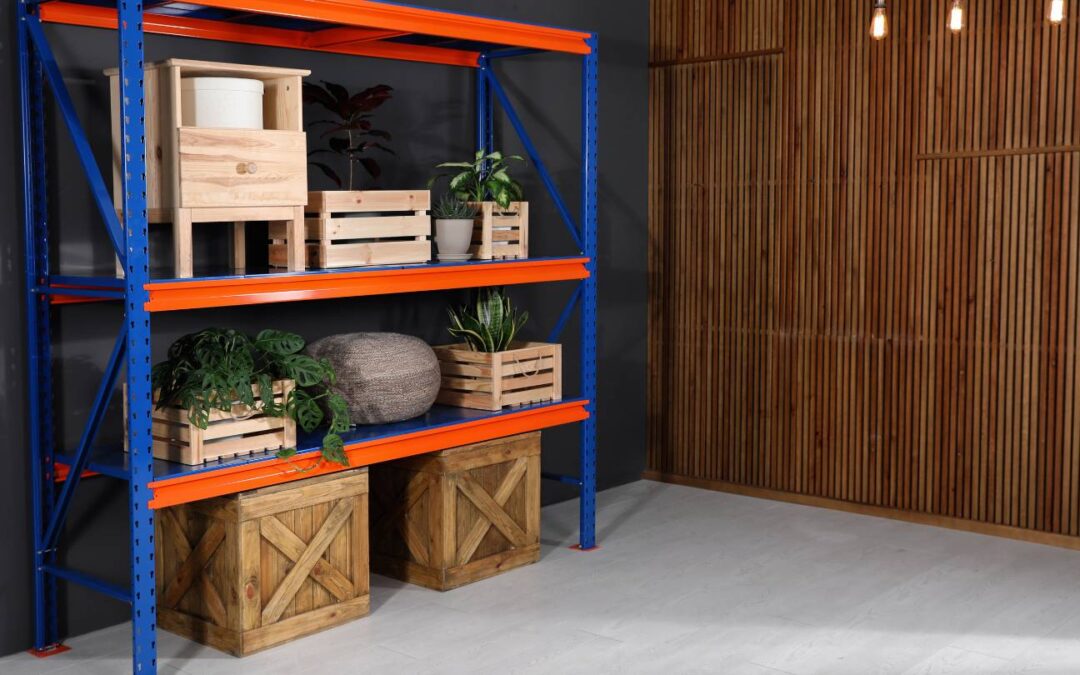
For the sake of safety and to avoid structural damage, it is imperative that you know and abide by the weight requirements for things kept on garage shelves. The majority of garage shelves have weight limits that are predetermined by the manufacturer.
Shelves might droop, become unstable, or even collapse if the weight is too high, endangering both people and their possessions. Make sure you read and adhere to the weight specifications for each shelf unit provided by the manufacturer. The product handbook or package will usually contain this information.
Avoid putting too much weight on any one shelf or part of a garage shelf by spreading it out equally. This will keep your belongings secure. For better stability, put heavy things on lower shelves and light things on upper ones.
Make it a habit to check the shelves on a regular basis for indications of stress, warping, or damage; if you find any, fix them right away. To keep the shelves from toppling over, you can attach brackets to them or fasten the unit to the wall, depending on the situation. Also think about the objects’ weights; for example, if you’re storing heavy tools and equipment, you might need shelves that can support additional weight.
Bins, containers, and organisers can help you spread the weight of your garage shelf contents and keep everything neat and tidy. This makes the garage more secure and helps keep everything tidy. Homeowners may assure the safety and lifespan of their garage shelves by being careful of weight constraints, appropriately distributing loads, and doing regular inspections. This will create a secure solution for diverse possessions.
Important Factors To Think About While Selecting A Garage Storage Solution
Dimensions Of The Garage
To make sure your containers, shelves, or overhead storage unit can fit comfortably in corners, along walls, and suspended from the ceiling, it’s a good idea to measure both your space and the storage options you’re considering, regardless of how big or little your garage is.
Sort Of Storage
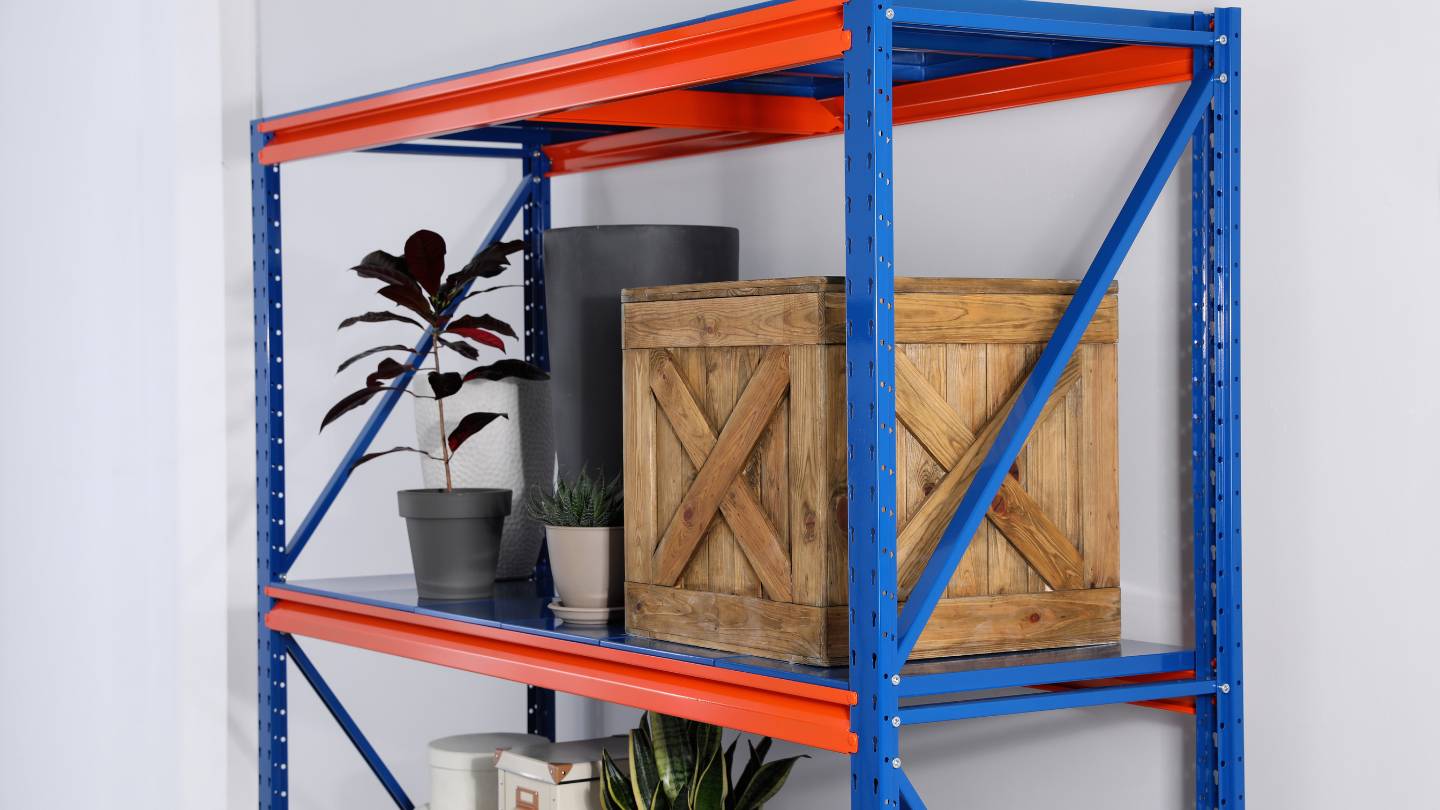
The things you need to store will have the most impact on the type of storage device you require. A wall-mounted bike rack is a great way to keep bikes off the floor, and pegboards are a simple way to arrange your tools and organise your garage’s vertical space.
If you need to conceal or protect a lot of equipment from the elements, heavy-duty storage containers or steel cabinets are great options. Overhead storage units are great for stowing away large goods like sleeping bags, vacation decorations, and travel bags, while wall-mounted racks and shelves are great for storing regularly used items and long pieces of equipment like surfboards and fishing poles.
All Of Your Storage Requirements
You should consider your needs, your budget, and your garage’s unique layout before deciding on a storage solution, as there are many great solutions available.
A Guide to Choosing the Best Garage Storage Solution
Having a disorganised garage is a major headache for homeowners, therefore it’s important to find a good storage solution. If you want to make the most of your garage space, keep your tools organised, and have simple access to them, you need the ideal storage system. A wide variety of storage system options are available to homeowners, including slatwall panels, cabinetry, wall-mounted track systems, and many more.
In the following, we will provide you with the information you need to select the best garage storage solution. Here, we’ll go over the advantages of slatwall panels for garage storage as well as the factors to think about while making your selection.
Think About Your Garage’s Dimensions
Take stock of your garage’s dimensions before you go shopping for a storage solution. If you want to know what size and kind of storage system will work in the room, you need to measure it precisely. Be sure to account for the room required for your cars as well as other necessary things like bicycles, gardening tools, and more.
Find Out How Much Space You Will Need
Finding out how much space you need in your garage is the first step in planning an appropriate storage solution. Think about the things you keep in your garage now and the things you might want to add to it down the road. This may encompass anything from tools and sporting goods to holiday decorations and home goods. To better understand what kind and how much space you’ll need for storage, compile a list of all of the goods and their dimensions.
Think About How Heavy The Things Are That Will Be Storing
Think about how heavy your belongings are before settling on a garage storage system. Shelves and cabinets may not be strong enough to hold tools, sports gear, and gardening materials, which are heavier than average. As a result, you won’t have to worry about your storage unit collapsing under the weight of all your belongings. Make sure not to put too much pressure on any one part of the storage system by spreading out the weight of your belongings.
Set Your Financial Limits
Garage storage systems can be expensive, so it’s important to keep your budget in mind while making your selection. Even little home improvements can add up. From basic shelving units to complex, fully-customizable systems, storage solutions come in all shapes and sizes.
Think about how much space you have in your garage, how much stuff you need to store, and how much money you have. A long-term investment in an effective and dependable system is in your best interest, therefore it’s crucial to strike a balance between price and quality.
Get To Know Each System’s Features
We will now go over the characteristics of each system after you have determined your budget, the size of your garage, and the amount of storage you will need. Consider the product’s adaptability, longevity, and ease of installation very carefully. Think about your garage and the things you need to store in it to determine which features will work best.
Evaluate Each System’s Budget And Expenses
Think about how much money you have to spend as you compare different storage systems. You may have to cut corners elsewhere in the project or in storage because a perfect solution is too expensive. Keep in mind that a long-term investment in a sturdy storage system can end up saving you money due to its longevity and capacity to neatly arrange your space.
Try To Find A Trustworthy Service
Buying a garage storage system from a dependable vendor is essential since renovating or equipping a garage with new storage may be a huge undertaking. Companies who have a solid reputation and a lot of favourable ratings should be your first choice. Check if the supplier has high-quality goods and great customer service in case you have any questions or need any help throughout the installation process or fixing any problems that may arise.
Benefits of Owning a Garage Storage System
The use of hanging storage systems, slatwall, and overhead racks may do wonders for the orderliness of a garage.
A clutter-free garage is the result of well-designed storage solutions that give everything a place. Also, with their help, keeping a garage organised is a breeze.
You may be ignoring the possibility of installing a garage cabinet system, one of several alternatives for increasing the storage capacity of your garage.
One common misconception is that garage cabinet systems aren’t practical for most homes. Maybe you lack the belief that such a purchase would be worthwhile because you don’t spend enough free time in the garage.
Someone with a large tool collection and a penchant for manual labour can give the idea that garages are the only places for storage cabinets.
Every garage can use a better organisation system, but those that see frequent carpentry or automobile repair work will find the most use for garage cabinets.
No matter your level of handyman skills, you should consider installing a garage cabinet system for your home for these seven obvious benefits.
Installation Of A Cabinet System In Your Garage Will Greatly Reduce Floor Clutter One Of The Undeniable Advantages Of Installing A Cabinet System In Your Garage Is That It Will Decrease Clutter.
Clutter on the garage floor is an annoyance anytime you have a two- or three-car garage, no matter how much space you have.
Whether you’re constantly stumbling over junk or can’t seem to find the tool you need, a garage cabinet system is a great way to keep everything off the floor and out of the way.
Your garage will appear and feel so much better when it’s organised with cabinetry and one of the storage systems we mentioned earlier, like slatwall panels.
Put away recycling bins and trash cans behind closed cabinets to keep the floor of your garage clear of clutter.
Enhance The Visual Appeal Of Your Garage
Garage cabinets could appear to be an item whose sole purpose is to provide storage space.
Having a garage cabinet system installed is great for more than just storage; it adds value and practicality to your property.
Do not underestimate the power of storage cabinets to transform the look of your garage’s interior.
It goes without saying that you’ll need to invest in a suitable cabinet system. A properly placed set of well-made, high-quality cabinets can completely transform the look of a garage’s interior.
The style of your garage can be elevated to new heights with the help of a garage cabinet system that permits personalisation. Custom choices like as a sink, backsplash, or TV inclosure add eye-catching, practical accents to your garage.
Safeguard Your Garage
In most cases, an unsafe garage is also one that is disorganised.
The garage is a hazard zone for trips and falls due to the disarray of tools propped against the walls and the dispersed goods on the floor.
In addition to the obvious risk of dents, scratches, and scuffs to your automobiles, a garage floor that is overly cluttered also increases the risk of harm to the things you have stored there.
Garage cabinets and other improved storage solutions can help you tame that mess and make your space safer.
A cabinet system with lockable doors and drawers is an excellent choice for storing the various toxic chemicals and other hazardous materials found in your garage. A few examples are:
containers of vehicle fluids, paints, solvents, fertilisers, insecticides, cleaning supplies, and more
Secure any sharp tools in your garage with locks on cabinet drawers and doors to make it even more childproof.
Increase Your Home’s Worth
Having a garage cabinet system will allow you to park your vehicles more simply inside, where they belong, by minimising or eliminating floor clutter.
As opposed to being a dumping ground for unwanted items, your garage is actually helping your family out and adding value year after year.
Any potential buyer will be impressed by a garage that requires no upkeep and provides convenient parking whenever you decide to sell your home. As a result, your home’s worth will increase.
The installation of high-quality garage cabinets gives any garage an air of professionalism and refinement. Prospective buyers will take note when contrasted with the unattractive appearance of a garage that is neat and organised, free of outdated décor and poorly constructed storage solutions.
A System Of Garage Cabinets Is Great For Organising Tools.
Without an adequate storage method, it becomes increasingly difficult to maintain order in an expanding tool collection. A large toolkit isn’t going to be enough after a while.
The following advantages of a well-organized tool collection can be yours with the purchase of a garage cabinet system:
Because you won’t have to waste time looking for tools, you’ll have more time to get things done.
Your work area will appear more organised.
Arrange your work area such that the tools you use most often are within easy reach.
Your screwdrivers, wrenches, hammers, and other tools will last longer if you organise them in a garage cabinet system with drawers and doors. Rust-inducing moisture, dirt, and dust will have less of an opportunity to settle on them.
The tools in your garage will stay dry, dust-free, and organised with a garage cabinet system.
Make Sure To Secure Valuable Tools.
Among your more expensive tools, you can find pneumatic (powered by compressed air) and cordless power tools.
You should also keep your costly air compressor, power generator, and a number of high-quality hand tools (which can cost hundreds of dollars each) in a safe place.
One alternative for garage storage is a system of cabinets with locks for the doors and drawers.
The additional cost for this personalised service will be justified by the reassurance you would have from knowing that your valuable instruments are safely housed.
Build A Workshop In The Garage
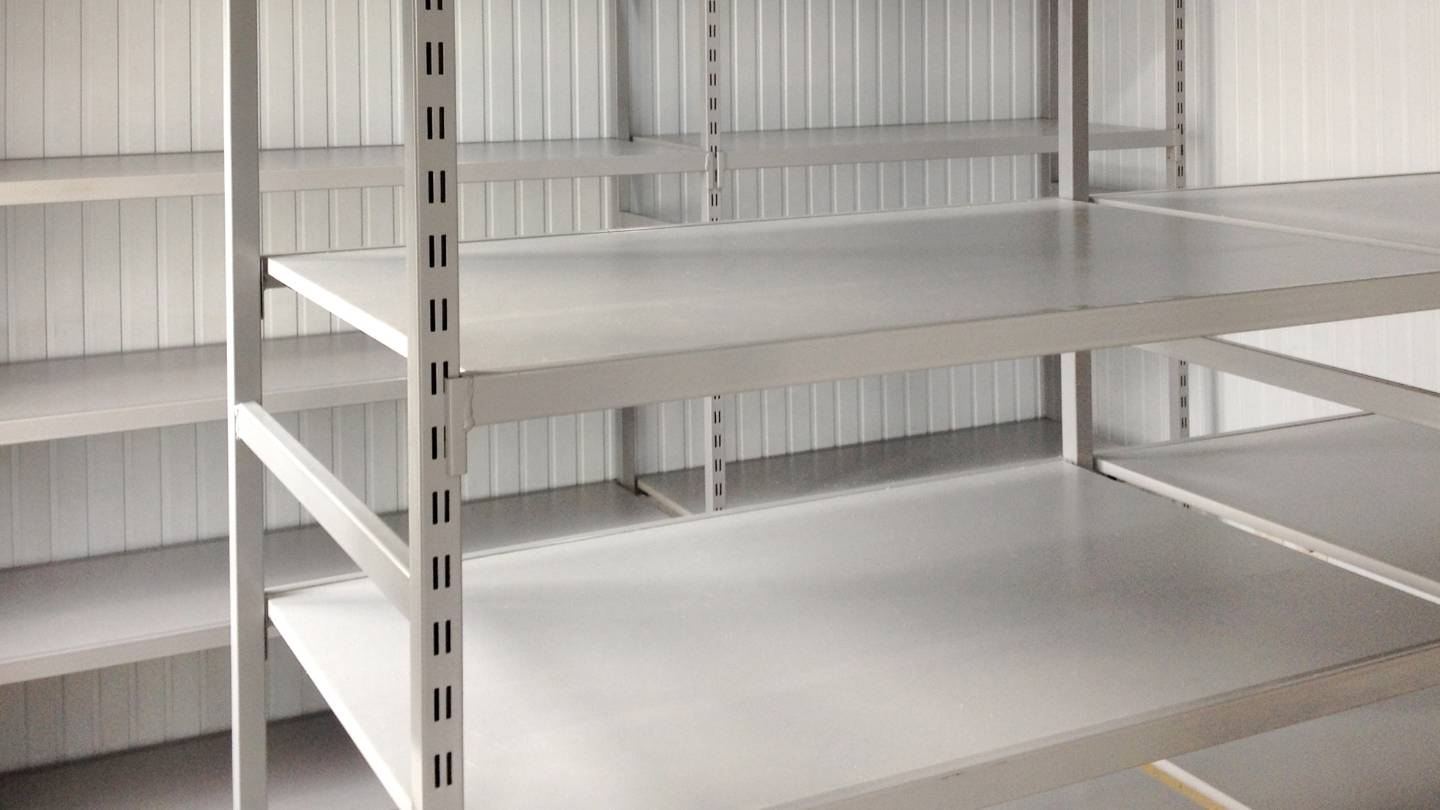
Although the majority of homeowners aren’t interested in converting their garage into a workshop, there are a few die-hard enthusiasts who would jump at the chance to do so.
Some people may choose to install garage cabinets so they may transform their space into a multi-use area, perhaps with a designated area for manual labour.
The fact that garage cabinetry may be tailored to each individual’s demands is sure to sway these homeowners to make a purchase.
If you have a garage or workshop, you need our sturdy GL Rally cabinets. A galvanised stainless steel top, durable 16-gauge steel structure, and specialised options for locks and a sink unit are all part of this system.
Conclusion
Garage shelves have weight limits that are predetermined by the manufacturer to ensure safety and prevent structural damage. To avoid this, it is essential to spread out the weight evenly on each shelf or part of a garage shelf. Regular inspections and regular checks can help maintain the shelf’s stability and longevity.
When selecting a garage storage solution, consider factors such as the size of your garage, the type of storage you need, your needs, budget, and garage layout. Slatwall panels are an excellent option for organizing tools and keeping them easily accessible. Other options include cabinetry, wall-mounted track systems, and slatwall panels.
When shopping for a storage solution, take stock of your garage’s dimensions, determine the amount of space needed, consider the weight of your belongings, set your financial limits, understand each system’s features, evaluate each system’s budget and expenses, and try to find a trustworthy vendor. Companies with a solid reputation and positive ratings should be your first choice for garage storage solutions.
In summary, choosing the best garage storage solution involves considering factors such as the size of your garage, the type of storage you need, your budget, the features of each system, and finding a trustworthy vendor. By considering these factors, you can ensure the safety and longevity of your garage storage system and maintain a clean and organized space.
A garage storage system can greatly improve the orderliness and functionality of your garage. It can reduce floor clutter, enhance the visual appeal of your garage, and make it safer for your belongings. Installing a cabinet system can also add value and practicality to your property, as well as personalize the look of your garage’s interior. Custom choices like sinks, backsplashes, or TV enclosures can add eye-catching, practical accents to your garage.
An unsafe garage is one that is disorganized, making it a hazard zone for trips and falls. A garage cabinet system with lockable doors and drawers is an excellent choice for storing toxic chemicals and other hazardous materials. Locks on cabinet drawers and doors make it even more childproof.
Having a garage cabinet system allows you to park your vehicles more simply inside, increasing your home’s worth. The installation of high-quality garage cabinets gives any garage an air of professionalism and refinement, which will be noticed by prospective buyers.
Organizing your tools in a garage cabinet system allows you to have more time to get things done, make your work area appear more organized, and keep your valuable tools dry, dust-free, and organized. Secure your pneumatic and cordless power tools, air compressors, power generators, and hand tools in a safe place with a garage cabinet system.
Converting your garage into a workshop can also be beneficial for homeowners who want to transform their space into a multi-use area with a designated area for manual labour. Garage cabinetry can be tailored to each individual’s needs, making it an attractive option for those with a garage or workshop.
Content Summary
- It’s crucial to adhere to weight limitations for garage shelves to prevent accidents.
- The majority of garage shelves come with predetermined weight limits set by manufacturers.
- Exceeding weight limits can lead to drooping, instability, or collapse of shelves.
- Regularly check shelves for signs of stress, warping, or damage.
- Distribute weight evenly across shelves for better stability.
- Place heavy items on lower shelves and lighter ones on upper shelves.
- Consider additional support like brackets or wall fastening for stability.
- Use bins, containers, and organizers to spread weight and maintain tidiness.
- The safety and lifespan of garage shelves depend on adhering to weight limits.
- Measure garage dimensions and storage options for a comfortable fit.
- Types of storage needed depend on the items to be stored.
- Consider budget, needs, and garage layout when choosing storage solutions.
- Slatwall panels, cabinetry, and wall-mounted track systems are options.
- Disorganized garages can benefit from well-designed storage solutions.
- Various storage systems offer versatility, durability, and ease of installation.
- Assess budget, size of garage, and storage needs when choosing systems.
- Look for reliable vendors with high-quality products and good customer service.
- Hanging storage systems and Slatwall panels can organize garages effectively.
- Garage cabinets reduce floor clutter and improve visual appeal.
- Cabinets add value and practicality to the property.
- Organized garages are safer and reduce the risk of accidents.
- Lockable cabinets safeguard hazardous materials and tools.
- A well-organized garage adds value to the home.
- Garage cabinets are essential for organizing tool collections.
- Organized tools save time and prolong their lifespan.
- Garage cabinet systems protect valuable and expensive tools.
- Cabinets with locks provide secure storage for costly equipment.
- Garage cabinets can transform the space into a functional workshop.
- A galvanized stainless steel top and durable structure are features of GL Rally cabinets.
- Australian homeowners must consider weight limits for garage shelves.
- Distribute weight evenly across shelves to prevent instability.
- Regularly inspect shelves for signs of damage or stress.
- Choose storage solutions based on garage dimensions and needs.
- Budget, garage size, and storage requirements influence the choice of system.
- Hanging storage systems and Slatwall panels improve garage organization.
- Garage cabinets reduce clutter and enhance visual appeal.
- Organized garages are safer and add value to homes.
- Lockable cabinets provide security for hazardous materials and tools.
- High-quality cabinets contribute to a professional workshop environment.
- GL Rally cabinets offer durability and specialized options for garage workshops.
- Adhering to weight limits prevents shelf instability and collapse.
- Even weight distribution across shelves ensures stability.
- Proper maintenance and regular inspections prolong shelf lifespan.
- Choose storage solutions based on garage dimensions and needs.
- Consider budget and storage requirements when selecting systems.
- Hanging storage systems and slatwall panels optimize garage space.
- Garage cabinets enhance organization and visual appeal.
- Well-organized garages increase safety and property value.
- Lockable cabinets secure hazardous materials and valuable tools.
- GL Rally cabinets offer durability and customization options for workshops.
FAQS About Garage Storage
Can I Add Insulation To An Existing Garage Door, And How Does It Improve Energy Efficiency?
Yes, you can add insulation to an existing garage door. Insulating your garage door helps regulate temperature, making it more energy-efficient. Kits with foam board insulation or reflective barriers are commonly used. Insulation reduces heat transfer, making the garage more comfortable and potentially lowering energy costs, especially if the garage is connected to the home.
What Measures Can I Take To Prevent Pests And Rodents From Entering My Garage?
Preventing pests and rodents involves sealing potential entry points, such as gaps around doors and windows. Ensure that the garage is well-sealed to the exterior. Consider using weatherstripping and installing door sweeps. Keep the garage clean, remove food sources, and store items in sealed containers. Consider using pest deterrents or consulting with a pest control professional.
Are There Any Safety Guidelines For Storing Hazardous Materials In The Garage?
Storing hazardous materials in the garage requires careful consideration. Follow safety guidelines for proper storage of items like paints, solvents, and chemicals. Use designated storage containers and keep them tightly sealed. Store hazardous materials away from heat sources and ensure proper ventilation. Follow manufacturer instructions for disposal and consider consulting local regulations for hazardous waste disposal.
Can I Convert My Garage Into A Home Gym, And What Considerations Should I Keep In Mind?
Converting your garage into a home gym is a popular option. Consider factors like flooring suitable for workouts, proper ventilation, and adequate lighting. Ensure the space is well-insulated for comfort. Plan for equipment storage and create a layout that maximizes functionality. Install mirrors to enhance the feeling of space, and consider soundproofing measures if needed.
How Can I Deal With Garage Door Noise During Operation?
Garage door noise can be reduced by regularly lubricating moving parts such as rollers, hinges, and springs. Consider using a lubricant specifically designed for garage doors. Inspect and replace any worn or damaged components. If the noise persists, consider installing a noise-dampening kit or consulting with a garage door professional to identify and address the source of the noise.