
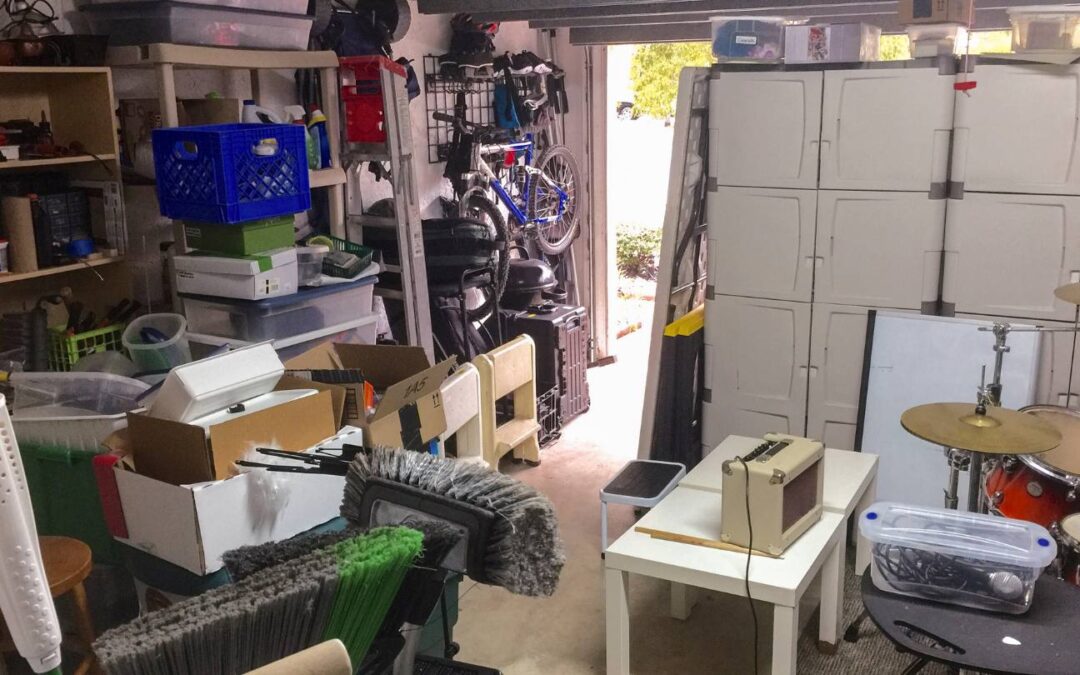
One of the largest storage areas in your home, the garage is usually the most disorganised and underutilised. There’s no need to feel overwhelmed by the prospect of increasing and optimising the storage space in your garage; the following steps will turn you into a storage solutions pro in no time.
Following these steps, you may design your bespoke garage with optimal storage options, such as wire racks, shelving, built-in cabinets, workbenches, and overhead storage.
Maximise Your Garage’s Storage Potential
Step One: Eliminate The Clutter
Organising a garage is not a one-size-fits-all task because no two garages are alike. Getting your garage in order requires the first step of clearing out the clutter. Use a section of your driveway as a staging area for sorting as you clean your garage. Create garage storage stations by creating piles of like items; for example, you can categorise your sports equipment, fishing supplies, tools, painting supplies, car cleaning products, and other household items into distinct piles. You’ll better understand what you have and what kind of garage storage solutions you need once you’ve sorted everything into neat piles.
Step Two: Complete Garage Tidying, Top To Bottom
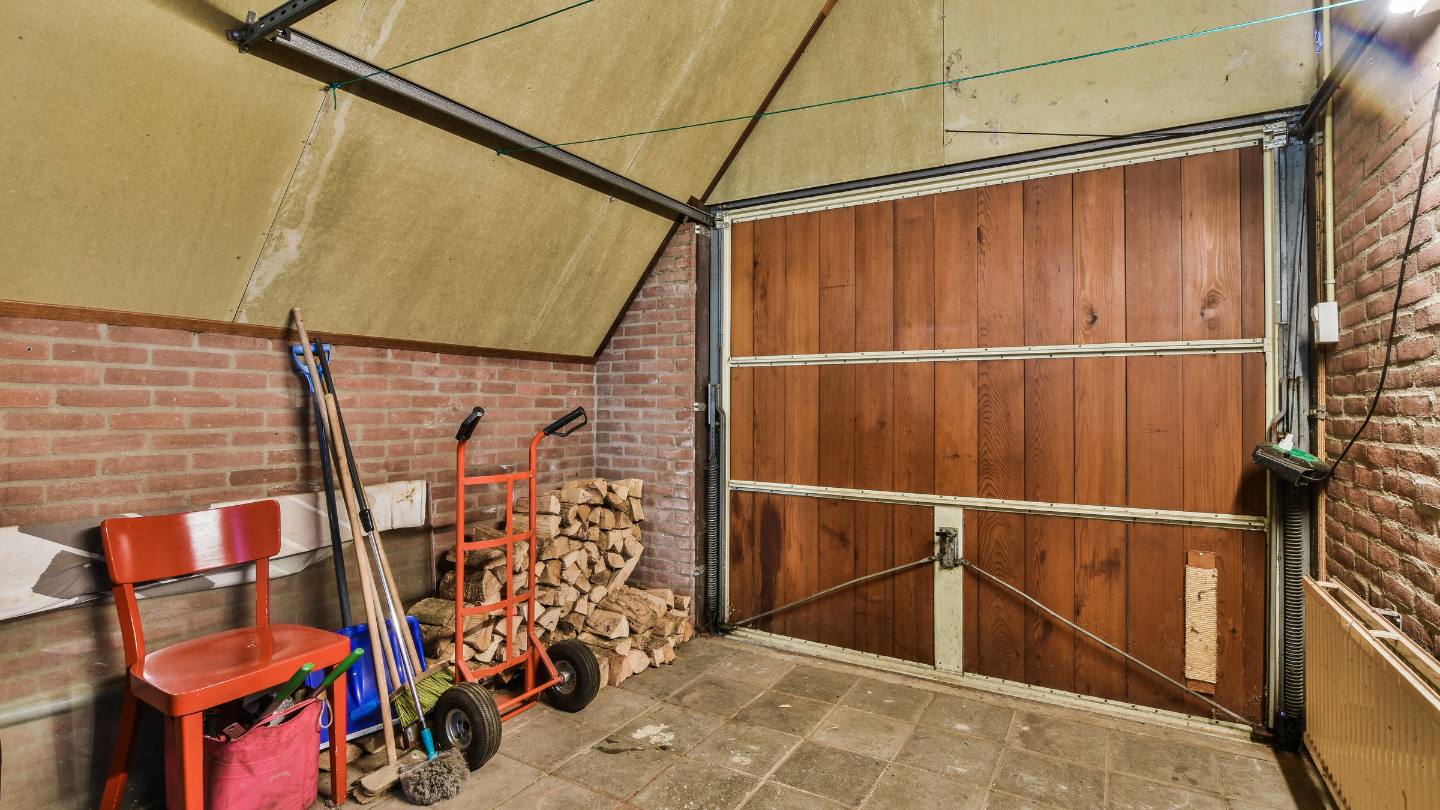
The garage floor and any existing garage shelving or storage places can be cleaned now that everything is in its proper place. Work your way down from the ceiling. Get down on the floor after you’ve swept the cobwebs off the garage shelves. You can attain that showroom shine by mopping or hosing down an epoxy garage floor. When organising anything in your home, the first step should always be to tidy the area.
Step Three: Think Up
A wide variety of options are available regarding the overhead storage space in a garage. It is possible to install a track system for labelling bins by attaching a pair of 2x2s to the ceiling frame. This will make it much easier to store and retrieve the containers. Cabinetry and shelves for the garage can be constructed into a bespoke garage up to the ceiling.
When determining where to put things, remember that items used less frequently should be placed on higher shelves, while items used more frequently should be placed lower on the shelf. Storage for a longer period, seasonal objects and holiday decorations should be kept on the highest shelves possible and in the garage cabinets that are the deepest.
Step Four: Get The Garage Organised
You can install monkey bars to keep items off the ground in the garage. When maximising your storage potential, look no further than the Monkey Bar storage systems. You can alter the size and number of hooks or bars to meet your needs. The ability to adjust your Monkey bar storage system as your demands evolve is a significant benefit.
Advice To Make The Most Of Your Garage Space
Maximise The Wall Space In Your Garage
Utilising the walls of your garage as storage space is one of the most time-efficient and productive ways to reduce the amount of clutter in your life. Shelving, hooks, cabinets, and baskets are just a few examples of the many different types of custom storage choices available for garages. There are innumerable ways you can modify your garage’s layout by utilising these vertical storage solutions.
Depending on whether or not you are the type of person who enjoys tinkering, you can install either a slatwall or a folding workstation. Thanks to the available heavy-duty hooks, you can become a weekend yard warrior by storing everything from rakes and shovels to wheelbarrows and edgers in your garage. Along a single wall in your garage, install garage shelves, cabinets, hooks, and a workbench to keep various goods out of boxes and within easy reach.
Wall Storage Systems And Hooks
Installing a wall or track storage system in your garage is a simple and efficient way to get everything in order quickly. Cabinets, shelves, and baskets are common components of garage organisation systems. They may be adapted to your preferences and fit the system with a simple snap. Some varieties of hooks are standard across all manufacturers, but the accoutrements made for each system are special.
There is a wide variety of wall organisers available. Find a wall storage system that offers the components you need. If you don’t want to construct a whole wall storage system in your garage, easy choices include hose racks and ladder hangers.
Pegboards For Tool Storage
Pegboards are perfect for your garage if you want to show off your collection of tools. If you want to avoid showing off your complete tool collection, pegboard is great for organising the little things that don’t fit anywhere else. Pegboards are versatile storage solutions that may be purchased in various materials and hues.
Keys, nails, sticky tape, nuts and bolts, screwdriver holders, and paper towel holders are just some of the many things that can be hung from them. Installing a pegboard system on an empty wall in your garage is a smart method to organise your tools.
Tool Holders And Racks
If you have a little space in your garage but like using a pegboard to organise your equipment, tool holders and racks might be the best option. These sheds are perfect for a beginning home or apartment since they provide adequate storage space even when the homeowner or tenant does not have a lot of items to store.
The vast majority of holders and racks for tools are tiny, measuring no more than 24 inches long, and may be fastened to the wall or a tool drawer using powerful magnets. On the other hand, if you have several tools you need to have within reach at all times, this might be the solution you’re searching for.
Include Larger Item Storage Bins And Garage Shelving
Installing shelves in the garage is a quick and easy way to acquire additional storage space. You can select freestanding open-shelf units or mount them on the wall instead. Shelving may be built virtually anywhere in a garage, so it doesn’t matter how you want to use the space; you’ll still find it handy.
A vast selection of garage shelves is available, ranging from compact plastic shelves to enormous metal shelving units that cover the entirety of the wall. If you cannot find solutions that suit your needs, you should build shelves for your garage. There is a wide variety of do-it-yourself and low-cost options to choose from. The ideal storage area can be designed and constructed by the homeowner; nevertheless, it is essential to keep in mind that the empty corners of the garage have a lot of storage potential currently being underutilised.
Overhead Storage In The Garage Ceiling
To free up floor space in your garage, try raising the ceiling. The garage ceiling is often overlooked when looking for places to put extra stuff. You can install racks above your garage door to keep heavy goods from cluttering the ground.
Utilising the dead air space above your head is an excellent method to store items like holiday decorations, books, and out-of-season clothing. When used with watertight plastic containers, you’ll have a space-saving option for keeping your additional belongings out of the way and close at hand.
A Quality Workbench Is A Wise Investment
Installing a customised workbench would benefit any do-it-yourselfer who also utilises their garage as a storage space and a place to park their vehicle. If you have a workbench in your garage specifically built to integrate with the storage system there, you will be able to store all of the tools you use most frequently in a single, easy-to-access spot.
If you have a custom workbench outfitted with drawers and cabinets, you can store all of your tools and materials in a single, easily accessible spot. Have a good time mucking around and putting things right! You’ll need a sturdy workbench in the garage if you intend to get any work done there, but unfortunately, those things take up a lot of space.
Folding Workbenches
Lighter and more portable foldable workbenches are perfect for tight spaces combined with well-planned wall shelving. They’re great alternatives to taking your car or bike to the mechanic for routine maintenance you can handle during the off-season or on the fly.
Although there are reasonably priced choices, this is one instance where doing it yourself might be preferable. You can design a foldable workbench to match your specific needs.
Ensure you have enough space to keep all your tools if you intend to put them away after each usage. Even if you have a foldable bench that hangs on the walls, you’ll still need storage.
Mobile Workbenches
Smaller workbenches with casters that you can move wherever you need are called mobile workbenches. If you’re anything like me, you probably have several projects going at once. With a portable workbench, you may continue where you left off without having to put away all of your tools at the end of each day. You may move the workbench anytime to access anything better because it is on wheels.
Adjustable And Sliding Shelves
If you only use your garage for certain projects during certain times of the year, you can save space by installing shelving that can be adjusted up or down. They are so adaptable that you may mount one on top of your portable or collapsible workbench to keep your auxiliary equipment out of the way. Sliding shelves built into the walls of your office are a great way to conceal your belongings if you want a less cluttered environment. If you can’t see it, you won’t remember it.
Additional Garage Storage Ideas
It takes work to maintain order in a small garage. However, a clean, secure garage is essential. We can all relate to the feeling that a clean, tidy garage may become cluttered again. Here are a few garage storage options for organising your garage if you’re at a loss rapidly.
Stack Your Totes And Bins
Rubber garbage cans and plastic containers are included in this category. Garbage cans that stink in the garage are an eyesore and a magnet for vermin. Disorganised bins will reverse your intended action of making more room in the garage. Place the containers and bins on the designated shelves or racks. It’s a good idea to label them so that anyone can readily identify the contents.
Store Away Power Tools
It’s convenient to have a cordless drill or screwdriver on hand. Still, you won’t use them often unless you’re always working on projects or repairing vehicles. Your garage may need more room for your power tools and their chargers.
Organisers For Wire And Nails/Screws
Regardless, it is important to think ahead and safely store items such as nails, wires, and screws.
Conclusion
Using your garage space to its fullest is an easy and effective way to get your home in order. Start by getting rid of waste by putting things in piles and putting them in piles. Clean the concrete garage floor and any shelves that are already there with a mop or a hose. Consider putting bins, cabinets, and shelves on track systems that hang from the ceiling in the garage. Things you use less often should go on higher shelves, while things you use more often should go on lower shelves.
Use monkey bars to keep things off the floor in the garage as well. You can change these storage methods to fit your needs, and you can change them as your needs change. You can make the most of the wall area in your garage by putting up shelves, hooks, cabinets, and baskets. Installing hooks and storage systems on the walls is a quick way to get everything in order. Wall organisers come in many shapes, sizes, and colours, and pegboards are a great way to store and organise small things.
Organising your garage is an easy and effective way to make the most of the space you have for storage. By following these steps, you can build a custom garage with the best storage choices, like wire racks, shelving, built-in cabinets, workbenches, and storage in the ceiling.
Toolboxes and racks are great for small garages because they can hold a lot of different things. They are great for people who don’t need a lot of storage space because they can be attached to the wall or a toolbox with strong magnets.
Shelves in the garage can stand on their own or be attached to the wall, giving you a lot of choices. Raising the ceiling can also make more room on the floor, which is great for putting big things. Custom desk systems can put tools that are used often in one place that is easy to get to. Foldable workbenches are light and easy to move, which makes them great for small areas and well-designed wall shelves. Mobile workbenches are smaller workbenches on wheels that can be moved from one place to another. This makes them great for a variety of projects.
You can save space by putting adjustable and moving shelves on top of your workbench or building them into the walls of your office. This will make the area less cluttered. You can also hide things behind sliding shelves that are built into the walls.
Some other ways to store things in the garage are to stack trash cans and plastic bins, put away power tools, and organise wire, nails, and screws. These storage options help you keep your garage clean and organised. By using these storage ideas, you can make your garage a clean, safe, and well-organized place that is both useful and easy to use.
Content Summary
- The garage is often the most disorganised area of the home, but it has great storage potential.
- Clearing out clutter is the first step to maximising garage storage.
- Using your driveway as a staging area can help in the sorting process.
- Categorising items like tools, sports equipment, and painting supplies helps identify storage needs.
- After decluttering, clean the garage from top to bottom to prepare it for new storage solutions.
- Overhead storage options, such as track systems for bins, can maximise ceiling space.
- Built-in cabinets can stretch up to the ceiling for extra storage.
- Items used less frequently should be stored on higher shelves.
- Seasonal objects and holiday decorations are best kept in deep garage cabinets.
- Installing monkey bars can help keep items off the garage floor.
- Utilise wall space effectively with shelving, hooks, and cabinets.
- Slatwalls or folding workstations are good options for those who tinker in the garage.
- Heavy-duty hooks can store garden tools like rakes and shovels.
- Wall storage systems offer cabinets, shelves, and baskets for organised storage.
- Pegboards are versatile solutions for tool storage and can be customised in various materials and colours.
- Tool holders and racks are compact storage solutions and can be fixed to walls or drawers.
- Small tool holders often come with powerful magnets for easy mounting.
- Installing freestanding or wall-mounted shelves can quickly increase storage space.
- DIY and low-cost shelving options are widely available.
- The empty corners of the garage offer underutilised storage potential.
- Overhead racks above garage doors can free up valuable floor space.
- Utilise ‘dead air’ overhead for storing items like books or out-of-season clothing.
- Watertight containers can be used in overhead storage for extra protection.
- A custom workbench integrated with storage systems can centralise tool storage.
- Folding workbenches are suitable for tight spaces and are easily storable.
- Mobile workbenches on casters are ideal for multi-project work environments.
- Adjustable and sliding shelves offer dynamic storage options based on seasonal needs.
- Stackable totes and bins can be placed on designated shelves for better organisation.
- Label your bins and totes to make items easier to find.
- Storing away power tools can free up more room in the garage.
- Organisers specifically for nails, wires, and screws can prevent clutter and improve safety.
- Wall storage systems can be customised to fit your unique needs.
- Cabinets, hooks, and a workbench along a single garage wall can centralise storage.
- Monkey Bar storage systems are adaptable and can be changed as your storage needs evolve.
- A quality workbench is a wise investment for any DIY enthusiast.
- Freestanding open-shelf units offer quick and easily accessible storage solutions.
- Folding workbenches are cost-effective and are good DIY projects.
- Mobile workbenches can be moved around for better access to ongoing projects.
- Sliding shelves built into garage walls offer a cleaner, less cluttered look.
- Track systems for bins can be installed into the garage ceiling frame for efficient overhead storage.
- Heavy-duty hooks can also store larger items like wheelbarrows and edgers.
- Overlooked ceiling space in the garage can be utilised for additional storage.
- Pegboards can store small items like keys, nails, and sticky tape.
- Hose racks and ladder hangers are easy options if a full wall system isn’t desired.
- Store frequently used items on lower shelves for easier access.
- Long-term storage items should be placed on the highest shelves possible.
- Organising a garage requires a tailored approach, as no two garages are alike.
- Power tool chargers can also be stored to free up space.
- For small spaces, consider lighter and more portable foldable workbenches.
- Maintaining a tidy garage requires continuous effort, but it’s essential for a clean and secure environment.
Frequently Asked Questions
What Can You Store In Your Garage?
Everything from motor oil to wiper fluid can make it home in your garage. It’s also a good place to keep the tools you need for your car, such as jacks and tire inflators. Bike racks and roof racks can be stored here, although you may want to hang these on the wall or from the ceiling.
Is A Garage Good For Storage?
If you need to store any items you rarely use, the garage—like the basement or attic—is often a great place to hide them. The garage can also be a good temporary storage spot for items you ultimately plan to get rid of and items that don’t have another home.
What Is A Garage Storage System?
Garage wall storage systems come in a variety of forms. The most common types are slatwall, pegboard, permanently anchored hangers and hooks, and wall-mounted track systems. Slatwall is the best garage storage system for your walls.
What Are The Categories For Garage Storage?
Categorize the items in your garage. Typical categories include recycling, sports and recreational equipment, camping gear, automotive, seasonal decor, garden gear and tools. Evaluate things like luggage and paint and see whether you can store them elsewhere.
What Is The First Step In Organizing A Garage?
The first step to organizing your garage is pulling everything out of the space. Once you’ve done this, determine what you’ll be using your garage for. It could be storage, a car park, a home gym, a workshop, a household backstock, or even a laundry room.