
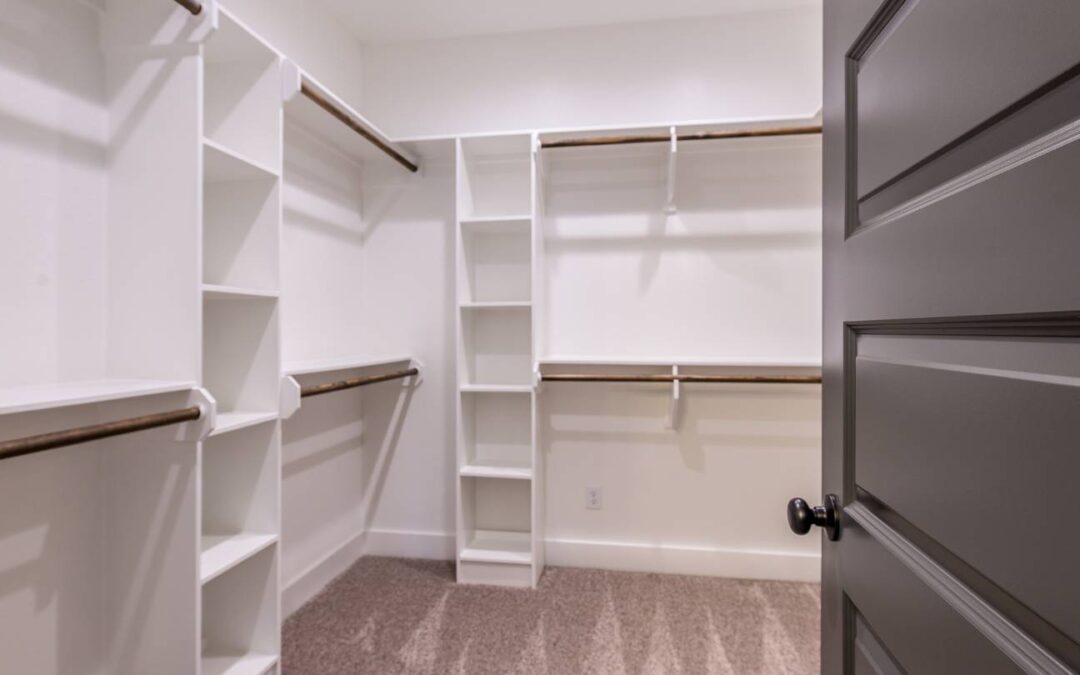
Despite the unique creative canvas that tall ceilings provide, making good use of the plentiful vertical space can be a problem. The purpose of this book is to assist you in making the most of your tall interior spaces by exploring inventive shelving concepts, design concerns, and practical solutions.
This exploration will show you how to make the most of your high ceilings, whether you want to add storage, display decorations, or make a multipurpose room. As we explore the possibilities of vertical design, let’s take your living spaces to new heights, both metaphorically and literally.
Importance Of Maximising Vertical Space
Improving The Ergonomics Of The Space
Simply said, ergonomics is the science and art of making buildings and workplaces more conducive to human performance. Whether it’s products or files, storage plays a significant part in ergonomics because employees will probably need to access them frequently.
From an ergonomic standpoint, vertical storage offers a lot to offer. Instituting systems and order can help make better use of the existing space, make storage equipment contents more accessible, and decrease the need for lifting and reaching.
Freeing Up Available Space
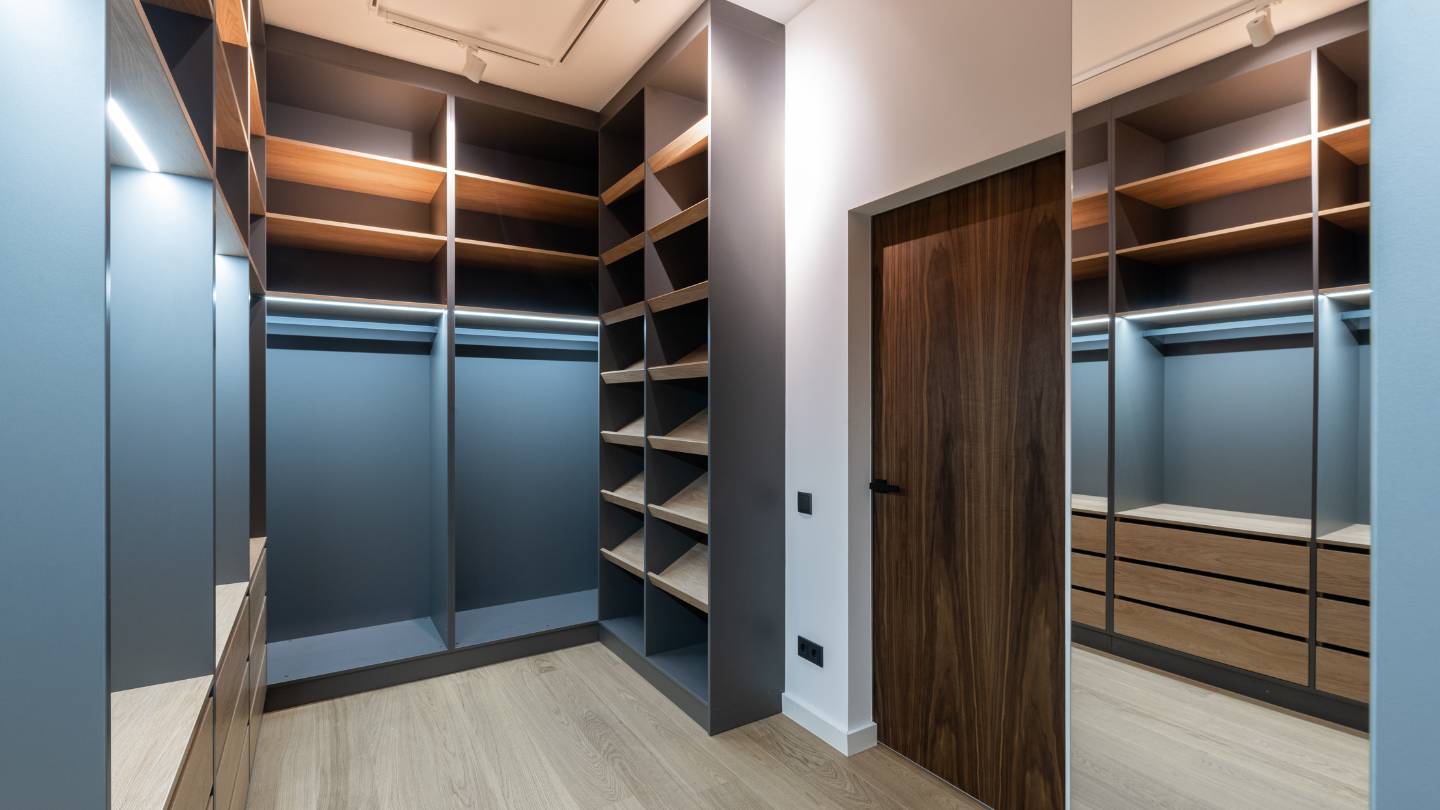
Using more vertical space allows you to free up more horizontal space, which is perhaps the most apparent advantage of vertical storage. Vertical storage allows any company to discover more area, whether that’s for employees or revenue-generating activities, instead of wasting space that may necessitate more expenditure on larger premises.
Improving Accuracy
When it comes to inventory management, specialised vertical storage may greatly enhance accuracy. This aspect of stock management is much improved by modern software and controllers.
Increasing Security Within The Business
Among its numerous uses, modern vertical storage containers may provide enhanced security for stored items. A comprehensive list of all users who have had access can be obtained with the use of choices for implementing accountability. It takes relatively little effort to set up an access control element.
You can restrict access to sensitive information so that only authorised users can access it by using passwords and similar security measures. With data protection standards on the rise, it is crucial to implement stronger security measures, and vertical storage systems can help achieve that.
Operational Efficiency
With vertical storage, getting what you need is a breeze, and you’ll never have to wait as long. You won’t have to waste time or energy searching or asking for directions because everything is clearly labelled and easy to discover. When storage is in high demand, this could bring about considerable productivity improvements for the company. In order to get from one work to the next quickly, basic training can make sure that employees know where to find what they need.
Pros Of Tall Ceilings
Raising your ceiling height can improve your home’s aesthetics and functionality. Depending on your own tastes, the room’s design, and any functional advantages that higher or lower ceilings may provide, these can help you make an informed decision about the room’s structural layout.
More Room For Aesthetic Elements
A high ceiling may not be as useful for practical reasons as it is for aesthetic ones, though. Having said that, aesthetics are important because they greatly influence the ambience of the space. You can’t afford to ignore the negative impact that a poorly planned space might have on your emotional and physical health.
If your ceilings are high, you have more room to play around with design elements and make them your own. Because they are shorter, low ceilings make it difficult to decorate the walls. Also, rooms with low ceilings don’t work for enormous pictures or other ornaments since they look too imposing.
Thankfully, this isn’t an issue in many contemporary house plans with lofty ceilings; in fact, lofty ceilings are a hallmark of modern interior design. With high-ceiling walls, though, you’ll have a lot of room to play around with in terms of design.
Extra Headroom
There are a lot of people in the house who get claustrophobic, so having double-height ceilings isn’t just for show. Unless you suffer from severe anxiety in cramped quarters, I don’t think you’d really value the additional headroom that comes with a home with high ceilings. Having low ceilings can make a space feel cramped, particularly if you were previously accustomed to taller ceilings. Everything appears to be so little and constrained.
The added space and comfort of a high-ceilinged home are palpable even to those who have never experienced it firsthand. Once again, having a higher roof is just preferable; having enough area above your head brings a general sense of happiness and ease.
Plenty Of Natural Light
Let the sunshine shine in and transform your space. The room will appear gloomy and unwelcoming if there is little natural light. In the mornings and afternoons, it can be overpoweringly bright if used in excess. The existence of curtains makes even a small amount of natural light preferable to complete darkness. The larger walls make it possible to install panoramic windows, which is why houses with high ceilings and roofs are ideal in this regard.
Panoramic windows are very large and let in a great deal of natural light. A property with lower ceilings can still have them constructed, although walls that can support these greater apertures are preferable. In order to enjoy panoramic windows, high ceilings are an absolute must.
Cons Of Tall Ceilings
Interiors with high ceilings may appear to be a win-win, but there are a few drawbacks to think about. While these may be discouraging when considering a home with high ceilings for construction or purchase, there are ways around some of the drawbacks that could end up being beneficial to you.
Noise And Echo
As soon as you step foot in a space with high ceilings, one of their most obvious issues becomes apparent. While it may not seem like a big deal at first, the constant echoing of your footsteps will eventually get to you. It will also become annoying very fast to hear your own voice reflected back at you even when you speak at a perfectly normal volume.
Soundproofing panels placed on certain walls can lessen the echoing effect of an entertainment centre when placed in a room with high ceilings. There are, on the other hand, home audio systems that can counteract this. Another option is to lay carpeting, which acts as an acoustic dampener by absorbing part of the sound waves.
Remember, nevertheless, that these alterations may not mesh with your taste in interior design and could obstruct your artistic goals. Therefore, lower ceilings can be a better option if you’re easily disturbed by echoes and loud interiors, and you’ve tried everything else without success.
Difficulty With Heating
Physics is not a subject that anyone will tell you is easy to grasp. However, some universal facts are really simple. One of the reasons is that it becomes more difficult to heat a room with increased square footage. For spaces with lofty ceilings, this is an absolute must. A room with higher ceilings gives the impression of more space. Because heat rises, and most heaters are located on the floor, it becomes considerably more difficult to heat up a room with a high ceiling.
Homeowners can increase the temperature at the ceiling by utilising space heaters, repositioning air vents so that they blow higher, or just allowing an abundance of natural light to enter the room. But these workarounds aren’t perfect, and the space may still seem chilly. Extra work to heat a home with high ceilings can be in order if you’re expecting a cosy atmosphere.
Additional Maintenance
Certainly, you’ll have plenty of room to express your individuality and style in the room, thanks to the additional wall space. However, the additional duty of cleaning and maintaining them comes with those opportunities. Your higher walls are less likely to sustain damage from scratches, stains, and chipping than your lower ones because they are more easily reached.
Ways To Use Your Vertical Space
Vertical Cabinetry
Finding enough storage space is a problem for any homeowner, but it’s particularly acute in high-traffic areas like the kitchen and bathroom. The answer? Taking a top-down approach. A growing number of people are opting to outfit their functional rooms with sleek, contemporary vertical cabinets that reach all the way to the ceiling. This is a great way to make use of otherwise wasted space.
A contemporary solution that makes the most of underutilised areas is vertical cabinets that reach the ceiling. We may get more storage and a more modern look by making use of the space between the cabinets and the ceiling, which is generally wasted in traditional kitchen designs. The same holds true for bathrooms; with the correct design, towering cabinets can conceal necessities without sacrificing floor space.
Use Tall Bookshelves
Tall bookcases are an elegant and practical option. They are useful for storing essentials, but they also let homeowners make use of the often-overlooked vertical space.
Although they serve their purpose, traditional, broader bookshelves can take up too much space in your room. The vertically ascending bookshelves, on the other hand, make excellent use of the room’s height. In smaller dwellings, such as apartments, this becomes extremely important. You may maximise storage capacity without sacrificing floor space by choosing height over breadth.
Another way to add a personal touch to any space is with tall bookshelves. A floor-to-ceiling bookshelf transforms from a functional storage unit into an enthralling focal point when stocked with vibrant books, ornaments, and personal heirlooms. The verticality of a room can be emphasised just by having such a shelf there; it can provide the impression of more space and lead the attention upward.
Install Floating Shelves
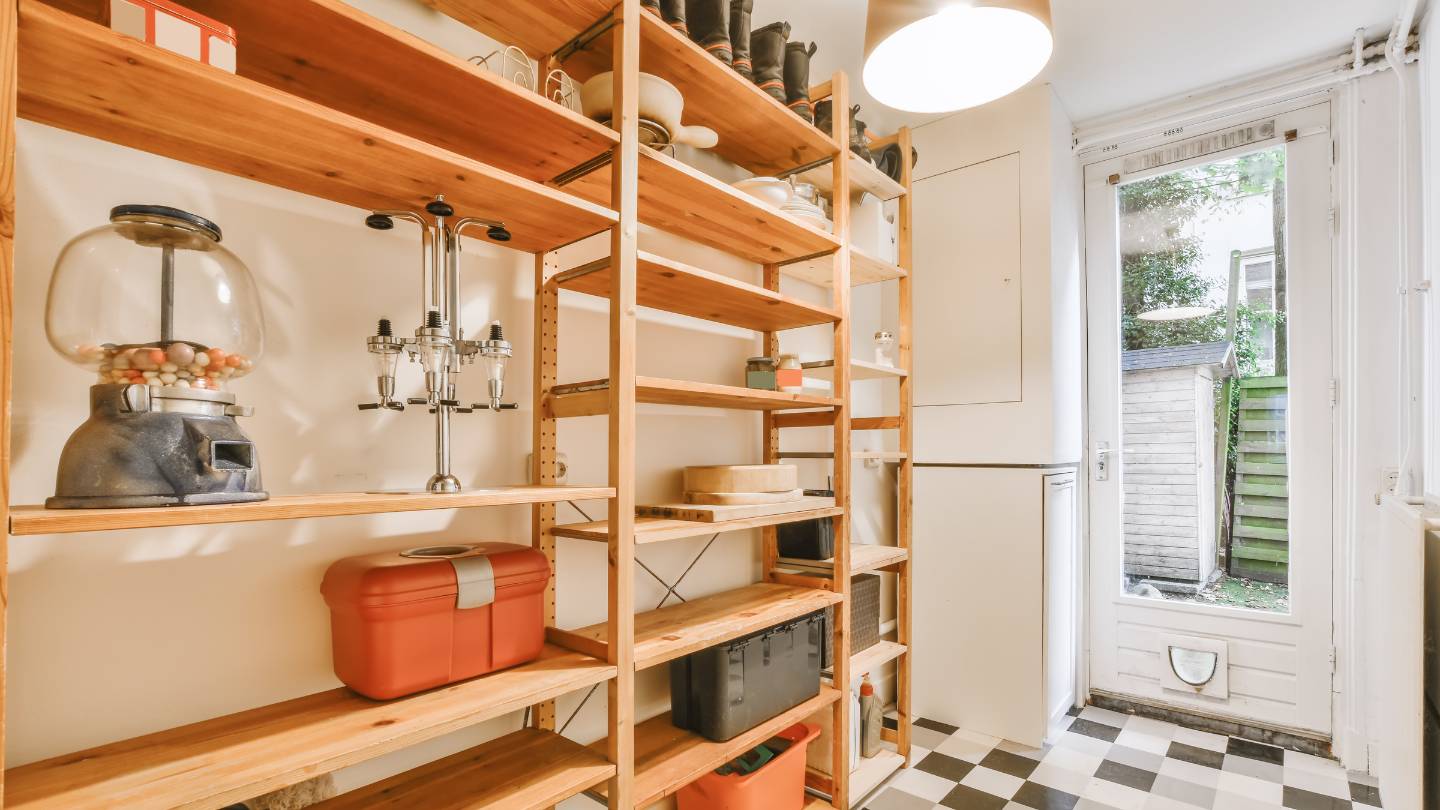
Floating shelves are the stuff of minimalists’ dreams when it comes to home decor. Their major purpose is to maximise storage efficiency, but that’s not all they can do. They offer a blank slate for individual expression with their unbroken lines.
Floating shelves have so many uses. You may use them to store spices, dishes, or even mugs, and then you’ll have more room on the counter, which is a godsend in a small kitchen. You may transform them into a living room gallery wall by hanging up treasured photographs, mementoes from trips, or a collection of your favourite trinkets.
Embrace Open Shelving
While we have covered several vertical organising solutions, such as modular storage and freestanding shelves, there are many more. Transforming everyday items into beautiful collections, open shelving makes use of the idea of keeping things out of sight. It’s not as difficult as it seems. Your fine dinnerware may have cost a pretty penny, but how frequently do you use it? Displaying them openly enhances the aesthetic of your dining room or kitchen while ensuring their readiness for your upcoming dinner party.
You never know what you can make out of your spouse’s stack of matchbooks or those stray strands of yarn until you begin to see them as components of a beautiful collage or collection. Having your belongings on display can be nerve-wracking. Decorative baskets, boxes, or bags are perfect for hiding anything that is too ugly, too tiny, or unnecessary to show off.
Open shelving is great for floating shelves, standard wall shelves, and even shadow boxes. After you get the hang of it, you’ll see all sorts of unexpected uses for them, including hanging them over a door or window, in the bathroom, in a spare corner, or even a chest of drawers. As you reorganise your shelves to suit your evolving demands, you’ll also begin to see and appreciate the importance of colour, texture, and outline.
Conclusion
Vertical storage has many benefits, such as making desks more comfortable, freeing up room, making inventory management more accurate, making the business safer, and making operations run more smoothly.
Increasing the height of your ceiling can make your home look better and work better because it gives you more space for decorative elements and more air. People who feel crowded will find more comfort and space in homes with high ceilings. This makes them a great choice for people who want a more open and comfortable place.
High ceilings also let in a lot of natural light, which can change the look of a room and make it feel warmer. Panorama windows, which are big and let in a lot of natural light, can also be put in on walls that are bigger.
But there are some problems to think about if you want to buy a house with high ceilings. Some of these are the possibility of being uncomfortable in small spaces, the need for good air, and the possibility of too much light. By fixing these problems, homeowners can get the most out of their high ceilings and make the area more useful and nice to look at.
When you have high ceilings, noise and echo can get in the way of your living area. This effect can be lessened with soundproofing walls or home audio systems, but these may not fit with the way you want your room to look. If you are easily bothered by sounds and loud rooms, lower ceilings might be a better choice. Making a room warmer is also hard because it takes up more space. To make a room feel cosier, people can raise the roof temperature with space heaters, air vents, or natural light.
But walls that are higher are more likely to get scratches, spots, and chips. To make the most of vertical space, think about cabinets that go all the way to the ceiling. They look modern and give you more storage room. Tall bookshelves can be a stylish and useful way to store essentials and make use of the room that is often overlooked: the vertical space. You can be as creative as you want with floating shelves, which can also be used to store things like spices, dishes, and even mugs, making more table space in small homes.
Everyday things can be turned into beautiful collections with open shelving. This will improve the look of your dining room or kitchen and make sure it’s ready for any upcoming events. You can hide things you don’t want with decorative baskets, boxes, or bags. Floating shelves, normal wall shelves, and shadow boxes can all be put on open shelving. You’ll realise how important colour, texture, and shape are as you rearrange your shelves.
Content Summary
- Explore inventive shelving concepts for maximising vertical space in interiors with tall ceilings.
- Discover design concerns and practical solutions to make the most of high ceilings, adding storage or creating a multipurpose room.
- Importance of maximising vertical space for improving ergonomics, making storage contents accessible, and decreasing the need for lifting and reaching.
- Vertical storage frees up horizontal space, allowing for more room for employees or revenue-generating activities.
- Specialised vertical storage enhances accuracy in inventory management.
- Modern vertical storage containers provide enhanced security for stored items through access control measures.
- Operational efficiency improves with vertical storage, making it easy to locate items and enhance productivity.
- Pros of tall ceilings include improved aesthetics, more room for design elements, extra headroom, and ample natural light.
- High ceilings allow for artistic expression, making it easier to decorate walls and install panoramic windows for natural light.
- Cons of tall ceilings include issues with noise and echo, difficulty in heating, and additional maintenance for higher walls.
- Soundproofing panels and home audio systems can mitigate noise issues in rooms with high ceilings.
- Physics makes it more challenging to heat rooms with high ceilings, requiring additional measures such as space heaters or repositioned vents.
- Additional maintenance is a trade-off for the expressive freedom provided by higher walls.
- Vertical cabinetry, reaching all the way to the ceiling, offers a contemporary solution for more storage in kitchens and bathrooms.
- Tall bookshelves maximise storage capacity without sacrificing floor space, making them ideal for smaller dwellings.
- Floor-to-ceiling bookshelves transform into captivating focal points when stocked with books, ornaments, and personal heirlooms.
- Floating shelves are minimalist dream solutions for maximising storage efficiency and allowing individual expression.
- Floating shelves can be used in kitchens for storing spices or dishes, transforming into a living room gallery wall for personal items.
- Open shelving transforms everyday items into beautiful collections, enhancing the aesthetic of dining rooms or kitchens.
- Open shelving is versatile, suitable for floating shelves, standard wall shelves, and even shadow boxes.
- Decorative baskets, boxes, or bags can hide items on open shelves that are too ugly or unnecessary to display.
- Open shelving is great for various spaces, including over doors or windows, in bathrooms, spare corners, or atop a chest of drawers.
- Reorganising shelves to suit evolving demands highlights the importance of colour, texture, and outline in interior design.
- Make informed decisions about structural layout based on personal tastes, room design, and functional advantages of higher or lower ceilings.
- High ceilings offer more room for aesthetic elements, allowing for design flexibility and avoiding a cramped feeling in the space.
- Low ceilings limit wall decoration options, making them unsuitable for large pictures or ornaments, unlike contemporary designs with lofty ceilings.
- High ceilings provide extra headroom, creating a sense of spaciousness and comfort even for those prone to claustrophobia.
- Enjoy plenty of natural light with panoramic windows, enhancing the brightness and welcoming ambience of spaces with high ceilings.
- Interiors with high ceilings may suffer from noise and echo issues, but soundproofing panels or home audio systems can provide solutions.
- Physics makes heating rooms with high ceilings challenging, requiring additional measures to maintain a cosy atmosphere.
- Extra maintenance for higher walls is a trade-off for the expressive freedom and individuality they provide.
- Vertical cabinetry offers a contemporary solution for utilising underutilised spaces and creating a modern look in functional rooms.
- Tall bookshelves maximise storage capacity while making efficient use of vertical space, which is crucial in smaller dwellings.
- Floor-to-ceiling bookshelves become captivating focal points when stocked with vibrant books, ornaments, and personal heirlooms.
- Floating shelves are minimalist dreams, maximising storage efficiency and providing a blank slate for individual expression.
- Floating shelves can be used in kitchens to store items and create a gallery wall for personal items in living rooms.
- Open shelving transforms everyday items into beautiful collections, enhancing the aesthetic of dining rooms or kitchens.
- Open shelving is versatile, suitable for various spaces, and accommodates decorative baskets, boxes, or bags to hide items.
- Reorganising shelves highlights the importance of colour, texture, and outline in interior design.
- Make informed decisions about structural layout based on personal tastes, room design, and functional advantages of higher or lower ceilings.
- High ceilings offer more room for aesthetic elements, allowing for design flexibility and avoiding a cramped feeling in the space.
- Low ceilings limit wall decoration options, making them unsuitable for large pictures or ornaments, unlike contemporary designs with lofty ceilings.
- High ceilings provide extra headroom, creating a sense of spaciousness and comfort even for those prone to claustrophobia.
- Enjoy plenty of natural light with panoramic windows, enhancing the brightness and welcoming ambience of spaces with high ceilings.
- Interiors with high ceilings may suffer from noise and echo issues, but soundproofing panels or home audio systems can provide solutions.
- Physics makes heating rooms with high ceilings challenging, requiring additional measures to maintain a cosy atmosphere.
- Extra maintenance for higher walls is a trade-off for the expressive freedom and individuality they provide.
- Vertical cabinetry offers a contemporary solution for utilising underutilised spaces and creating a modern look in functional rooms.
- Tall bookshelves maximise storage capacity while making efficient use of vertical space, which is crucial in smaller dwellings.
- Floor-to-ceiling bookshelves become captivating focal points when stocked with vibrant books, ornaments, and personal heirlooms.
Frequently Asked Questions
What Are Some Creative Diy Shelving Ideas For Tall Ceilings?
Repurpose existing furniture into shelves, create unique and customised designs using unconventional materials, or explore budget-friendly options like reclaimed wood or industrial pipes for a personalised touch.
How Can I Ensure Safety And Stability When Installing Tall Shelves?
Use sturdy and appropriate mounting hardware, anchor freestanding shelves to the wall, and distribute weight evenly. Regularly inspect the shelves for signs of wear and tear and follow manufacturer guidelines for weight limits.
Are There Ways To Make High Shelves Easily Accessible?
Consider installing a rolling library ladder, using a step stool, or arranging frequently accessed items on lower shelves. Adjustable shelving also allows for customisation based on accessibility needs.
How Do I Maintain And Organise Tall Shelves Effectively?
Regularly declutter, organise items by category or frequency of use, and employ storage bins or baskets for smaller items. Dusting and cleaning high shelves can be simplified with the use of extendable tools.
Can Tall Ceiling Shelving Be Both Functional And Decorative?
Absolutely. By integrating practical storage solutions with decorative elements, such as artwork, plants, or stylish storage containers, you can achieve a harmonious balance between functionality and aesthetics in tall ceiling spaces.