Over the years, I’ve seen garages turned into everything from makeshift cricket clubhouses to bike shops worthy of a Tour de France pit stop. The common thread? When sports gear is organised properly, life just runs smoothly.
You can find what you need, the kids can actually help themselves, and you’re not tripping over a rogue netball on your way to the washing machine. Here in Australia, our garages often double as storage sheds, sports lockers, and wet-weather gear dumps – and if we’re not careful, that mix can turn into a mess faster than you can say “Saturday morning footy”.
With the right systems, smart storage choices, and tailored sports equipment storage solutions, your garage can become a tidy, functional space that keeps your sports equipment safe, accessible, and ready for action.
Step One – Clear, Sort, And Plan Your Sports Gear Storage
I’ve been in more garages than I can count over the past 20 years, and here’s something I’ve learnt – the “before” photo is almost always a mix of footy balls, half-deflated netballs, bikes wedged behind lawnmowers, and cricket bats hiding in the corner like shy school kids. The thing is, you can’t organise what you can’t see. That’s why every great garage sports equipment makeover starts the same way: clear the decks.
How To Assess Your Garage Space Before Installing Storage
Before you start dreaming about shiny new sports rack systems, take a good, hard look at your garage.
- Measure first, especially for oversized gear. Kayaks, surfboards, and skis take up more room than you think. In Melbourne, I’ve seen families try to wedge a kayak diagonally across a single garage – it’s not pretty, and it’s not safe.
- Map your movement – think about how you walk through the space, where the car doors swing open, and which corners are dead zones you could reclaim.
- Consider climate – garages in coastal areas like Geelong need to allow for salt-laden air, while in the Dandenongs, you’ll need to think about damp. That impacts where and how you store certain gear.
A quick sketch on graph paper (or even chalk markings on the garage floor) can help you see the “flow” before a single shelf goes up.
Decluttering Tips To Free Up Space For Sports Equipment
This is where the magic happens – and sometimes where tempers flare. I’ve had clients in Sydney swear they “need” every single one of their 17 soccer balls. Turns out, six were flat and another four were hiding under spiderwebs in the corner.
Here’s my go-to decluttering checklist:
| Step | Action | Why it Matters |
| 1 | Pull everything sports-related out into the driveway | Forces you to see the full picture |
| 2 | Sort into keep/donate/sell/toss | Keeps decision-making simple |
| 3 | Check condition – inflate balls, inspect bats for cracks | Saves you from storing broken gear |
| 4 | Donate usable items to local clubs or op shops | Good karma and more space |
| 5 | Dispose of damaged gear responsibly (recycling where possible) | Keeps waste out of the landfill |
Local tip: Many councils run hard rubbish and sports equipment recycling programs – check your council’s waste calendar before you send anything to landfill. In Melbourne, some YMCA branches even take good-quality used gear for junior programs.
Categorising Sports Gear For Easier Organisation
Once the extras are gone, group what’s left in a way that makes sense for your family’s lifestyle.
- By sport: cricket gear in one zone, cycling kit in another.
- By season: summer gear like surfboards and cricket bats up front from November to March; winter gear like AFL footies and hockey sticks rotated forward come April.
- By frequency of use: the gear you grab three times a week should live at arm’s height near the garage door, while that set of snowshoes from your one trip to Falls Creek in 2018 can go overhead.
One family I worked with in Brighton colour-coded their bins: red for AFL, blue for swimming, green for cricket. It not only kept gear in check but also made Saturday mornings less chaotic – no more rummaging through a jumble of helmets and swim caps at 8 am.
Wall-To-Wall Efficiency – Sports Rack Systems For Garages
When you’ve been in as many garages as I have, you quickly realise the walls are gold. Every square metre of vertical space you can reclaim is one less tripping hazard on the floor. I’ve seen garages transformed from “can’t find a cricket bat” chaos to neatly zoned sporting hubs just by using the right wall-mounted systems.
Why Slatwall Panels Beat Basic Shelving For Sports Gear Organisation Ideas
I’m a big believer in slatwall panels for one simple reason: flexibility.
They’re like the Swiss Army knife of garage storage – hooks for cricket bats, baskets for footies, shelves for helmets, even hanging nets for tennis balls. If your family’s sports change over time (and they will – trust me, I’ve watched clients go from T-ball to triathlons), you can move the fittings around without pulling out the drill.
In one Williamstown project, we fitted a full wall in polymer slatwall. On Monday, it held hockey sticks and netball gear; by Friday, the family had swapped it over for cycling gear before a long weekend ride on the Bay Trail. No new holes in the wall, no mess – just quick adjustments.
Local note: Look for UV-stabilised panels if your garage gets strong western sun in summer. They’ll handle the heat and won’t fade.
Garage Pegboard For Sports Equipment And Tools
Pegboard isn’t just for hammers and screwdrivers. In smaller garages, a powder-coated steel pegboard can be a lifesaver for sports gear.
- Hooks for gloves, hats, and water bottles.
- Brackets for yoga mats or skipping ropes.
- Small baskets for mouthguards, shin pads, or cricket balls.
I once fitted a pegboard above a workbench in a Brunswick garage. Half was used for bike repair tools, the other half for sports gear. The owner joked it was like having a pit crew for both the bike and the local footy club.
Pro tip: Go for corrosion-resistant pegboard if you’re near the coast – salt air and cheap steel aren’t mates.
Wall Storage Quick-Select Table
| Storage Option | Best For | Pros | Watch Out For |
| Slatwall | Multi-sport families | Flexible, customisable, neat finish | Needs proper wall fixing |
| Pegboard | Small items, shared spaces | Affordable, easy to rearrange | Limited weight capacity |
| Wall racks | Single-sport gear (e.g., bikes, bats) | Space-saving, secure | Not as flexible as slatwall |
| Mesh baskets | Balls, gloves, pads | Easy access, visible contents | Dust builds up if not cleaned |
Smart Shelving And Cabinet Options For Sports Gear
Some garages just aren’t set up for wall-to-wall racks. Maybe you’ve got brick walls, or the layout’s chopped up with windows and doors.
That’s where shelving and cabinets step in. And let me tell you, the right choice here can make the difference between a garage that stays neat for years and one that falls back into chaos before the cricket season’s over.
Adjustable Garage Shelving For Sports Gear Of All Sizes
Adjustable shelving is the workhorse of sports storage. You can shift shelf heights for bulkier items like cricket pads in winter, then drop them down for swim bags in summer.
In one family’s garage in Essendon, we set up steel-frame adjustable shelves against the side wall. The top held clear, labelled tubs of seasonal gear; the middle had everyday items like bike helmets and basketballs; the bottom, heavier kit like kettlebells and boxing pads. By keeping the heaviest items low, we cut the risk of accidents and made it easy for the kids to grab what they needed without climbing.
Local tip: Steel shelving’s worth the investment here in Australia. Our weather swings – from humid coastal summers to icy Melbourne mornings – can warp cheaper MDF shelves quicker than you think.
Sports Gear Storage Cabinets For A Tidy, Clutter-Free Look
If you like a clean, streamlined finish, cabinets are your best mate. They hide away the mess, protect gear from dust, and keep valuables secure if you choose lockable doors.
I had a client in Brighton who wanted their garage to look “like a sports store after hours.” We installed a bank of powder-coated steel cabinets – lockable for their expensive cycling kit – with adjustable shelves inside. Footy boots and cricket gloves went in breathable fabric bins inside the cabinets to keep them dry but out of sight.
For households with younger kids, I often recommend mixing open shelving for everyday gear and cabinets for less-used or valuable equipment. That way, the kids can grab their basketball without scaling a cabinet, but Dad’s golf clubs stay secure.
Compact Sports Storage Solutions For Smaller Garages
Not every home has the luxury of a double garage. In inner-city suburbs like Fitzroy or South Melbourne, space is tight. That’s where slimline shelving units, stackable tubs, or wall-hung cabinets above bonnet height come in.
One solution I like is combining narrow shelving with pull-out wire baskets. They’re perfect for storing multiple pairs of boots or rolled-up training bibs. Another trick – use corner shelving units to squeeze value out of awkward spaces.
Shelving & Cabinet Selection Checklist
| Question | Why It Matters |
| Will it handle weight over time? | Sports gear can be surprisingly heavy |
| Is it moisture-resistant? | Garages can get damp, especially in winter |
| Can you adjust it easily? | Kids grow, sports change |
| Does it allow airflow? | Prevents mould and mildew on the gear |
Ball, Bat, And Glove Storage That Actually Works
If there’s one category of gear I’ve seen cause the most tripping hazards, it’s balls. Footies, netballs, basketballs, tennis balls – they all roll under cars, lodge in corners, and hide behind eskies. Then there are bats and gloves, which often end up bent, split, or lost because they weren’t stored properly. The good news? With the right setup, these bits of kit can be corralled, protected, and kept ready for game day.
Ball And Bat Storage Solutions That Keep Gear Off The Floor
The simplest upgrade you can make for ball storage is to get them off the floor.
In a family garage in Point Cook, we used vertical bungee cord racks for basketballs, netballs, and soccer balls. The kids could just pull the lowest ball out, and the rest would drop down into place – no need to dig through a bin.
For bats, I’m a fan of wall-mounted bat racks. You can buy them ready-made or knock one together from timber offcuts. In a Seaford install, we mounted a rack that held five cricket bats side-by-side, right above hooks for gloves and helmets. Everything was at arm’s reach, and nothing touched the ground.
Quick comparison of popular options:
| Option | Best For | Pros | Cons |
| Vertical bungee racks | Balls of all sizes | Easy access for kids | Needs wall space |
| Wall bat racks | Cricket, baseball, and softball bats | Prevents warping, keeps gear tidy | Limited flexibility for other items |
| Rolling ball carts | Multiple sports | Portable, easy to load | Takes up floor space |
Garage Storage For Balls And Gloves – Easy Access For Kids
Kids are far more likely to put things away if the system is simple. Mesh baskets or labelled cotton tubs work a treat for gloves, shin pads, and training cones.
One clever solution I saw in a Moorabbin garage was a set of colour-coded bins – red for AFL, blue for basketball, yellow for cricket. The kids knew exactly where to chuck things after practice, and Mum didn’t have to play detective when someone’s glove went missing on match day.
For indoor storage, especially in winter when kids are playing sports at night, you can mount soft-fabric bins or hanging shelves near the garage door. This way, the gear stays off the cold floor and is easy to grab the next morning.
Local tip: In damp climates like along the Mornington Peninsula, avoid sealing gloves or balls in airtight containers straight after use – let them air-dry first to prevent mould.
Bike And Helmet Storage Ideas That Save Floor Space
If your garage is home to more than one bike, you’ll know the routine: handlebars get tangled, pedals scrape the car, and somehow the smallest bike always ends up buried at the back. A proper storage system doesn’t just free up floor space – it keeps your bikes and helmets in better nick and ready to roll.
Wall-Mounted And Ceiling Bike Storage In Garages
Wall-mounted bike racks are the go-to in most Aussie homes. They’re simple, affordable, and get bikes off the ground.
In a Yarraville garage, we installed pivoting wall racks so each bike could swing sideways when not in use. The owner was a keen road cyclist, his partner rode to work, and the kids had two mountain bikes. The pivot system meant they could store all four bikes along a single wall, without the pedals or handlebars clashing.
If you’ve got a high ceiling – common in older Melbourne terraces – a pulley system can be a lifesaver. One Northcote client used hers to hoist a kayak up and store bikes vertically along the wall underneath. Ceiling storage works especially well for seasonal gear you don’t use every week.
Bike storage options worth considering:
| Storage Type | Best For | Pros | Watch Outs |
| Horizontal wall rack | Daily riders | Keeps bikes at an easy height | Needs full wall length |
| Vertical wall rack | Multiple bikes | Saves floor space | Can be heavy to lift |
| Pivot rack | Tight spaces | Adjusts to fit more bikes | Slightly higher cost |
| Pulley/ceiling system | Seasonal or heavy bikes | Maximises unused space | Not ideal for quick grab-and-go |
Helmet Hooks And Gear Zones For Quick Grab-And-Go
I’ve lost count of the times I’ve heard “Where’s my helmet?” from kids in the morning rush. The solution? Keep helmets, gloves, water bottles, and pumps right next to the bikes.
In one Cheltenham project, we mounted a row of sturdy hooks under the bike racks just for helmets. A small shelf beneath held puncture kits and spare tubes. The family could be on their bikes within minutes – no rummaging through boxes.
For mountain bikers, I suggest adding mesh baskets for muddy gloves and gear. They let items air out, which is essential in our cooler, wetter months.
Local tip: If your garage cops a lot of heat, avoid leaving helmets in direct sunlight. The Aussie summer can degrade foam and straps faster than you’d think.
Seasonal And Specialty Gear – Keep It Safe And Sorted
Not all sports gear sees year-round use. Some only come out for a few weeks each year, which makes smart storage even more important. If you stash it wrong, you risk damage; if you stash it right, it’s game-ready when you need it.
Storing Golf, Tennis, And Baseball Equipment In The Garage
Golf gear has a knack for being both expensive and awkward to store. I’ve seen more than one set of clubs leaning against a garage wall, slowly gathering dust and developing rust spots.
For a client in Glen Waverley, we used a dedicated golf organiser rack – two bags upright, a shelf for shoes, and drawers for balls and tees. It kept everything in one tidy footprint and off the damp floor.
Tennis and pickleball rackets need a different approach. I recommend wall hooks or horizontal racks that won’t warp strings. For baseball and cricket, a combination bat and glove rack works a treat – one Mount Eliza family used a five-bat rack with hooks underneath for gloves and hats.
Local tip: Always wipe down golf clubs and tennis rackets before storage, especially after coastal play. Salt air is no friend to metal fittings.
Hockey, Lacrosse, And Football Gear Organisation
These sports tend to come with bulky gear – helmets, pads, sticks – that can smell less than fresh if you pack them away too soon.
In a Ringwood garage, we built a slatwall drying station just for the kids’ hockey gear. Hooks for pads, baskets for gloves, and an open shelf for helmets meant everything could air out before going into storage bins. This not only kept the garage smelling better but also extended the life of the gear.
For AFL or rugby, mesh ball racks and low hooks for boots make it easy for kids to put things away without parental help.
Fishing, Camping, And Home Gym Equipment Storage
Fishing rods do best on horizontal wall racks or slatwall hangers. Tackle boxes, lures, and small accessories can go in labelled bins or drawers – I fitted a set of shallow drawers for a fishing-mad client in Frankston, and he said it halved the time he spent prepping for trips.
Camping gear is perfect for overhead racks. Store tents, sleeping mats, and folding chairs in waterproof tubs to keep them safe from dust and pests. Sleeping bags? It’s better to store it inside the house where temperature swings won’t damage the fill.
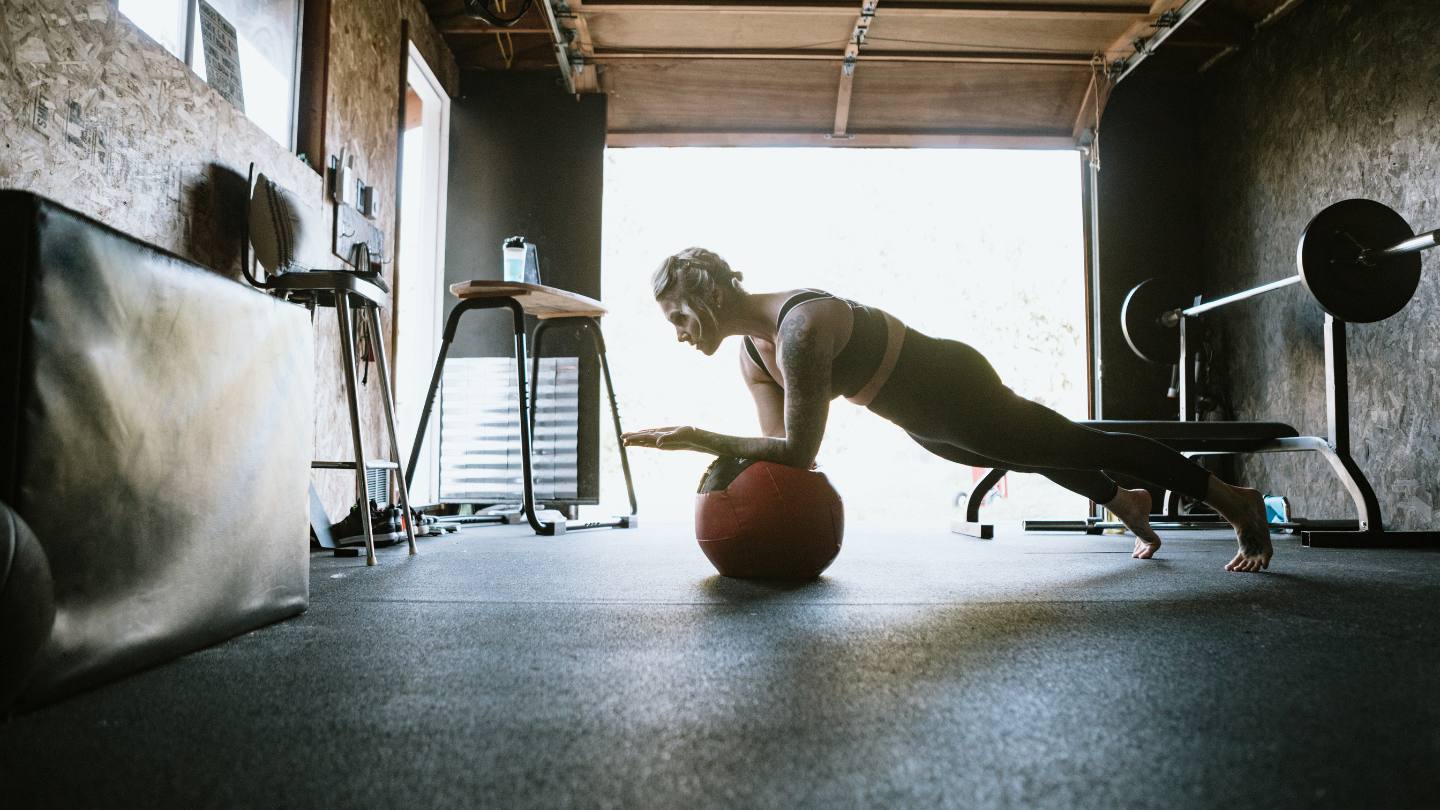
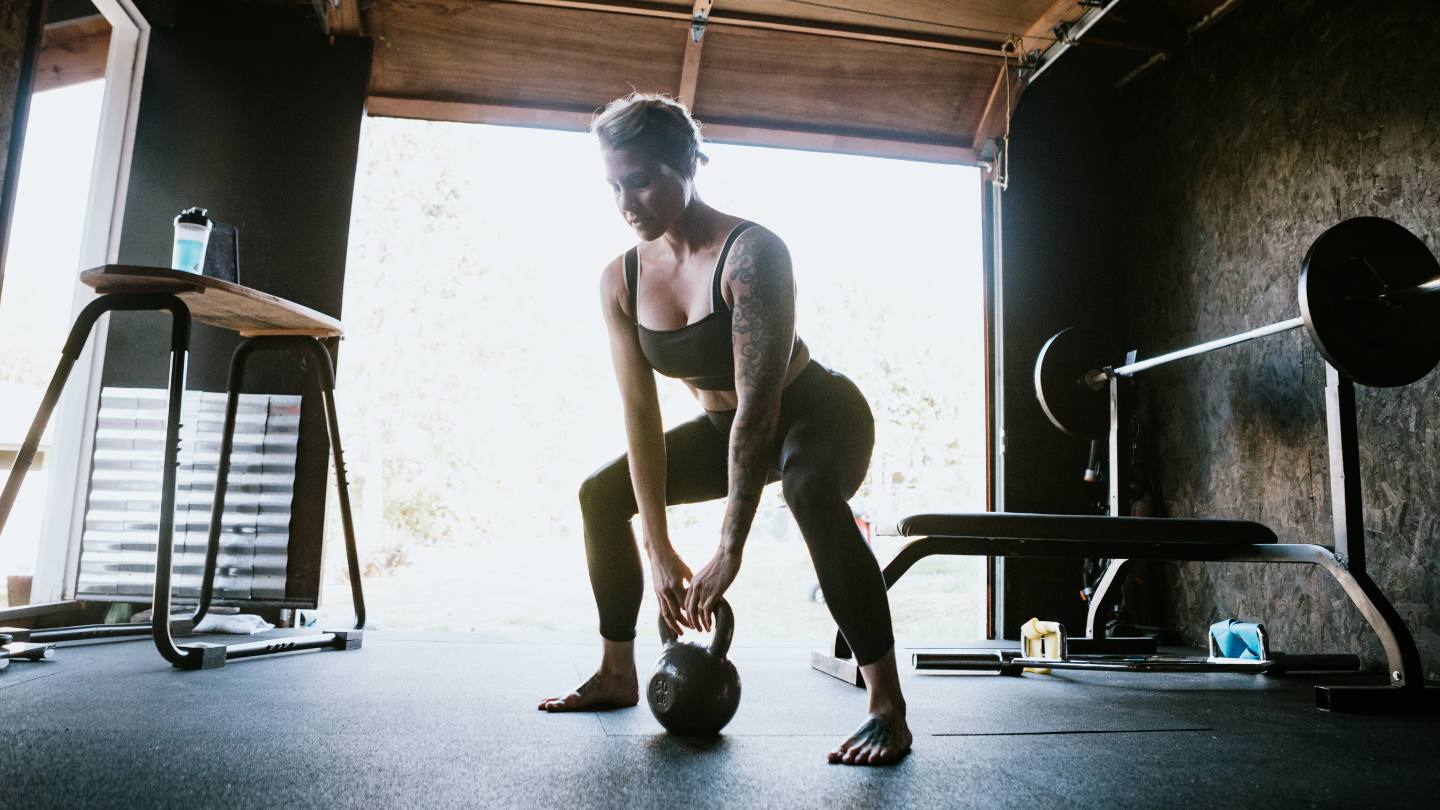
Home gym equipment is often heavy, so floor racks for weights and kettlebells are safest. Wall hooks work well for resistance bands and skipping ropes. I’ve even set up foldaway benches for people who want a garage that can switch from gym to car park in minutes.
Seasonal Gear Storage Checklist
| Task | Why It Matters |
| Clean and dry before storage | Prevents mould, rust, and odours |
| Use labelled containers | Saves time finding gear next season |
| Keep heavy items low | Prevents injury and damage |
| Store sensitive gear inside | Protects from extreme Aussie temps |
| Check the gear twice a year | Catch damage before it worsens |
DIY Sports Gear Organisation Hacks That Save Money
Not every garage needs a full professional fit-out from day one. Sometimes, a weekend, a few tools, and a bit of creativity can go a long way. Over the years, I’ve seen some clever DIY solutions in Aussie garages – some of them rival the custom installs.
PVC Pipe Racks, Repurposed Items, And Custom Shelves
PVC is one of those materials that’s cheap, easy to cut, and surprisingly strong. I’ve helped a client in Cranbourne build a vertical bat stand from leftover 100mm PVC pipe – holes drilled into a timber base, pipes glued in place, and each bat standing upright without touching the floor. Cost? Under fifty bucks.
Repurposing is another trick. I’ve seen skateboards turned into floating shelves in a St Kilda garage, old cricket bats cut and mounted as coat racks in a Bayside home, and a retired surfboard become a quirky bench in a coastal Torquay shed.
Custom shelves from ply or pallet timber can fit into awkward nooks that standard shelves won’t. A family in Coburg used an old shipping pallet to store hockey sticks, lacrosse sticks, and fishing rods in one compact vertical slot rack.
Budget-Friendly Ball Storage And Hanging Solutions
If you’re sick of balls rolling under the car, you can make a quick vertical ball rack with two bungee cords strung between upright wall studs. Pull a ball out from the bottom, and the rest stay stacked.
Mesh laundry bags also work well – one Blackburn family hung three of them from the rafters for soccer balls, basketballs, and netballs. Easy to see what’s inside, easy to grab, and no fancy hardware required.
Even sturdy fabric shopping bags can be mounted on hooks for gloves, cones, or skipping ropes. The trick is to keep everything visible – if you can’t see it, you’ll forget it’s there.
Local tip: If you’re using fabric storage in a garage, make sure it’s mildew-resistant or easy to wash. Our damp winters in Victoria can be unforgiving.
DIY Quick-Start Guide
| Project | Time | Cost | Skill Level |
| PVC bat stand | 1-2 hrs | <$50 | Easy |
| Bungee cord ball rack | <1 hr | <$20 | Easy |
| Pallet stick rack | 2-3 hrs | Free-$30 | Medium |
| Repurposed skateboard shelf | 1-2 hrs | $20-$40 | Medium |
An organised garage isn’t just about looking neat – it’s about creating a space that works for you and your lifestyle. By combining smart wall storage, sturdy shelving, dedicated zones for each sport, and even a few clever DIY hacks, you can turn a cluttered garage into a well-oiled sports gear hub.
You’ll protect your equipment from damage, save time hunting for things, and create a safer environment for the whole family. Whether you’re a weekend warrior, a serious athlete, or a parent ferrying kids from cricket to swimming, the effort you put into setting up your garage now will pay off every single week.