
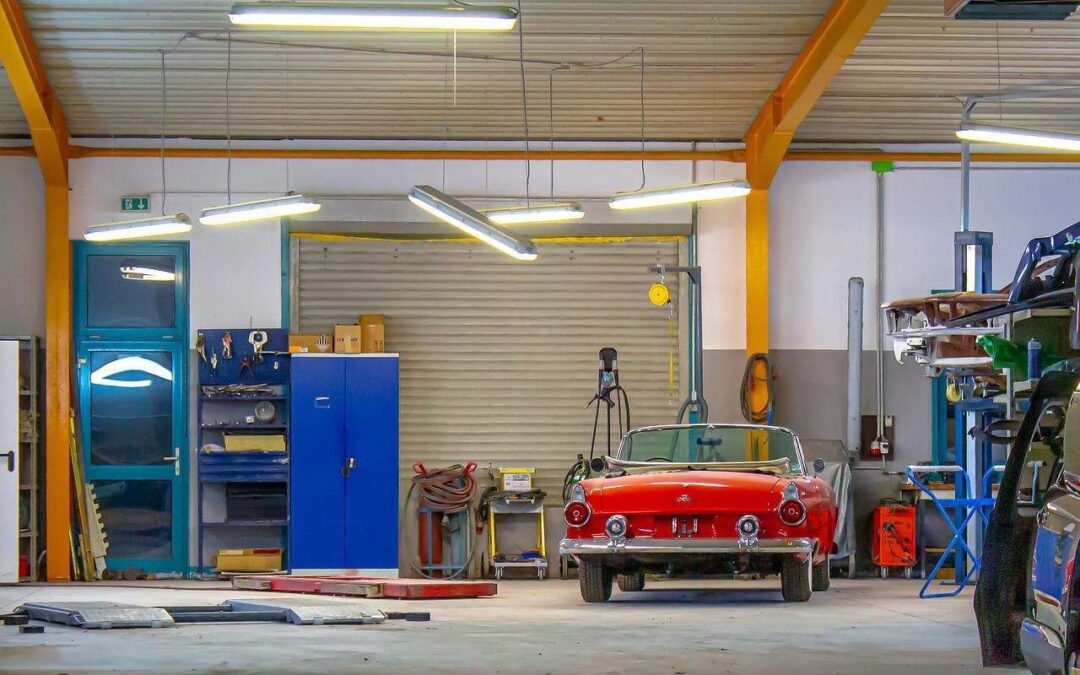
Do you want to find garage storage solutions? Garage wall cabinets are an important addition. You may improve the practicality and aesthetic appeal of your garage by installing these cabinets to store your various tools, supplies, and equipment.
The material the cabinets are constructed from should be a primary consideration when shopping for new garage wall storage. The material you choose for your cabinets will have a significant effect on how long they will last, how they look, and how often you will need to clean them.
So, what are the most common supplies for garage wall cabinets? In this piece, we’ll look at several options for garage wall cabinet building.
Knowing the pros and cons of various materials will help you choose the best option for your garage storage needs, whether you’re drawn to the classic look of wood, the strength of metal, or the versatility of plastic.
Let’s explore the options for garage wall cabinets and locate the best one for you.
Garage Wall Cabinet Material Options
It’s crucial to choose a high-quality material for your garage wall cabinets so that they last longer, work well, and look well. When faced with some potential courses of action, it’s prudent to weigh some aspects before settling on one.
- Durability and Strength: Because garages are often used frequently and intensively, they must be built to last. Choose cabinet materials that can handle the wear and tear of keeping tools, machinery, and other objects. Consider using materials that can withstand much abuse without showing signs of wear and tear.
- Moisture Resistance: The humidity, wetness, and temperature variations that garages experience are too common. Cabinet materials should be selected considering their ability to endure high humidity levels. Warping, rotting, and mould growth are all things you want to avoid in your cabinets, and moisture-resistant materials provide just that.
- Maintenance Requirements: Take into account the upkeep involved with various cabinet materials. To preserve their beauty and provide adequate protection from moisture and other elements, some materials may need to be regularly sealed, painted, or refinished. Think about how much time and energy you can devote to keeping your garage wall cabinets in good condition.
- Aesthetic Appeal: Your garage’s aesthetics can be improved by installing attractive wall cabinets. Think about how the visual features of various materials mesh with your sense of style and the aesthetics of your garage. Pick a material that works with your prefered style, whether it’s rustic wood, sophisticated metal, or sleek plastic.
- Customisation Options: Think about how you might alter various cabinet materials. Wood, for example, can be painted and stained to fit in with your garage’s aesthetic or your particular taste. Think about if you’d rather have the option to personalise the cabinets or have them come in a specific finish and colour.
- Budget Considerations: While deciding on materials for garage wall cabinets, cost should be taken into account. It is crucial to choose your material choice by your financial constraints, as the costs of various options vary widely. Consider your budget and look into materials that provide a good trade-off between price and quality.
- Environmental Impact: Consider how eco-friendly various cabinet materials are if protecting the planet is high on your list of priorities. A smaller carbon footprint, recycled content, or the ability to be recycled themselves are all potential benefits of using certain materials. Find out how various materials affect the environment so you can pick wisely.
You can make a well-informed decision about the material for your garage wall if you think about these things first. Choose the best material to suit your needs by weighing criteria like durability, upkeep, beauty, and cost.
Different Garage Wall Cabinet Materials: Pros And Cons
You can’t have a well-organised and spacious garage without installing wall cabinets. It’s crucial to think about the different available materials when selecting the best cabinets for your needs. There are benefits and drawbacks to using every material. Here we’ll go over the many options for garage wall cabinets and the benefits and drawbacks of each.
Wood
Wood is a common material for garage wall cabinets because of its longevity, adaptability, and attractiveness. It’s quite durable and may be painted or painted to go in with your garage’s aesthetic. Wood, however, may need routine upkeep and is vulnerable to water penetration if not treated properly.
Pros:
- Natural beauty: Wood cabinets in your garage might make it feel more like home.
- Customisation: Staining or painting wood to complement your garage’s aesthetic is simple.
- Durability: Despite constant use, high-quality wooden cabinets can last for decades.
- Versatility: Wooden cabinets can be customised to meet various decors and layouts.
Cons:
- Maintenance: To keep it dry and pest-free, wood needs to be sealed or refinished regularly.
- Cost: Wooden cabinetry may be more costly than alternative options.
- Susceptibility to moisture: Wood can be affected by moisture and cause warping and rotting if improperly handled.
Metal
Metal cabinets are long-lasting and reliable. They can withstand the harsh conditions in a garage since they are impervious to water, insects, and flames. Metal storage cabinets are frequently sleek and industrial looking, making them a good choice for contemporary garages.
Pros:
- Durability: Metal cabinets can withstand abuse because they are strong and don’t break easily.
- Moisture resistance: Metal storage units won’t rust or deteriorate with dampness around them.
- Security: Storing expensive tools and equipment in a metal cabinet might give you peace of mind.
- Low maintenance: Metal cabinets require almost any upkeep and are simple to clean.
Cons:
- Limited customisation: There may be few opportunities for personalisation with metal cabinets.
- Prone to dents and scratches: Metal is easily dented and scratched, which can diminish its lustre.
- Heat conductivity: When exposed to sunshine or high temperatures, metal cabinets can get very hot.
Plastic
Plastic storage cabinets are inexpensive, easy to move, and won’t rust or corrode. They are low-maintenance and can withstand the high humidity found in garages. Plastic cabinets may not be as sturdy as metal or wood, and they may have weight restrictions.
Pros:
- Affordability: In most cases, plastic cabinets will save you money compared to their wood or metal counterparts.
- Lightweight: Installing and working with plastic cabinets is a breeze.
- Moisture resistance: Plastic’s high moisture resistance makes it a good choice in damp settings like basements and garages.
- Low maintenance: Plastic cabinetry can be cleaned quickly and easily, and it will not rust or stain.
Cons:
- Limited weight capacity: It’s possible that plastic cabinets won’t hold as much as their wood or metal counterparts would.
- Durability: While plastic cabinets won’t break easily, they won’t be as long-lasting as their wood or metal counterparts, either.
- Limited aesthetic appeal: Plastic cabinets might not be as attractive as their wood or metal counterparts.
Composite
Composite cabinets are an adaptable and long-lasting alternative since they are made from various components, such as wood fibres and resin. They combine the best features of plastic and wood, so you get durability, moisture resistance, and good looks.
Pros:
- Durability: Composite cabinets are an excellent choice because of the variety of materials used to construct them.
- Moisture resistance: Water resistance is a common design goal for composite materials.
- Customisation: It is possible to add a personal touch by painting or staining some composites.
- Versatility: Cabinets made of a composite material combine the best features of plastic and wood.
Cons:
- Cost: Composite cabinets could be more costly than others.
- Limited customisation options: However, not all composites are ideal for highly specialised applications.
- Aesthetics: It’s possible that composite materials can’t match the elegance of wood in cabinetry.
Your budget, aesthetic choices, durability needs, and maintenance preferences all play a role in determining the best material for your garage wall. Weigh the benefits and drawbacks of each substance to pick the one that’s ideal for your situation.
Garage Wall Cabinet Installation Tips
Adding wall cabinets to your garage is a great method to increase storage and maintain order. However, some considerations must be made to guarantee a smooth installation and the best possible performance. Here, we’ll go through some of the most crucial questions to ask before putting in garage wall cabinets.
- Wall Mounting Options: Consider the garage’s wall material before purchasing and installing storage cabinets. Mounting hardware may need to be adjusted for drywall, concrete, and brick walls. It’s crucial to use gear and appropriate methods for your wall material.
- Weight Capacity: Consider how much stuff you intend to store in the cabinets. Please find out how much weight the cabinets can take to ensure they can handle your storage needs. To avoid drooping or structural concerns down the line, it’s important to choose cabinets with a high-weight capacity.
- Cabinet Placement: It’s important to plan out where you want your garage wall cabinets to go before you install them. Think about where you want to put things, how much wall space you have, and how your garage is laid out. You should measure the space to ensure the cabinets will fit and that you will have room for additional furniture and automobiles.
- Installation Difficulty: Think carefully about the installation procedure and also how confident you are in tackling it on your own. The intricacy or unique equipment needed to properly install some cabinets may necessitate hiring a professional. Get expert help if you are unsure about your abilities; doing the installation incorrectly can pose serious safety risks.
- Safety Precautions: Put security first while deciding on garage wall cabinets. To avoid any potential harm, make sure the cabinets are firmly attached to the wall. If you want your new furniture to last, install it according to the manufacturer’s directions.
- Accessibility and Functionality: How quickly you can get what you need from the cabinets. Put things you frequently use within easy reach to maximise their usefulness. Use modular cabinets and shelves that may be adjusted to fit your specific demands.
- Future Flexibility: Consider your present and prospective future storage needs. Choose cabinets with movable shelves or modular parts to maximise your options. If your storage requirements change, you can modify the cabinets accordingly.
- Compatibility with Existing Garage Features: It’s important to consider how the garage wall cabinets will work with the garage’s current setup, including the lighting, electrical outlets, and ventilation. Be sure the cabinets won’t get in the way of any of the garage’s practical features as you install them.
Taking these into account can help you install garage wall cabinets to work well and look great, as well as suit your storage demands and improve the usability of your garage.
Maintaining Garage Wall Cabinets: Your Storage Solution
Garage wall cabinets are an excellent financial decision if you value a well-organised garage. Proper maintenance and upkeep are essential to ensure their lifespan and peak performance. Here we’ll review some basic upkeep and repair procedures for your garage’s wall cabinets.
Cleaning Regularly
The best way to ensure the longevity of your garage’s wall cabinets is by consistent cleaning. To clean the insides of your cabinets, shelves, and drawers, use a solution of mild detergent in water. To protect the finish of your cabinets, never use strong chemicals or abrasive cleansers. After giving them a quick wipe-down with a damp sponge or towel, let them dry naturally.
Avoid Carrying Much Weight
Although garage wall cabinets have a high weight capacity, you shouldn’t put too much in them. More weight on the shelves could cause the cabinet to sag or even break. If you want to keep the cabinets in good shape, you must be careful about how much weight you put in them and how you put that weight in.
Repair Wear And Damage Right Away
Inspect your garage’s wall cabinets frequently for damage or wear. Tighten any handles, hinges, or other hardware that appears to be slack. Maintain the cabinet’s usefulness by fixing or replacing broken parts as soon as possible.
Regulation Of Moisture And Humidity
Cabinets installed in a garage may be at risk from humidity and moisture. Use a dehumidifier or upgrade your ventilation system to reduce excess moisture. Wet or damp things should not be stored in the cabinets directly because this might cause mould, warping, or rotting.
Preventative Actions
It would help if you thought about preventative actions to ensure the safety of your garage’s wall cabinets. Protect your shelves from damage by lining them with mats or liners. To prevent doors and drawers from slamming and unnecessary wear and tear, use padding or bumpers.
Follow The Manufacturer’s Directions
Keep your garage wall cabinets in pristine condition by always according to the manufacturer’s rules and directions. They might suggest the best cleaning chemicals to use or how often you should schedule maintenance. If you follow these guidelines, your cabinets will last as long as possible and retain their original functionality.
Examine And Correct Hardware
Garage wall cabinet hinges, knobs, and drawer slides should be inspected regularly. Make sure everything is lined up, tightened, and running well. Maintain functioning and reduce wear by lubricating moving parts as the manufacturer directs.
Keeping your garage wall cabinets in pristine condition for as long as possible is possible with regular cleaning, inspection, and lubrication, as shown here.
Frequently Asked Questions About Garage Wall Cabinet
Can I install garage wall cabinets by myself?
Yes, it is possible to install garage wall cabinets by yourself, depending on your DIY skills and the complexity of the cabinets. Some cabinets come with easy-to-follow instructions and mounting hardware that make self-installation feasible. However, if you’re unsure about your abilities or the cabinets require professional expertise, you should seek assistance from a skilled installer.
Are garage wall cabinets suitable for all types of garages?
Garage wall cabinets suit most garages, including residential, commercial, and industrial spaces. However, it’s important to consider the specific requirements of your garage, such as available wall space, wall type, and layout. Different wall types may require specific mounting methods, so ensure the cabinets you choose are compatible with your garage’s structural features.
How often should I clean and maintain garage wall cabinets?
The frequency of cleaning and maintenance for garage wall cabinets depends on various factors, including the level of use, environmental conditions, and the material of the cabinets. As a general guideline, it’s recommended to clean the cabinets regularly, at least once every few months, to remove dust, debris, and any spills. Additionally, perform routine inspections to identify and address any wear or damage promptly.
Can I paint or customise the appearance of garage wall cabinets?
Yes, many garage wall cabinets can be painted or customised to match your personal style and garage decor. Materials like wood or metal can be painted using appropriate primers and paints, while plastic cabinets may allow for customisation through adhesive decals or stickers. Ensure to follow the manufacturer’s guidelines and use suitable products for the material to achieve the desired result.
What is the average lifespan of garage wall cabinets?
The average lifespan of garage wall cabinets depends on several factors, including the quality of the cabinets, material used, maintenance practices, and level of use. High-quality cabinets made from durable materials, such as metal or wood, and with proper care and maintenance, can last for many years. On average, you can expect garage wall cabinets to have a lifespan of 10 to 20 years or even longer.
Conclusion
Garage wall cabinets are an important addition to improve the practicality and aesthetic appeal of a garage. The material chosen for the cabinets will have a significant effect on how long they will last, how they look, and how often they need to be cleaned.
It is important to weigh the pros and cons of various materials before settling on one. The most important details when choosing a material for garage wall cabinets are durability, strength, moisture resistance, maintenance requirements, aesthetic appeal, budget considerations, and environmental impact. Durability and strength should be taken into account, while moisture resistance should be taken into account.
Maintenance requirements should be taken into account, aesthetic appeal should be taken into account, customisation options should be taken into account, budget considerations should be taken into account, and environmental impact should be taken into account.
To make a well-informed decision, it is important to weigh criteria like durability, upkeep, beauty, and cost. The most important details in this text are the benefits and drawbacks of different garage wall cabinet materials.
Wood is a common material for garage wall cabinets due to its longevity, adaptability, and attractiveness. Metal cabinets are long-lasting and reliable, but can be limited in customisation.
Plastic storage cabinets are inexpensive, easy to move, and won’t rust or corrode. They are low-maintenance and can withstand high humidity, but may not be as sturdy as metal or wood. Plastic cabinets are an affordable and lightweight alternative to wood or metal cabinets. However, they have limited weight capacity, durability, and aesthetic appeal. Composite cabinets are an adaptable and long-lasting alternative that combine the best features of plastic and wood.
However, they can be more costly and limited in customisation options. Before putting in garage wall cabinets, it is important to weigh the benefits and drawbacks of each substance to pick the one that’s ideal for your situation.
The most important details to consider when purchasing and installing garage wall cabinets are wall mounting options, weight capacity, cabinet placement, installation difficulty, safety precautions, accessibility and functionality, future flexibility, compatibility with existing garage features, and compatibility with existing garage features.
It is important to consider the garage’s wall material, weight capacity, cabinet placement, installation difficulty, safety precautions, accessibility and functionality, future flexibility, compatibility with existing garage features, and compatibility with existing garage features before purchasing and installing garage wall cabinets.
Garage wall cabinets are essential for a well-organised garage, but proper maintenance and upkeep are essential to ensure their lifespan and peak performance.
To ensure the longevity of the cabinets, it is important to clean regularly and avoid carrying too much weight.
Additionally, it is important to repair wear and damage right away and regulate moisture and humidity. Regular cleaning, inspection, and lubrication of garage wall cabinets is essential to keep them in pristine condition.
Use a dehumidifier or ventilation system to reduce excess moisture, line shelves with mats or liners, and follow manufacturer’s directions. Examine and correct hardware regularly to ensure it is lined up, tightened, and running well.

Content Summary:
- Garage wall cabinets are an important addition.
- The material the cabinets are constructed from should be a primary consideration when shopping for new garage wall storage.
- So, what are the most common supplies for garage wall cabinets?
- In this piece, we’ll look at several options for garage wall cabinet building.
- Knowing the pros and cons of various materials will help you choose the best option for your garage storage needs, whether you’re drawn to the classic look of wood, the strength of metal, or the versatility of plastic.
- Let’s explore the options for garage wall cabinets and locate the best one for you.
- It’s crucial to choose a high-quality material for your garage wall cabinets so that they last longer, work well, and look well.
- Choose cabinet materials that can handle the wear and tear of keeping tools, machinery, and other objects.
- Take into account the upkeep involved with various cabinet materials.
- Think about how much time and energy you can devote to keeping your garage wall cabinets in good condition.
- Think about how the visual features of various materials mesh with your sense of style and the aesthetics of your garage.
- While deciding on materials for garage wall cabinets, cost should be taken into account.
- Consider your budget and look into materials that provide a good trade-off between price and quality.
- Consider how eco-friendly various cabinet materials are if protecting the planet is high on your list of priorities.
- Find out how various materials affect the environment so you can pick wisely.
- You can’t have a well-organised and spacious garage without installing wall cabinets.
- It’s crucial to think about the different available materials when selecting the best cabinets for your needs.
- There are benefits and drawbacks to using every material.
- Here we’ll go over the many options for garage wall cabinets and the benefits and drawbacks of each.
- Wood is a common material for garage wall cabinets because of its longevity, adaptability, and attractiveness.
- Staining or painting wood to complement your garage’s aesthetic is simple.
- Storing expensive tools and equipment in a metal cabinet might give you peace of mind.
- Installing and working with plastic cabinets is a breeze.
- Cabinets made of a composite material combine the best features of plastic and wood.
- Your budget, aesthetic choices, durability needs, and maintenance preferences all play a role in determining the best material for your garage wall.
- Adding wall cabinets to your garage is a great method to increase storage and maintain order.
- Here, we’ll go through some of the most crucial questions to ask before putting in garage wall cabinets.
- Consider the garage’s wall material before purchasing and installing storage cabinets.
- Choose cabinets with movable shelves or modular parts to maximise your options.
- If your storage requirements change, you can modify the cabinets accordingly.
- Be sure the cabinets won’t get in the way of any of the garage’s practical features as you install them.
- Proper maintenance and upkeep are essential to ensure their lifespan and peak performance.
- Here we’ll review some basic upkeep and repair procedures for your garage’s wall cabinets.
- The best way to ensure the longevity of your garage’s wall cabinets is by consistent cleaning.
- To clean the insides of your cabinets, shelves, and drawers, use a solution of mild detergent in water.
- Inspect your garage’s wall cabinets frequently for damage or wear.
- Maintain the cabinet’s usefulness by fixing or replacing broken parts as soon as possible.
- Cabinets installed in a garage may be at risk from humidity and moisture.
- Use a dehumidifier or upgrade your ventilation system to reduce excess moisture.
- It would help if you thought about preventative actions to ensure the safety of your garage’s wall cabinets.
- Protect your shelves from damage by lining them with mats or liners.
- Keep your garage wall cabinets in pristine condition by always according to the manufacturer’s rules and directions.
- Keeping your garage wall cabinets in pristine condition for as long as possible is possible with regular cleaning, inspection, and lubrication, as shown here.