
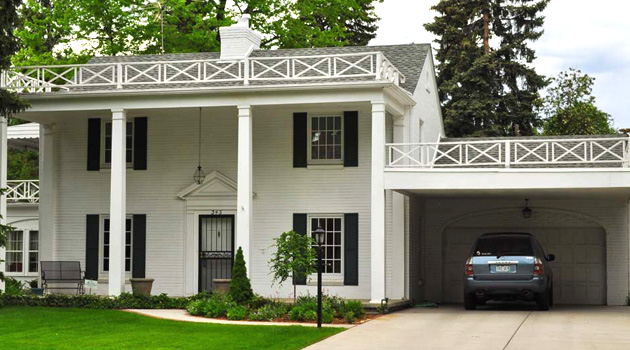
You’ve given careful consideration to nearly every detail of each room in your ideal home. You’ve already picked out the colour for the downstairs bathroom and the foyer light fixture. Every door knob and paint chip has been picked carefully, but have you given any thought to the garage door? If you need high-quality garage storage in Melbourne, get in touch with us.
Your garage door may not be the most vital part of your house, but it is certainly one of the first things that visitors and passers-by will notice. It won’t look right in your house if the design and colour scheme don’t go together, and if the material isn’t high quality, you’ll have to replace it sooner rather than later. So, what are some things to keep in mind when picking a garage door? What are the most important factors to consider when deciding on a colour scheme, a specific design, or a specific material? What you need to know is detailed below.
Making A Difference In A Material World
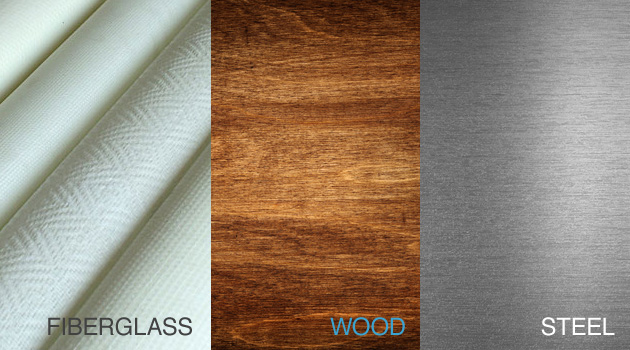
The quality of garage doors varies widely. It’s up to you whether or not the upkeep of your garage door is more labour than you’d want, given the material you choose. For the most part, fibreglass is used. It’s strong and may be shaped to imitate wood’s appearance. People frequently go with fibreglass because to its adaptability. Almost any colour you can imagine is available, and they come in a wide variety of stylish and unusual configurations.
Instead, real wood garage doors are both beautiful and practical. Wooden garage doors, whether made of redwood, cedar, or hemlock, require some attention but look great for many years. Maintaining the greatest possible condition for your door requires that you schedule time to paint or stain it. Steel doors are another viable choice. They provide further protection for your home at a lower cost than fibreglass and wood. The maintenance required is minimal as well.
Multiple Discrete Levels
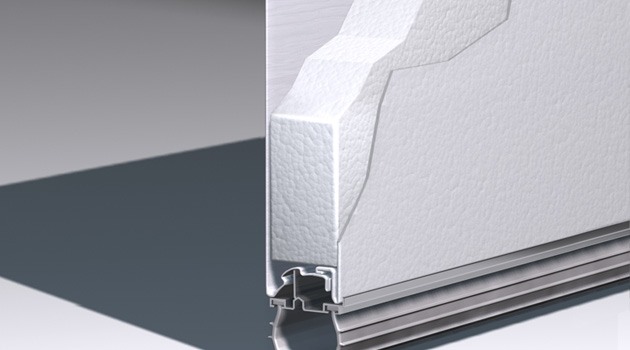
Now that you have a general idea of what components will go into your garage door, you can move on to learning about the various construction methods, often known as layers. Triple layer is the thickest of the three available options. There are good and bad qualities in all three. Most single-layer garage doors are affordable and can be made from wood, fibreglass, or steel. Despite their lack of insulation, these are a fantastic choice for people who need to secure their vehicles in a detached garage or for families. If you need premium garage storage in Sydney, get in touch with us.
To balance the increased security and cost, double-layer doors are a popular option. In addition to the usual black cover, they also feature an additional layer of polystyrene board. This alternative is superior for energy efficiency and soundproofing because it has more insulation. The garage is an ideal place for musicians to rehearse without disturbing the neighbourhood.
Most of the time, a door with three layers is the most secure choice. Triple-layer garage doors, widely regarded as the industry standard, provide an additional layer of insulation in the middle of the material of your choice (wood, fiberglass, steel). If you want the best in energy efficiency, structural stability, and soundproofing, a triple-layer garage door is the way to go, but it also happens to be the priciest.
Why Go To The Effort Of Insulation?
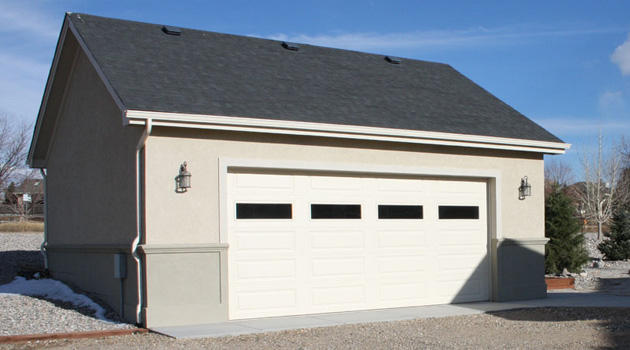
A triple-layer door may be overkill for certain garages, and the extra money spent on insulation may be unnecessary. Think on your most pressing garage-related needs and those that can wait. Providing a secure place to park the autos is frequently the most pressing concern. If your garage will mostly be used for storing items, insulation is definitely unnecessary. People won’t be spending much time outside, unless it’s to get the boxes of holiday decorations.
Yet among your family members there could be a car nut, a musical prodigy, or a master of DIY house repairs. In that scenario, the garage could serve as a place for your band to rehearse or your automobile enthusiast to indulge in a hobby.
Insulation could be the better option for them. Since they will remain there year-round, it is important that the area be able to provide adequate heating for the colder months. The alternative is spending a fortune on heating a garage that quickly cools down. If your garage is not attached to your house, you can skip the insulation unless your want tobe Mick Jagger wants to practise in there at all hours.
It’s All About The Look
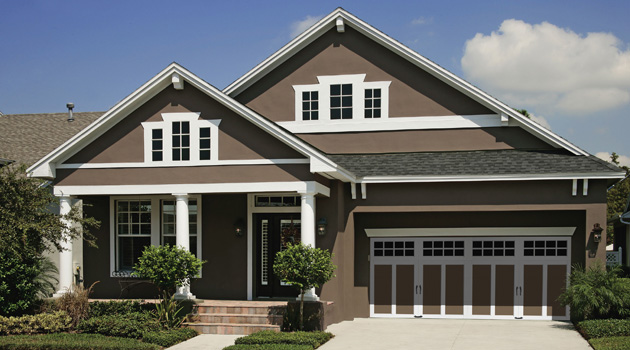
All of the things we’ve spoken about so far are crucial, but you also need to think about your home’s aesthetic. Picking a garage door that doesn’t complement your house can make your property an eyesore. Now more than ever, garage doors may be personalised, giving homeowners a wide range of exciting new choices. The Spanish flavour should be maintained and emphasised in Mission and Mediterranean house designs. Pick a wooden door and adorn it with wrought-iron knobs, handles, and hinges to really bring out the elegance of this design. Homes in the modern day are always on the lookout for inventive lighting solutions. Light from your home’s front windows can be used to highlight its best characteristics, thanks to anodized metal frames with frosted or clear acrylic inserts.
A wooden garage door is a fantastic complement to farmhouses and French rural manors. When stained and coated with a polyurethane coat, they give farmhouses a charming, homey feel. Those in Australia in need of garage storage options should get in touch with us. Garage doors in French country homes are generally painted a different colour from the front entrance. The garage door’s neutral tint helps to highlight this theme while the front door’s bright hue serves as a striking contrast.
It’s not a decision to be made on the spur of the moment when it comes to choosing the right garage door. Present and future applications should be given great consideration. Do you anticipate that your current offspring will be driving age in the next five to six years? They might benefit from a better insulated garage as their interests develop. Perhaps you wish to sell so that you can retire in a few years. There is no need for insulation or any other high-maintenance features. You should use caution while making a garage door purchase. It will serve you well for a while, so you better like it!
In 2005, GarageSmart® pioneered the garage storage category in Australia. Since we’ve built a reputation of providing a premium product along with a friendly and professional service. GarageSmart has the best storage solutions for garage. GarageSmart is the nation’s leader in complete garage fit-outs. We are a privately owned company and we are very proud of that. GarageSmart is a complete “do-it for you” premium garage fit out company.
Conclusion
Get in contact with us if you’re in need of secure garage space in Melbourne. One cannot generalise about garage door quality. You should set aside some time to paint or stain your door to keep it in the best possible condition. Each of the three choices has its advantages and disadvantages. One-layer garage doors are common because of their low cost and versatility (they can be made of wood, fibreglass, or steel).
An extra sheet of polystyrene board is used in the construction of double-layer doors to increase thermal efficiency. The added expense of an insulated triple-layer door may be excessive for certain garages. Garages can become eyesores if you choose a door that doesn’t go with the rest of your home’s design. Garage doors made of wood look great on farmhouses and French country estates. When finished with a stain and polyurethane, they add a warm, welcoming vibe to farmhouses.
Content Summary
- You’ve planned out almost every aspect of your ideal home down to the tiniest of details.
- You have already decided on a hue for the downstairs bathroom and the foyer lamp.
- Get in contact with us if you’re in need of secure garage space in Melbourne.
- If the style and colour scheme don’t match, it won’t look well in your home, and if the material isn’t sturdy, you’ll have to replace it sooner rather than later.
- Improving the Real World One cannot generalise about garage door quality.
- Depending on the material, you may find that maintaining your garage door is more time-consuming than you’d like.
- You should set aside some time to paint or stain your door to keep it in the best possible condition.
- They’re less expensive than materials like fibreglass and wood, plus they add an extra layer of security to your property.
- Minimal upkeep is also necessary.
- Several Separate Tiers
- You may continue on to studying about the various building methods, typically referred to as layers, now that you have a basic understanding of the parts that will make up your garage door.
- One-layer garage doors are common because of their low cost and versatility (they can be made of wood, fibreglass, or steel).
- Get in touch with us if you’re looking for secure garage storage in the Sydney area.
- Double-layer doors are common because they provide an extra layer of protection without breaking the bank.
- Those who play music can practise in the garage without worrying about disturbing the neighbours.
- In most cases, the safest option is a three-layer door.
- Triple-layer garage doors are the gold standard because they add an additional layer of insulation in the centre of your prefered material (wood, fiberglass, steel).
- A triple-layer garage door is the most expensive option, but it offers the most benefits in terms of energy efficiency, structural stability, and soundproofing.
- For some garages, the added expense of a door with three layers of insulation may be overkill.
- Consider what you really must have right away and what can wait in terms of garage necessities.
- In many cases, the most pressing issue is the lack of a safe spot to park the cars.
- Insulation is pointless if your garage will just be used to store things.
- In such a case, the garage may be used by the band as a practise space or by the car fanatic as a place to pursue a passion.
- They might fare better with insulation.
- An alternative would be to spend a tonne of money trying to keep a garage that cools off quickly from the inside.
- While all the topics we’ve covered so far are important, you should also give some thought to how your home looks.
- Garages can become eyesores if you choose a door that doesn’t go with the rest of your home’s design.
- Choose a wooden door and dress it up with wrought-iron hardware to really appreciate its beauty.
- Garage doors made of wood look great on farmhouses and French country estates.
- Contact us if you live in Australia and are looking for garage storage solutions.
- Picking the appropriate garage door is not something you should do on the spur of the moment.
- When shopping for a garage door, it’s important to exercise prudence.
FAQs About Perfect Garage
What Is The Best Type Of Garage Door To Get?
Steel garage doors are the most popular. They are maintenance free, durable and have the lowest cost. They are often available in many colors and styles with tons of window options and are available with many insulation options. Most garage doors sold today are steel.
What Should You Match Your Garage Door To?
Most home decor experts agree that, as a general rule, the garage door should match the front door, especially if they both face the street. Matching doors have a way of tying the exterior together, which enhances the home’s visual presentation.
Should Garage Door Be Lighter Or Darker?
The general rule is to either select a garage door the same color as the dominant color or choose white. A garage door the same color as your house will make the home look bigger and allow visitors to notice other aspects of your home.
What Type Of Garage Door Is Strongest?
Most experts would agree that galvanized steel garage doors are the strongest types of garage doors. These doors offer immense structure strength and minimal maintenance.
What Colour Should Your Garage Door Be?
Top color choices include White, Soft Gray, Black/Dark Gray, Beige/Taupe and Walnut Brown. White – As Sarah mentioned, white is a crisp classic. By far the most popular color for garage doors, a vivid white is sure to add some curb appeal.